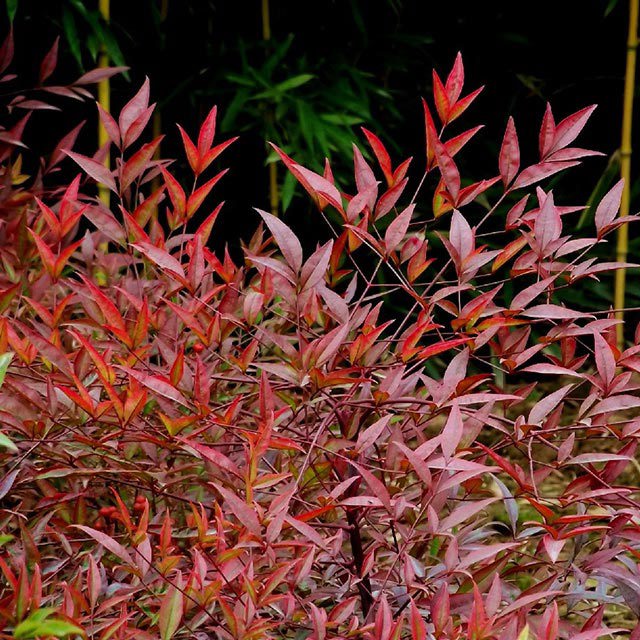
Nandina domestica Sudden Leaf Drop
eco Sudden Leaf Drop

Nandina domestica – Sudden Leaf Drop

Why does your Nandina domestica have sudden leaf drop? Diagnose the cause and fix it with our step-by-step guide.

search Possible Causes

error

Environmental Shock (Temperature/Light Fluctuations)

Nandina is sensitive to rapid changes in temperature or sudden exposure to intense, direct sunlight after being in shade. This stress causes the plant to shed foliage as a defense mechanism to reduce transpiration.

Very Common
lightbulb
How to confirm: Check if there has been a recent heatwave, frost, or if the plant was recently moved to a new location.
build How to fix it
shopping_cart Recommended Products
1 Stabilize the plant's environment by moving it to a location with consistent, filtered light to prevent further sunscald or temperature swings.
2 Monitor soil moisture levels closely during this recovery period to ensure the roots are not drying out or becoming waterlogged during the stress period.
3 Apply a diluted liquid seaweed fertilizer to help the plant recover from physiological stress and promote new growth.
error

Water Stress (Drought or Waterlogging)

While Nandina is relatively drought-tolerant once established, sudden lack of moisture or soil that remains saturated can lead to root suffocation. Both extremes disrupt the hydraulic pressure needed to maintain leaves.

Very Common
lightbulb
How to confirm: Probe the soil deep below the surface to check if it is bone dry or if the roots are sitting in stagnant water.
build How to fix it
shopping_cart Recommended Products
1 Check the soil moisture level at the root zone using a moisture meter to determine if the plant is suffering from drought or waterlogging.
2 If the soil is bone dry, deeply water the plant; if the soil is saturated, ensure the pot has proper drainage or repot into a medium with better aeration using perlite.
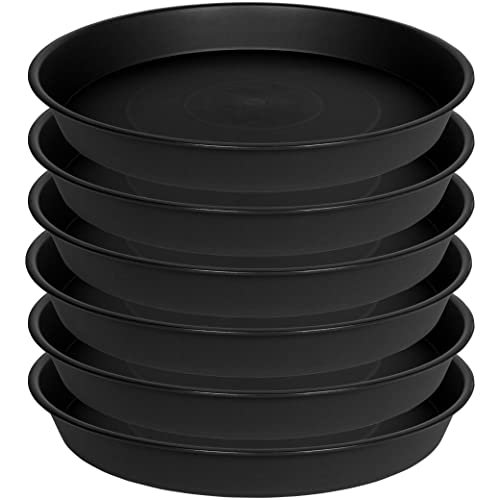
3 To prevent future waterlogging, ensure the plant is in a container with drainage holes and use a saucer to catch excess water without letting the roots sit in it.
warning

Root Rot (Phytophthora spp.)

Poorly draining soil allows fungal pathogens to attack the root system of the Nandina. As roots decay, they can no longer support the foliage, resulting in sudden defoliation.

Common
lightbulb
How to confirm: Gently lift a portion of the plant to see if the roots are black, slimy, or emit a foul odor.
build How to fix it
shopping_cart Recommended Products
1 Immediately inspect the root system for mushy, dark, or foul-smelling roots and prune away any decayed sections using sterilized tools.
2 Repot the plant in a well-draining medium, incorporating perlite or horticultural grit to improve aeration and prevent water pooling.
3 Ensure the plant is in a container with excellent drainage and use a moisture meter to avoid overwatering the soil.
warning

Nutrient Deficiency (Nitrogen)

A lack of available nitrogen prevents the production of chlorophyll and structural proteins. In Nandina, this can manifest as chlorosis followed by the shedding of older leaves.

Common
lightbulb
How to confirm: Observe if the leaf drop is starting specifically on older, lower leaves while displaying yellowing patterns.
build How to fix it
shopping_cart Recommended Products
1 Apply a nitrogen-rich organic fertilizer to restore chlorophyll production and support new foliage growth.
2 Monitor soil moisture levels using a moisture meter to ensure the plant is not experiencing drought stress, which can also cause leaf drop.
3 Mulch the base of the plant with organic matter to improve soil nutrient retention and stabilize root temperatures.

Other Nandina domestica problems

Your plant might also be experiencing one of these issues:

local_hospital All symptoms eco All plants with sudden leaf drop
favorite