Nandina domestica Yellow Leaves
eco Yellow Leaves

Nandina domestica – Yellow Leaves

Why does your Nandina domestica have yellow leaves? Diagnose the cause and fix it with our step-by-step guide.

search Possible Causes

error

Nitrogen Deficiency

Nandina domestica requires consistent nitrogen for chlorophyll production; a lack of this nutrient causes older leaves to turn pale yellow. This is particularly common in sandy soils where nutrients leach quickly.

Very Common
lightbulb
How to confirm: Observe if the yellowing begins on the bottom, oldest leaves while newer growth remains green.
build How to fix it
shopping_cart Recommended Products
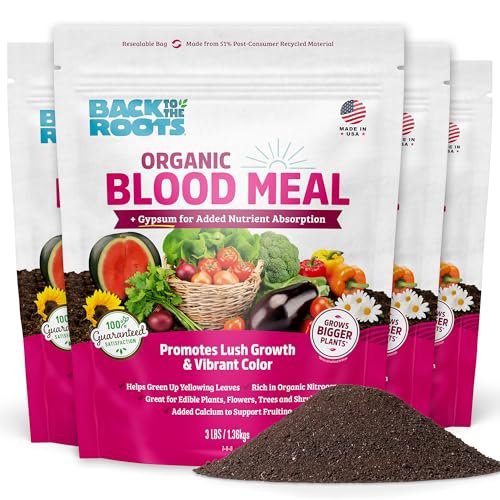
1 Apply a nitrogen-rich organic fertilizer to the soil to restore chlorophyll production and green up the foliage.
2 Incorporate organic matter like worm castings into the soil to improve nutrient retention and prevent future nitrogen leaching.
3 Mulch the base of the plant with organic compost to help stabilize soil nutrients and moisture levels.
error

Overwatering and Root Suffocation

Excessive moisture in heavy clay soils can lead to anaerobic conditions, causing root rot. This prevents the Nandina from transporting water and nutrients upward, resulting in overall yellowing of the foliage.

Very Common
lightbulb
How to confirm: Stick your finger two inches into the soil; if it feels saturated and smells sour, reduce watering frequency.
build How to fix it
shopping_cart Recommended Products
1 Immediately reduce watering frequency and allow the top inch of soil to dry out completely before watering again to prevent further root suffocation.
2 Repot the Nandina into a well-draining medium by mixing in horticultural perlite to improve aeration and prevent anaerobic conditions.
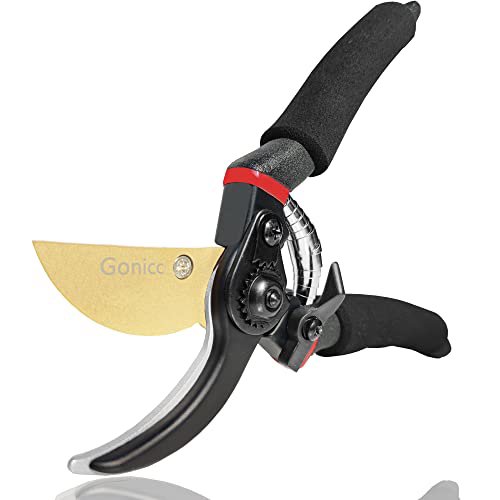
3 Inspect the root system for any mushy, dark, or foul-smelling roots; prune away any rot using sterilized tools to stop the spread of decay.
warning

Iron Chlorosis

In high-pH (alkaline) soils, Nandina cannot effectively absorb iron. This typically presents as interveinal chlorosis, where the leaf tissue turns yellow but the veins remain dark green.

Common
lightbulb
How to confirm: Check if the yellowing pattern follows a distinct vein structure on the leaf surface.
build How to fix it
shopping_cart Recommended Products
1 Lower the soil pH by applying an acidifying amendment to make iron more bioavailable to the roots.
2 Apply a chelated iron supplement or a specialized fertilizer to provide immediate iron uptake.
3 Monitor soil moisture levels using a moisture meter to ensure the plant is not experiencing water stress, which can exacerbate chlorosis symptoms.
warning

Seasonal Acclimation or Temperature Stress

Nandina foliage color changes significantly with temperature; sudden extreme heat or a transition from winter to spring can cause temporary yellowing as the plant adjusts its metabolic rate.

Common
lightbulb
How to confirm: Check if the yellowing coincides with recent extreme weather shifts or seasonal transitions.
build How to fix it
shopping_cart Recommended Products
1 Monitor soil moisture levels closely to ensure the plant is not experiencing drought stress during this temperature transition.
2 Provide consistent watering and avoid extreme temperature fluctuations to help the plant stabilize its metabolic rate.
3 Apply a balanced organic fertilizer to support the plant's recovery and strengthen its resilience against environmental stress.

Other Nandina domestica problems

Your plant might also be experiencing one of these issues:

local_hospital All symptoms eco All plants with yellow leaves
favorite