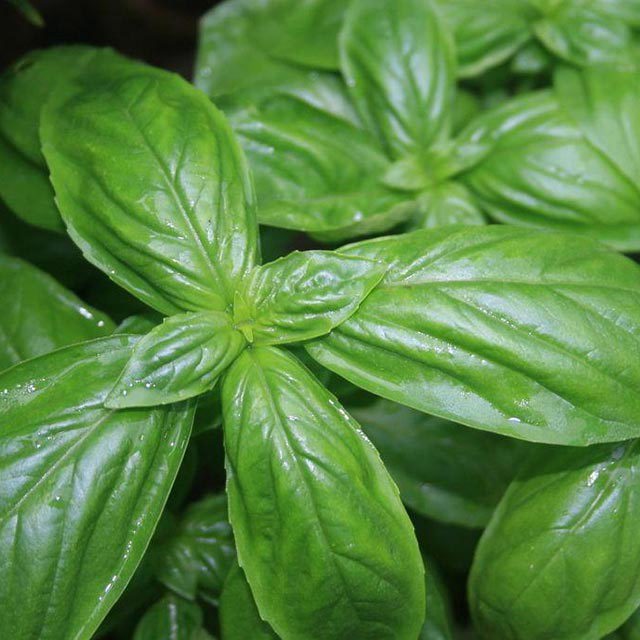
Ocimum basilicum Leggy Stems
eco Leggy Stems

Ocimum basilicum – Leggy Stems

Why does your Ocimum basilicum have leggy stems? Diagnose the cause and fix it with our step-by-step guide.

pets Pet Friendly

search Possible Causes

error

Insufficient Light Exposure

Basil is a heliophyte that requires intense light; when deprived, it undergoes etiolation, stretching stems rapidly to search for a light source. This results in weak, elongated internodes and pale foliage.

Very Common
lightbulb
How to confirm: Observe if the plant is leaning toward a window or if the distance between leaf nodes is significantly larger than usual.
build How to fix it
shopping_cart Recommended Products
1 Move your basil to a location that receives at least 6 to 8 hours of direct sunlight daily to prevent further stretching.
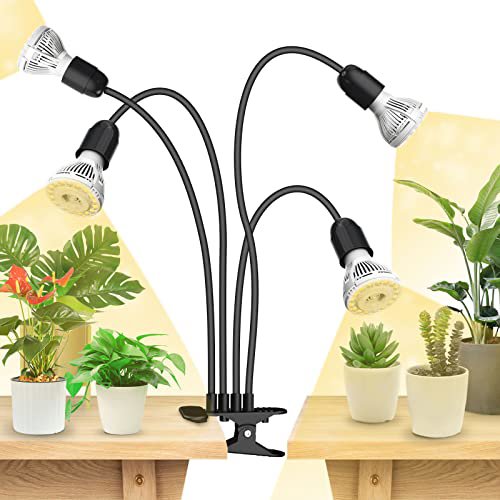
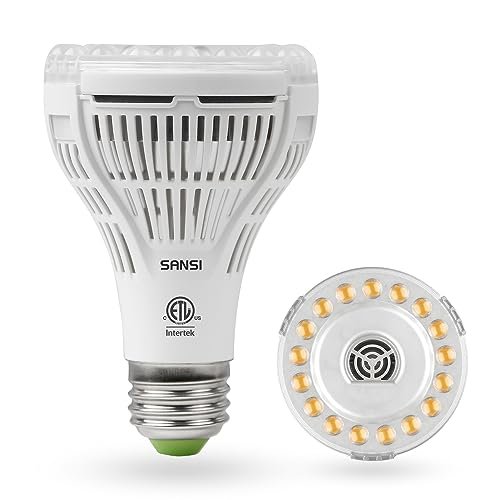
2 Supplement with a full-spectrum grow light to provide the intense light intensity required for basil to develop sturdy, compact stems.
3 Prune the elongated, weak stems back to a node to encourage bushier growth and stronger stem development.
warning

High Nitrogen/Excessive Fertilization

An imbalance of nitrogen-heavy fertilizer can trigger rapid vegetative growth that outpaces the plant's structural development. This creates lush, green, but structurally unstable and 'floppy' stems.

Common
lightbulb
How to confirm: Check if you have recently applied a high-nitrogen liquid fertilizer or urea-based product.
build How to fix it
shopping_cart Recommended Products
1 Stop all nitrogen-heavy fertilization immediately to allow the plant to stabilize its structural growth.
2 Flush the soil with plenty of fresh, room-temperature water to leach out excess mineral salts and nitrogen from the root zone.
3 Prune the leggy stems back to a node to encourage bushier, sturdier growth and improve airflow.
warning

Temperature Fluctuations and Cold Stress

Basil is highly sensitive to cold; sudden drops in temperature can disrupt metabolic processes, causing the plant to prioritize rapid vertical growth over sturdy stem development when warmth returns.

Common
lightbulb
How to confirm: Check for recent exposure to night temperatures below 50°F (10°C) or drafts from air conditioning units.
build How to fix it
shopping_cart Recommended Products
1 Move your basil to a warmer, more stable environment, ideally between 70°F and 80°F, to prevent further metabolic disruption.
2 Provide supplemental warmth and consistent light using a grow light to encourage sturdier, more compact growth.
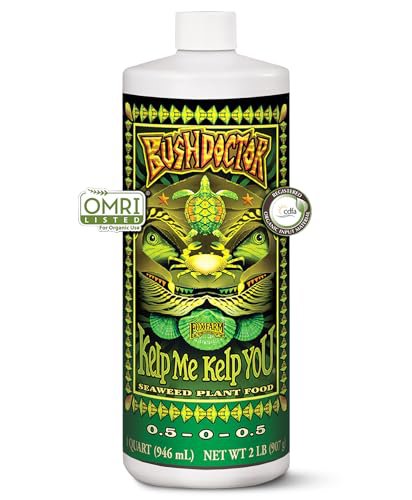
3 Apply a liquid seaweed fertilizer to help the plant recover from environmental stress and boost nutrient uptake.

Other Ocimum basilicum problems

Your plant might also be experiencing one of these issues:

local_hospital All symptoms eco All plants with leggy stems
favorite