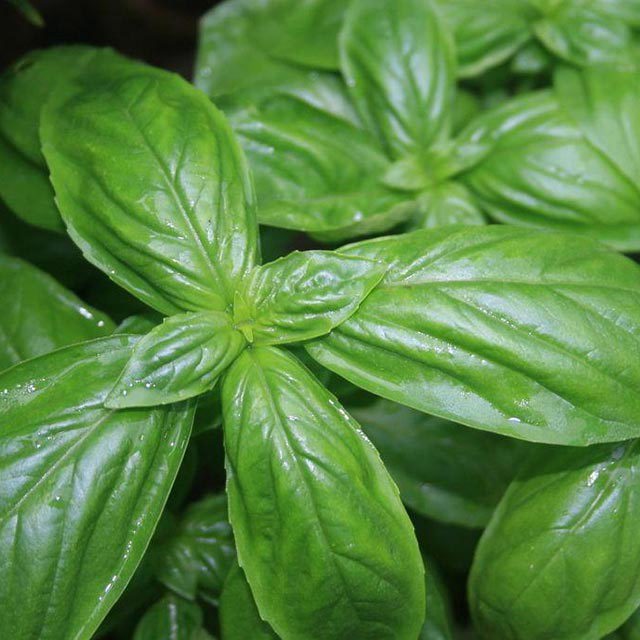
Ocimum basilicum Yellow Leaves
eco Yellow Leaves

Ocimum basilicum – Yellow Leaves

Why does your Ocimum basilicum have yellow leaves? Diagnose the cause and fix it with our step-by-step guide.

pets Pet Friendly

search Possible Causes

error

Overwatering and Poor Drainage

Basil is highly susceptible to root suffocation; excessive moisture prevents oxygen from reaching the roots, leading to nitrogen immobilization and chlorosis. This typically manifests as lower leaves turning yellow first.

Very Common
lightbulb
How to confirm: Stick your finger two inches into the soil to see if it remains saturated even when the top layer feels dry.
build How to fix it
shopping_cart Recommended Products
1 Immediately reduce watering frequency and allow the top inch of soil to dry out completely before watering again.
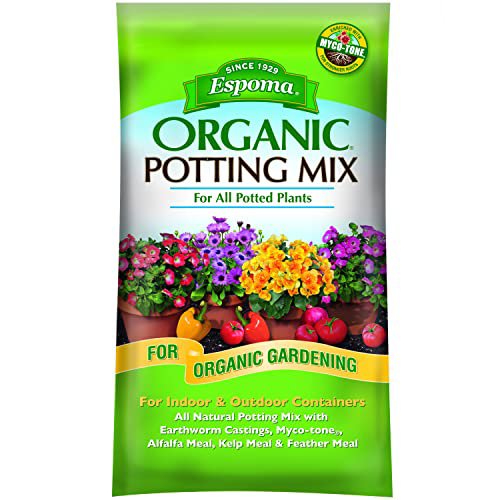
2 Repot the basil in a well-draining medium and ensure the container has adequate drainage holes to prevent water pooling.
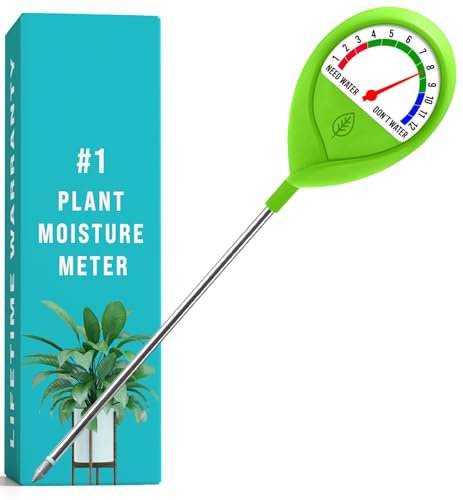
3 Check the drainage efficiency by using a moisture meter to ensure the root zone is not remaining saturated for extended periods.
error

Nitrogen Deficiency

Basil has a high demand for nitrogen to produce its characteristic lush green foliage. A lack of available nitrogen causes older leaves to lose chlorophyll and turn uniformly yellow.

Very Common
lightbulb
How to confirm: Check if the yellowing is progressing from the bottom of the plant upwards and consider applying a balanced liquid fertilizer.
build How to fix it
shopping_cart Recommended Products
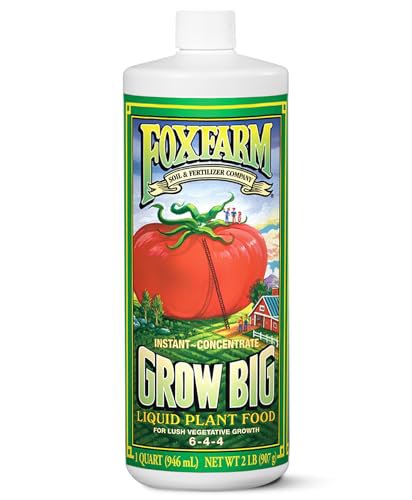
1 Apply a nitrogen-rich liquid fertilizer to provide immediate nutrient uptake for the basil foliage.
2 Supplement the soil with an organic nitrogen source like worm castings to ensure long-term nutrient availability.
3 Monitor soil moisture levels with a meter to ensure nitrogen is being effectively transported to the roots without causing waterlogging.
warning

Downy Mildew (Peronospora belbahrii)

This specific pathogen attacks basil leaves, causing angular yellow patches on the upper surface often accompanied by greyish fungal growth on the undersides. It thrives in high humidity and cool temperatures.

Common
lightbulb
How to confirm: Inspect the underside of the yellowing leaves for a fuzzy, greyish-purple mold or spore mass.
build How to fix it
shopping_cart Recommended Products
1 Remove and destroy all heavily infected leaves immediately to prevent the spread of fungal spores to healthy foliage.
2 Apply an organic fungicide to control the pathogen and protect remaining healthy leaves.
3 Improve air circulation and reduce humidity around the plant by spacing it out and avoiding overhead watering.
warning

Light Deprivation

Basil is a heliophyte that requires significant sunlight (6-8 hours) to maintain chlorophyll production. Insufficient light causes the plant to struggle with photosynthesis, leading to pale, yellowish foliage.

Common
lightbulb
How to confirm: Observe if the stems are becoming 'leggy' or stretched out alongside the yellowing leaves.
build How to fix it
shopping_cart Recommended Products
1 Relocate your basil to a spot that receives at least 6 to 8 hours of direct sunlight daily to restore chlorophyll production.
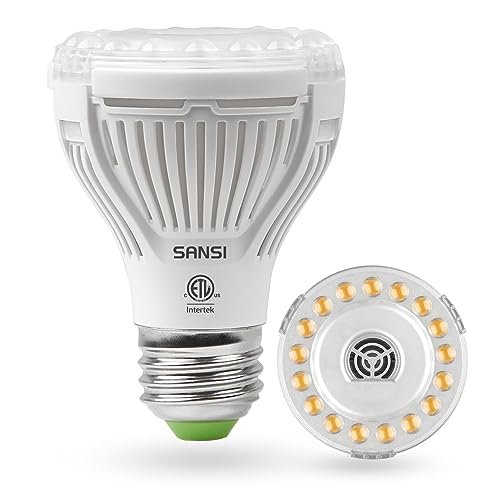
2 Supplement insufficient natural light with a full-spectrum grow light to ensure the plant can complete photosynthesis.
3 Monitor the soil moisture levels closely, as plants in lower light environments require less frequent watering to prevent root rot.

Other Ocimum basilicum problems

Your plant might also be experiencing one of these issues:

local_hospital All symptoms eco All plants with yellow leaves
favorite