Onion Boreas F1 Drooping Leaves
eco Drooping Leaves

Onion Boreas F1 – Drooping Leaves

Why does your Onion Boreas F1 have drooping leaves? Diagnose the cause and fix it with our step-by-step guide.

search Possible Causes

error

Water Stress (Drought or Waterlogging)

Onions require consistent moisture to develop large bulbs; lack of water causes turgor loss in the leaves, while waterlogged soil suffocates roots and triggers wilting. For Boreas F1, even brief periods of extreme dry/wet cycles can cause rapid leaf drooping.

Very Common
lightbulb
How to confirm: Check the soil moisture 2 inches below the surface; if it is bone dry or muddy, adjust your irrigation schedule.
build How to fix it
shopping_cart Recommended Products
1 Check the soil moisture level immediately using a moisture meter to determine if the soil is bone dry or saturated.
2 If the soil is dry, apply water deeply and evenly to the base of the plant; if waterlogged, improve drainage by adding perlite or horticultural grit to the soil.
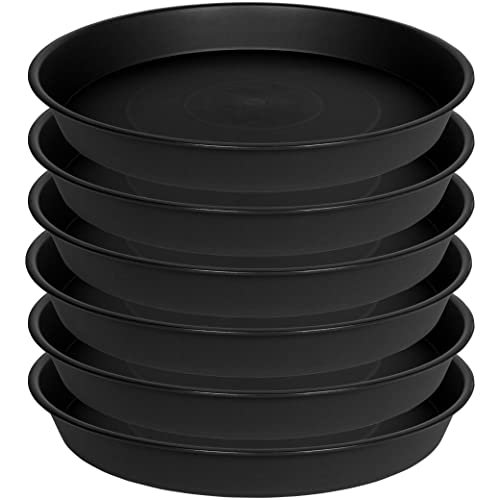
3 Ensure the plant is in a container with proper drainage holes and use a saucer to prevent water from pooling around the roots.
warning

Leek Mottled Dwarf Virus (LMDV)

This virus causes stunted growth and characteristic drooping or curling of the leaves. In hybrid varieties like Boreas F1, symptoms often manifest as uneven leaf development and a loss of structural integrity in the foliage.

Common
lightbulb
How to confirm: Look for irregular light green/yellow mottling patterns on the leaves alongside the drooping.
build How to fix it
shopping_cart Recommended Products
1 Remove and destroy all infected onion plants immediately to prevent the virus from spreading to healthy crops via insects or tools.
2 Implement strict sanitation by disinfecting all gardening tools with a bleach solution or alcohol to stop mechanical transmission.
3 Apply a high-quality organic fertilizer to strengthen the immune response of remaining healthy plants.
warning

Nutrient Deficiency (Nitrogen)

Nitrogen is critical for the lush, upright leaf growth characteristic of Alliums. A deficiency prevents cells from maintaining structural strength, leading to pale, limp, and drooping foliage.

Common
lightbulb
How to confirm: Observe if the older, lower leaves are turning pale yellow before the drooping progresses to the tips.
build How to fix it
shopping_cart Recommended Products
1 Apply a nitrogen-rich organic fertilizer to boost foliage strength and greening.
2 Supplement with a liquid seaweed fertilizer to improve nutrient uptake and overall plant vigor.
3 Monitor soil moisture levels to ensure nitrogen is being delivered effectively to the roots without causing rot.
warning

Allium Leaf Miner (Delia scripta)

Larvae of the onion maggot tunnel through the leaf tissue, destroying the vascular system that supports the leaves. This physical damage interrupts water transport, causing specific sections of the leaf to collapse and droop.

Common
lightbulb
How to confirm: Carefully slice a drooping leaf lengthwise to check for small tunnels or larvae inside the tissue.
build How to fix it
shopping_cart Recommended Products
1 Inspect the base of the onion plants for small larvae or tunnels within the leaf tissue; if found, remove and destroy the affected plant parts immediately to prevent spread.
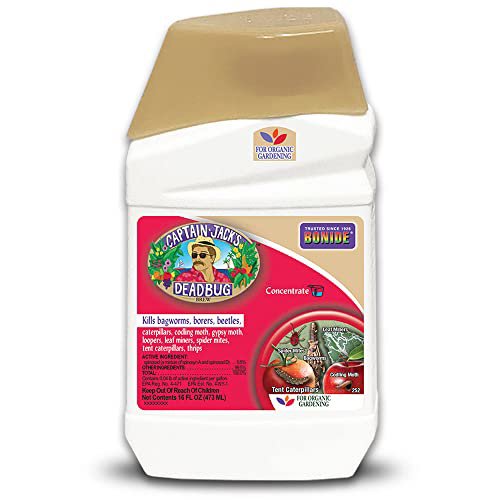
2 Apply an organic insecticide to the soil and plant base to target larvae and prevent new adults from laying eggs.
3 Ensure the soil remains well-aerated and use a moisture meter to prevent overwatering, which can exacerbate plant stress and rot.

Other Onion Boreas F1 problems

Your plant might also be experiencing one of these issues:

local_hospital All symptoms eco All plants with drooping leaves
favorite