Onion Boreas F1 Leggy Stems
eco Leggy Stems

Onion Boreas F1 – Leggy Stems

Why does your Onion Boreas F1 have leggy stems? Diagnose the cause and fix it with our step-by-step guide.

search Possible Causes

error

Insufficient Light Exposure

Onion seedlings require high light intensity to maintain structural integrity. When light is low, the plant undergoes etiolation, stretching its stems excessively to search for a light source, resulting in weak, spindly growth.

Very Common
lightbulb
How to confirm: Observe if the seedlings are leaning toward a window or if the stems appear pale and elongated compared to previous batches.
build How to fix it
shopping_cart Recommended Products
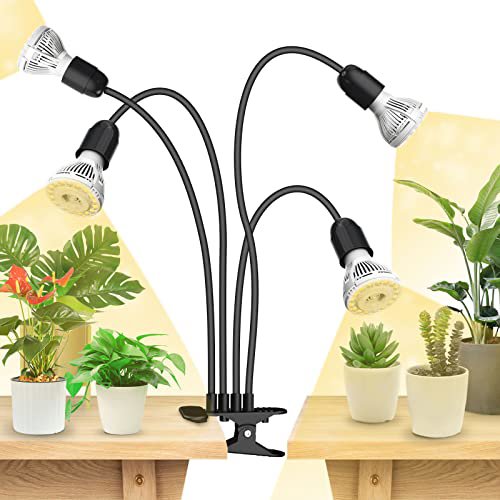
1 Increase light intensity immediately by placing seedlings under a full-spectrum grow light to stop further stretching.
2 Ensure the light source is positioned close enough to the plants to provide high-intensity illumination without causing heat stress.
3 Gently firm the soil around the base of the stems to provide more structural support to the weakened plants.
warning

Excessive Nitrogen Availability

High levels of nitrogen in the growing medium can stimulate rapid, succulent vegetative growth. In Boreas onions, this leads to soft, oversized leaves that lack the cellular strength to support their own weight.

Common
lightbulb
How to confirm: Check if you have recently applied a high-nitrogen fertilizer or if the potting soil is exceptionally rich in organic compost.
build How to fix it
shopping_cart Recommended Products
1 Reduce nitrogen-heavy fertilization immediately to prevent further succulent, weak growth.
2 Flush the growing medium with plain water to leach out excess nitrogen salts from the root zone.
3 Monitor soil nutrient levels using a moisture and nutrient meter to ensure a more balanced application of minerals.
warning

High Humidity and Low Air Circulation

Excessive moisture in the microclimate around the onion crown can cause the plant cells to expand rapidly without sufficient transpiration. This results in 'soft' growth that lacks the rigidity needed for upright stems.

Common
lightbulb
How to confirm: Check if the air around your onion tray feels stagnant or if there is visible condensation on nearby surfaces.
build How to fix it
shopping_cart Recommended Products
1 Improve air circulation around the onion crowns by using a small fan or spacing plants further apart to reduce moisture buildup.
2 Monitor the microclimate moisture levels using a hygrometer to ensure humidity does not remain excessively high around the plant base.
3 Ensure the growing medium has adequate drainage to prevent the soil from staying saturated, which contributes to soft, leggy growth.
warning

Overwatering

Constant saturation of the root zone limits oxygen availability, causing roots to struggle. The plant may produce weak, watery stems as it fails to establish a robust foundation for nutrient transport.

Common
lightbulb
How to confirm: Press your finger into the soil to see if it remains damp several centimeters below the surface for extended periods.
build How to fix it
shopping_cart Recommended Products
1 Reduce watering frequency and allow the top inch of soil to dry out completely before watering again to prevent root suffocation.
2 Improve soil aeration by mixing in horticultural perlite to enhance drainage and oxygen availability in the root zone.
3 Ensure the plant is in a container with adequate drainage holes to prevent water from pooling at the base.

Other Onion Boreas F1 problems

Your plant might also be experiencing one of these issues:

local_hospital All symptoms eco All plants with leggy stems
favorite