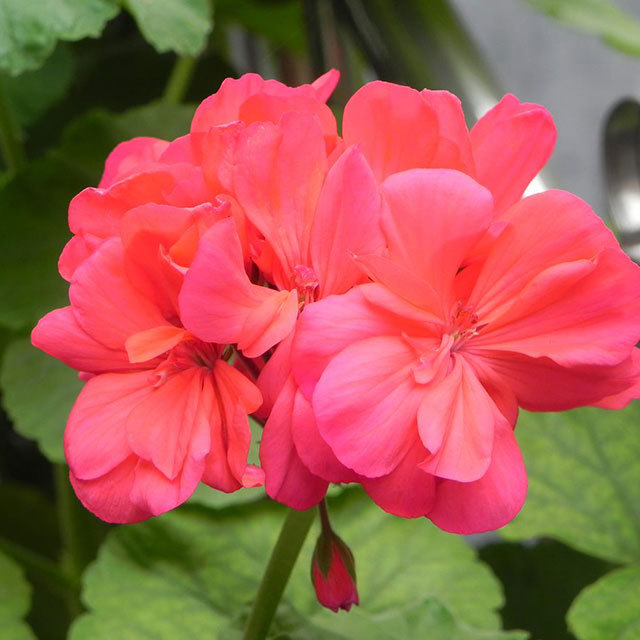
Pelargonium × hortorum Bailey Tiny Black Flies
eco Tiny Black Flies

Pelargonium × hortorum Bailey – Tiny Black Flies

Why does your Pelargonium × hortorum Bailey have tiny black flies? Diagnose the cause and fix it with our step-by-step guide.

search Possible Causes

error

Fungus Gnats (Sciaridae)

The most common cause of tiny black flies around Geraniums, where adults are attracted to moisture and larvae feed on decaying organic matter and fine root hairs in overly damp soil.

Very Common
lightbulb
How to confirm: Place a yellow sticky trap near the plant surface to see if small winged insects are captured.
build How to fix it
shopping_cart Recommended Products
1 Deploy yellow sticky traps to capture adult flies and prevent further reproduction cycles.
2 Reduce watering frequency and allow the top inch of soil to dry out completely to disrupt the larvae's moist habitat.
3 Improve soil aeration by mixing in horticultural perlite to prevent the organic matter buildup that attracts gnats.
error

Soil Moisture Imbalance (Overwatering)

While not a direct cause of flies, consistently wet soil in Zonal Geraniums creates the ideal breeding ground for fungus gnat larvae and promotes fungal pathogens.

Very Common
lightbulb
How to confirm: Stick your finger two inches into the soil to check if it remains saturated even when the top layer feels dry.
build How to fix it
shopping_cart Recommended Products
1 Reduce watering frequency to allow the top inch of soil to dry out completely, disrupting the fungus gnat breeding cycle.
2 Apply yellow sticky traps near the soil surface to capture adult flies and prevent further reproduction.
3 Repot the plant in a well-draining medium amended with perlite to improve aeration and prevent future waterlogging.
warning

Black Bean Aphids (Aphis fabae)

Though usually found on foliage, certain aphid species can appear as small dark moving specks that may be mistaken for flies if they are congregating near new growth.

Common
lightbulb
How to confirm: Inspect the underside of the leaves and new buds for tiny, dark, sedentary insects that move slowly when disturbed.
build How to fix it
shopping_cart Recommended Products
1 Apply an organic insecticide spray to the foliage to eliminate the aphid population and protect new growth.
2 Use yellow sticky traps near the plant to capture any flying adults and monitor the severity of the infestation.
3 Inspect the undersides of leaves and new buds for clusters of dark specks, and prune away heavily infested stems to prevent spreading.

Other Pelargonium × hortorum Bailey problems

Your plant might also be experiencing one of these issues:

local_hospital All symptoms eco All plants with tiny black flies
favorite



