Petunia Opera Supreme F1 Lavender Leggy Stems
eco Leggy Stems

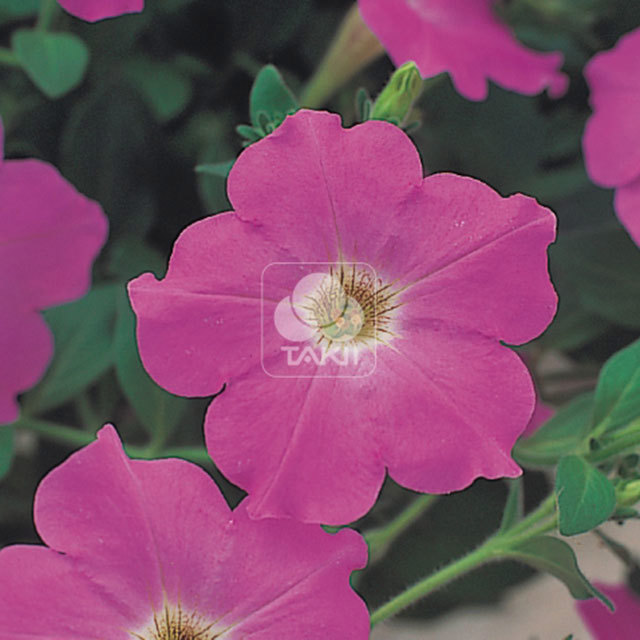
Petunia Opera Supreme F1 Lavender – Leggy Stems

Why does your Petunia Opera Supreme F1 Lavender have leggy stems? Diagnose the cause and fix it with our step-by-step guide.

pets Pet Friendly

search Possible Causes

error

Insufficient Light Intensity

Petunias in the Opera Supreme series are high-energy hybrids that require full sun (6+ hours) to maintain compact growth. Low light levels cause etiolation, where the plant stretches its stems toward the nearest light source to maximize photosynthesis.

Very Common
lightbulb
How to confirm: Observe if the plant is leaning toward a window or if new growth appears pale and elongated compared to older foliage.
build How to fix it
shopping_cart Recommended Products
1 Move your Petunia to a location that receives at least 6 to 8 hours of direct sunlight daily to prevent further stretching.
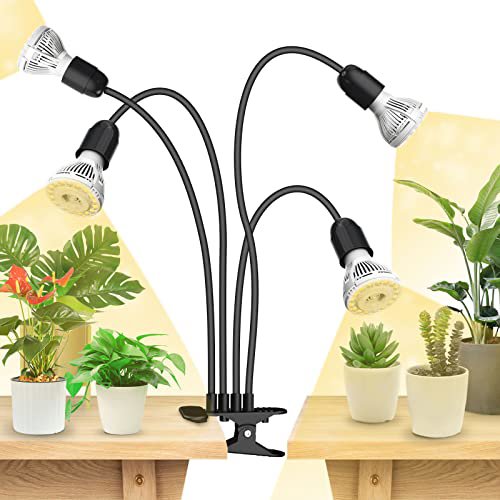
2 Supplement with a full-spectrum grow light to provide the high-intensity light necessary for compact, bushy growth.
3 Prune the elongated, leggy stems back to encourage new, denser growth from the base of the plant.
error

Excessive Nitrogen Fertilization

High levels of nitrogen in your fertilizer promote rapid vegetative leaf and stem growth at the expense of structural integrity and flower production. This results in soft, 'floppy' stems that lack the strength to support their own weight.

Very Common
lightbulb
How to confirm: Check your fertilizer label for a high first number (N) and look for lush, dark green foliage with fewer blooms.
build How to fix it
shopping_cart Recommended Products
1 Flush the soil with plenty of fresh, plain water to leach out excess nitrogen salts from the root zone.
2 Prune back the long, leggy stems to encourage bushier growth and more compact structural development.
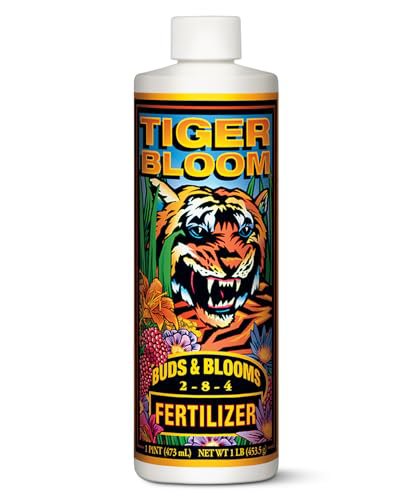
3 Switch to a fertilizer with a higher phosphorus content to support stronger stems and flower production.
warning

Overwatering and Poor Drainage

Consistent moisture in the substrate without adequate oxygen can lead to weakened cell walls. While not full rot yet, the lack of oxygen to the roots prevents the plant from developing the robust root system needed to support dense Supertunia growth.

Common
lightbulb
How to confirm: Stick your finger two inches into the soil; if it feels saturated even though the surface is dry, drainage is likely an issue.
build How to fix it
shopping_cart Recommended Products
1 Check the soil moisture levels immediately using a moisture meter to ensure the substrate is not staying saturated for too long.
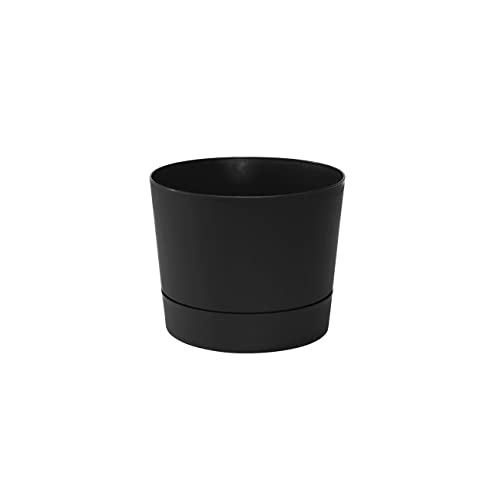
2 Repot the plant into a container with superior drainage and refresh the medium with a well-aerated mix containing perlite to improve oxygen flow to the roots.
3 Ensure the plant is placed in a location with adequate sunlight to help strengthen the stems and prevent further stretching.
warning

High Planting Density

If multiple Opera Supreme plants are crowded in a single container, competition for light and airflow causes stems to stretch outward to find space. This lack of physical space prevents the characteristic mounded habit of the F1 hybrid.

Common
lightbulb
How to confirm: Count the number of plants in your pot and ensure they have enough room to expand without overlapping significantly.
build How to fix it
shopping_cart Recommended Products
1 Thin out the plants or transplant individual specimens into larger, individual containers to reduce competition for space and light.
2 Provide supplemental lighting using a full-spectrum grow light to prevent stems from stretching toward light sources.
3 Prune back the elongated stems to encourage a bushier, more compact growth habit.

Other Petunia Opera Supreme F1 Lavender problems

Your plant might also be experiencing one of these issues:

local_hospital All symptoms eco All plants with leggy stems
favorite