Petunia Opera Supreme F1 Lavender Yellow Leaves
eco Yellow Leaves

Petunia Opera Supreme F1 Lavender – Yellow Leaves

Why does your Petunia Opera Supreme F1 Lavender have yellow leaves? Diagnose the cause and fix it with our step-by-step guide.

pets Pet Friendly

search Possible Causes

error

Nitrogen Deficiency

As heavy-blooming annuals, Petunias in the Opera Supreme series have high nutrient demands. A lack of nitrogen causes older leaves to lose chlorophyll and turn yellow, starting from the bottom of the plant.

Very Common
lightbulb
How to confirm: Check if the yellowing is progressing from the bottom of the stems upward towards the new growth.
build How to fix it
shopping_cart Recommended Products
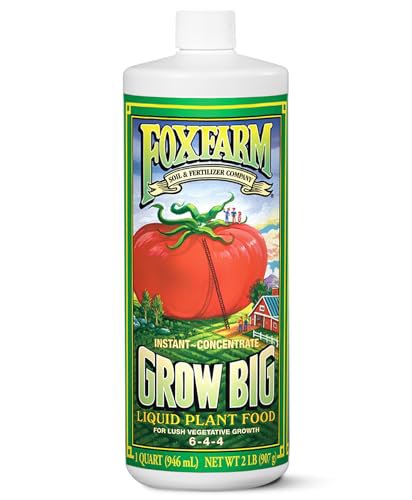
1 Apply a nitrogen-rich liquid fertilizer to provide immediate nutrient uptake for the heavy-blooming flowers.
2 Incorporate an organic soil amendment like worm castings into the top layer of soil to provide a slow-release source of nitrogen.
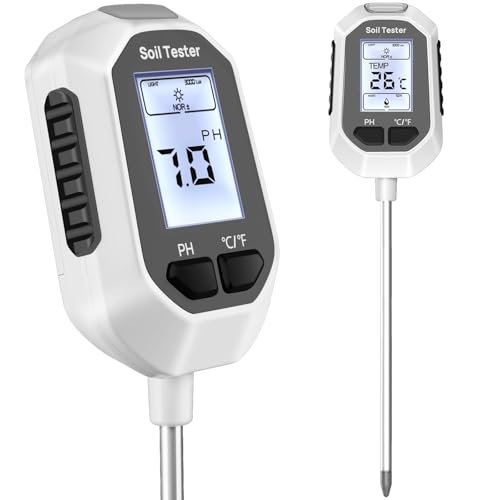
3 Monitor soil moisture levels with a meter to ensure the nitrogen is being effectively transported to the roots without causing waterlogging.
error

Overwatering and Root Hypoxia

Petunias require well-draining media; keeping the soil saturated prevents oxygen from reaching the roots, leading to chlorosis and eventual root rot. This is common in container-grown Supertunias during humid periods.

Very Common
lightbulb
How to confirm: Stick your finger two inches into the soil to see if it remains saturated even when the top layer feels dry.
build How to fix it
shopping_cart Recommended Products
1 Immediately stop watering and allow the soil to dry out significantly before the next application. Use a moisture meter to monitor the soil depth and ensure the root zone is not staying saturated.
2 Repot the plant into a container with superior drainage and refresh the medium with a highly aerated, well-draining mix containing perlite to prevent future hypoxia.
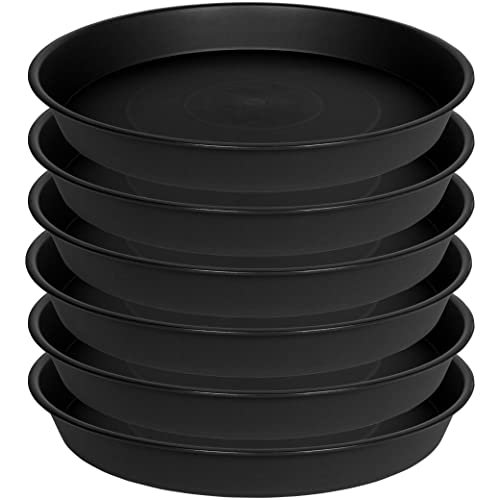
3 Ensure the plant is in a pot with adequate drainage holes and use a saucer to catch excess water, but never let the pot sit in standing water.
warning

Iron Chlorosis (pH Imbalance)

If the potting medium becomes too alkaline, iron becomes chemically unavailable to the plant. This results in interveinal chlorosis, where leaves turn yellow but the veins remain distinctively green.

Common
lightbulb
How to confirm: Look closely at the yellowing leaves to see if a dark green vein pattern is still visible against the yellow tissue.
build How to fix it
shopping_cart Recommended Products
1 Test your soil pH to confirm alkalinity; for Petunias, aim for a slightly acidic range of 5.5 to 6.5 to ensure iron availability.
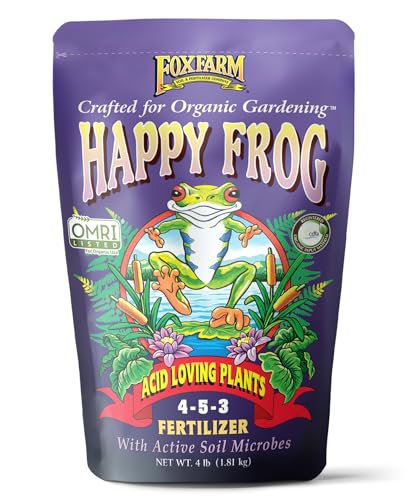
2 Apply an acidifying soil amendment or a specialized fertilizer to lower the pH and unlock trapped nutrients.
3 Repot the plant in a fresh, high-quality potting mix to reset the nutrient and pH environment.
warning

Temperature Stress

Extreme heat or sudden cold snaps can disrupt the metabolic processes in Petunias, causing the plant to shed older leaves as a survival mechanism. This often manifests as rapid yellowing of foliage during mid-summer heatwaves.

Common
lightbulb
How to confirm: Observe if the yellowing coincided with a recent period of temperatures exceeding 90°F (32°C) or a sudden frost.
build How to fix it
shopping_cart Recommended Products
1 Relocate the plant to a more stable environment, such as a shaded area or a spot protected from extreme heat waves and sudden cold snaps, to stabilize metabolic processes.
2 Monitor soil moisture levels closely during temperature fluctuations using a moisture meter to ensure the plant is not experiencing secondary drought stress.
3 Apply a balanced liquid fertilizer to help the plant recover from metabolic disruption and support new foliage growth.

Other Petunia Opera Supreme F1 Lavender problems

Your plant might also be experiencing one of these issues:

local_hospital All symptoms eco All plants with yellow leaves
favorite