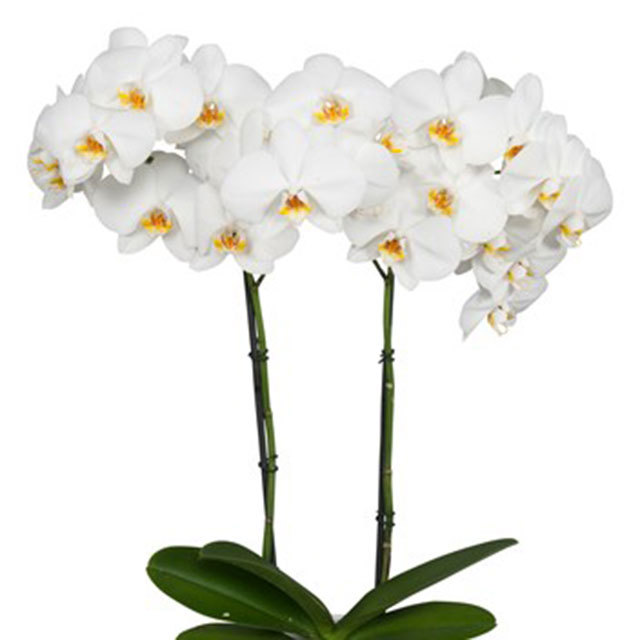
Phalaenopsis Aberdeen Sudden Leaf Drop
eco Sudden Leaf Drop

Phalaenopsis Aberdeen – Sudden Leaf Drop

Why does your Phalaenopsis Aberdeen have sudden leaf drop? Diagnose the cause and fix it with our step-by-step guide.

search Possible Causes

error

Root Rot due to Overwatering

Excessive moisture in the orchid medium suffocates the roots, preventing oxygen exchange and leading to systemic failure. For Phalaenopsis, this often manifests as sudden leaf senescence or dropping as the plant can no longer transport water.

Very Common
lightbulb
How to confirm: Gently lift the plant from its pot to check if the roots are mushy, black, or brown instead of firm and green/silver.
build How to fix it
shopping_cart Recommended Products
1 Immediately remove the orchid from its current medium and inspect the roots; discard any mushy, black, or smelly roots, and trim healthy-looking roots with sterilized shears.
2 Repot the orchid in a fresh, highly aerated medium specifically designed for epiphytes to ensure proper drainage and oxygen flow to the remaining roots.
3 Use a moisture meter to monitor the substrate closely, ensuring you only water when the medium is nearly dry to prevent a recurrence of overwatering.
error

Temperature Shock

Phalaenopsis orchids are tropical plants that are highly sensitive to sudden drops in temperature or drafts. Exposure to temperatures below 55°F (13°C) can trigger a stress response resulting in rapid leaf loss.

Very Common
lightbulb
How to confirm: Check if the plant is located near an air conditioning vent, a drafty window, or experienced a recent cold snap.
build How to fix it
shopping_cart Recommended Products
1 Immediately move the orchid to a stable, warm environment away from cold drafts, windows, or air conditioning vents to stabilize the temperature.
2 Maintain a consistent temperature between 65°F and 80°F to prevent further stress and allow the plant to recover.
3 Check the moisture levels of the substrate to ensure the roots haven't been compromised by the cold; use a moisture meter to avoid overwatering during this recovery phase.
warning

Extreme Dehydration

If the orchid medium has become completely desiccated and hard, the roots may have shriveled. This lack of moisture forces the plant to drop older leaves to conserve water for the remaining meristem.

Common
lightbulb
How to confirm: Check if the orchid medium is pulling away from the sides of the pot and if the roots appear shrunken and grey.
build How to fix it
shopping_cart Recommended Products
1 Rehydrate the orchid by soaking the pot in water for 15-30 minutes, ensuring the medium is fully saturated and no longer hard or desiccated.
2 Monitor the moisture levels of the medium closely using a moisture meter to prevent future extreme dehydration cycles.
3 Repot the orchid in fresh, airy medium like orchid bark to ensure proper water retention and root aeration.
warning

Pest Infestation (Scale or Mealybugs)

Heavy infestations of sap-sucking insects like scale or mealybugs drain the plant's energy reserves. Severe feeding damage can disrupt the hormonal balance, causing the orchid to shed leaves.

Common
lightbulb
How to confirm: Inspect the underside of the leaves and the leaf axils for small, waxy white bumps or hard brown scales.
build How to fix it
shopping_cart Recommended Products
1 Treat the orchid with an organic insecticide to eliminate scale or mealybug populations and prevent further energy loss.
2 Inspect the undersides of leaves and crevices for pests, and manually remove visible insects using a cotton swab dipped in alcohol.
3 Repot the orchid in a fresh, well-draining medium like orchid bark to remove any pests hiding in the substrate.

Other Phalaenopsis Aberdeen problems

Your plant might also be experiencing one of these issues:

local_hospital All symptoms eco All plants with sudden leaf drop
favorite