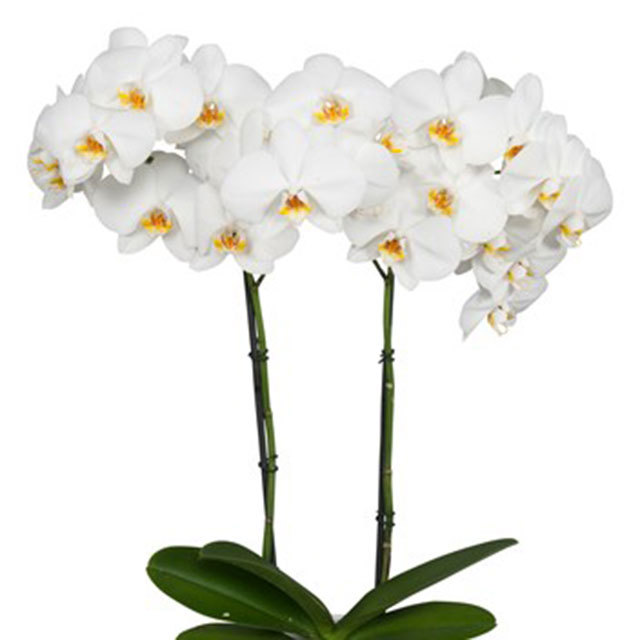
Phalaenopsis Aberdeen Tiny Black Flies
eco Tiny Black Flies

Phalaenopsis Aberdeen – Tiny Black Flies

Why does your Phalaenopsis Aberdeen have tiny black flies? Diagnose the cause and fix it with our step-by-step guide.

search Possible Causes

error

Fungus Gnats (Sciarid Fly)

The tiny black flies are likely Fungus Gnats, whose larvae thrive in the moist organic matter of orchid bark. They feed on decaying roots and fungi, often appearing when the Phalaenopsis substrate remains too wet for too long.

Very Common
lightbulb
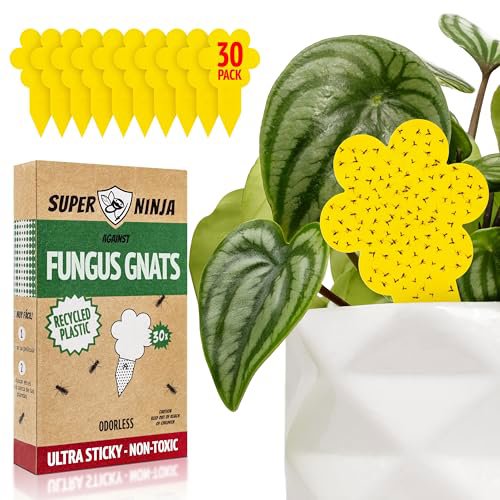
How to confirm: Set a yellow sticky trap near the orchid pot to confirm the presence of flying adults.
build How to fix it
shopping_cart Recommended Products
1 Apply a biological control method to eliminate adult flies and larvae. Use yellow sticky traps to capture flying adults and reduce the breeding population.
2 Reduce watering frequency and allow the orchid substrate to dry out more between waterings to disrupt the larvae's moist habitat.
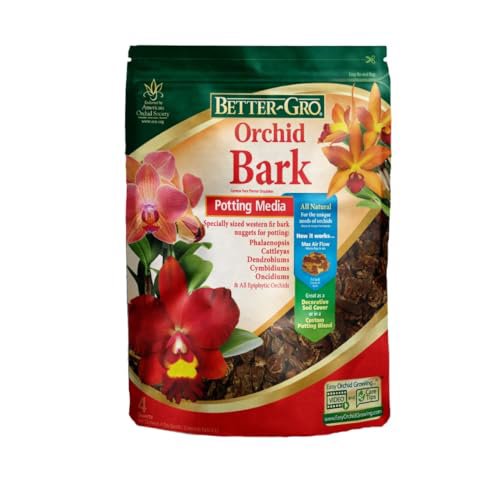
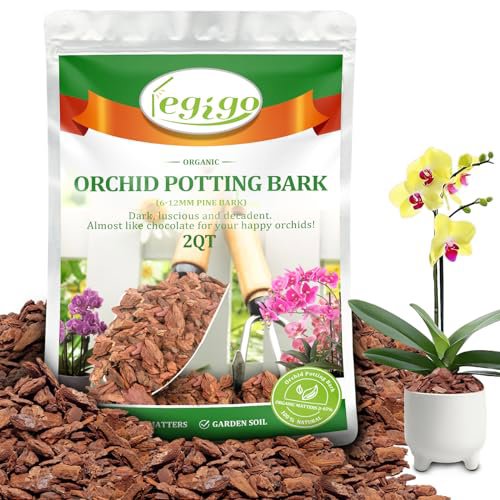
3 Refresh the orchid's growing medium with fresh, well-draining bark to remove the decaying organic matter that serves as a food source for the larvae.
error

Excessive Substrate Moisture

High levels of moisture in the bark or sphagnum moss create the perfect breeding ground for pests. For a Phalaenopsis, this prevents the roots from 'breathing,' leading to stagnant water that attracts flies.

Very Common
lightbulb
How to confirm: Stick your finger deep into the medium to see if it stays damp for more than a week.
build How to fix it
shopping_cart Recommended Products
1 Reduce watering frequency and allow the substrate to dry out significantly to disrupt the fungus gnat breeding cycle.
2 Apply a biological control like Neem Oil or a specialized spray to eliminate adult flies and larvae.
3 Repot the orchid in fresh, well-draining medium such as orchid bark to ensure proper aeration and eliminate existing larvae in the old substrate.
warning

Decomposing Organic Matter

As orchid bark breaks down over time, it turns into a fine, nutrient-rich compost that attracts flies. Old potting media becomes much more prone to infestations than fresh, chunky bark.

Common
lightbulb
How to confirm: Check if the orchid medium looks muddy or dark compared to when you first planted it.
build How to fix it
shopping_cart Recommended Products
1 Remove the orchid from its current pot and discard all old, decomposing bark to eliminate the breeding ground for the flies.
2 Repot the orchid in fresh, chunky orchid bark to provide a clean, well-draining environment that does not attract pests.
3 Set up yellow sticky traps near the plant to capture and remove any remaining adult flies from the area.

Other Phalaenopsis Aberdeen problems

Your plant might also be experiencing one of these issues:

local_hospital All symptoms eco All plants with tiny black flies
favorite