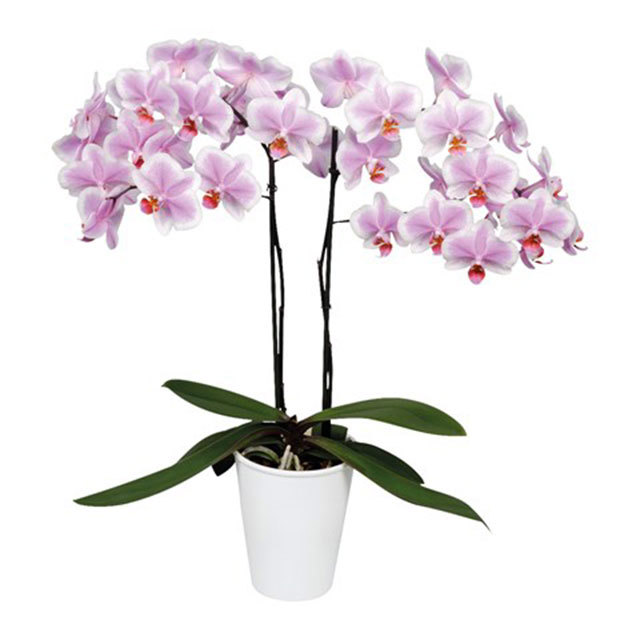
Phalaenopsis Amsterdam Drooping Leaves
eco Drooping Leaves

Phalaenopsis Amsterdam – Drooping Leaves

Why does your Phalaenopsis Amsterdam have drooping leaves? Diagnose the cause and fix it with our step-by-step guide.

search Possible Causes

error

Improper Watering (Underwatering)

When the velamen of the Phalaenopsis roots dries out completely for too long, the plant loses turgor pressure, causing the leaves to lose rigidity and droop. This is the most common cause of wilting in moth orchids when the potting medium has become desiccated.

Very Common
lightbulb
How to confirm: Gently squeeze the leaves; if they feel soft and flexible rather than firm, check if the orchid roots are silvery-grey or shriveled.
build How to fix it
shopping_cart Recommended Products
1 Immediately soak the orchid's potting medium in water for 10-15 minutes to rehydrate the desiccated roots and restore turgor pressure.
2 Monitor the hydration levels of the medium using a moisture meter to ensure the roots stay moist but not waterlogged.
3 If the current medium is too far gone, repot the orchid in a fresh, airy substrate like orchid bark to ensure better moisture retention and aeration.
error

Root Rot (Overwatering)

Excessive moisture in the substrate leads to anaerobic conditions that decay the root system. As roots die, they can no longer transport water to the leaves, resulting in a paradoxical drooping symptom despite wet soil.

Very Common
lightbulb
How to confirm: Carefully remove the orchid from its pot and inspect if the roots are brown, mushy, or hollow instead of firm and green/white.
build How to fix it
shopping_cart Recommended Products
1 Remove the orchid from its current pot and carefully trim away all mushy, brown, or black decaying roots using sterilized shears.
2 Repot the orchid in a fresh, highly aerated medium like orchid bark to ensure proper drainage and prevent future anaerobic conditions.
3 Use a moisture meter to monitor the substrate, ensuring you only water when the medium is nearly dry to avoid repeating the overwatering cycle.
warning

Temperature Stress (Cold Shock)

Phalaenopsis orchids are tropical plants that are sensitive to sudden temperature drops. Exposure to drafts or temperatures below 13°C (55°F) can disrupt metabolic processes and cause the foliage to lose structural integrity.

Common
lightbulb
How to confirm: Check if the plant is located near a window,-drafty door, or air conditioning vent.
build How to fix it
shopping_cart Recommended Products
1 Immediately move the orchid to a stable, warm environment away from cold drafts, windows, or air conditioning vents to stabilize the temperature.
2 Monitor the soil moisture closely, as temperature fluctuations can affect evaporation rates; use a moisture meter to ensure the medium remains damp but not waterlogged.
3 If the plant continues to struggle, repot into a fresh, well-draining medium like orchid bark to promote healthy root recovery.
warning

Nutrient Deficiency (Nitrogen/Magnesium)

A lack of essential macronutrients can prevent the development of strong cell walls in the leaves. Prolonged periods without orchid-specific fertilizer can lead to weakened foliage that cannot support its own weight.

Common
lightbulb
How to confirm: Observe if the drooping is accompanied by a pale, yellowish color (chlorosis) across the leaf surface.
build How to fix it
shopping_cart Recommended Products
1 Apply a balanced liquid fertilizer to provide essential nutrients for cell wall strength and foliage support.
2 Supplement with a calcium and magnesium fertilizer to specifically address potential magnesium deficiencies and strengthen plant structure.
3 Check the orchid's substrate moisture levels using a moisture meter to ensure the drooping isn't actually caused by dehydration.

Other Phalaenopsis Amsterdam problems

Your plant might also be experiencing one of these issues:

local_hospital All symptoms eco All plants with drooping leaves
favorite