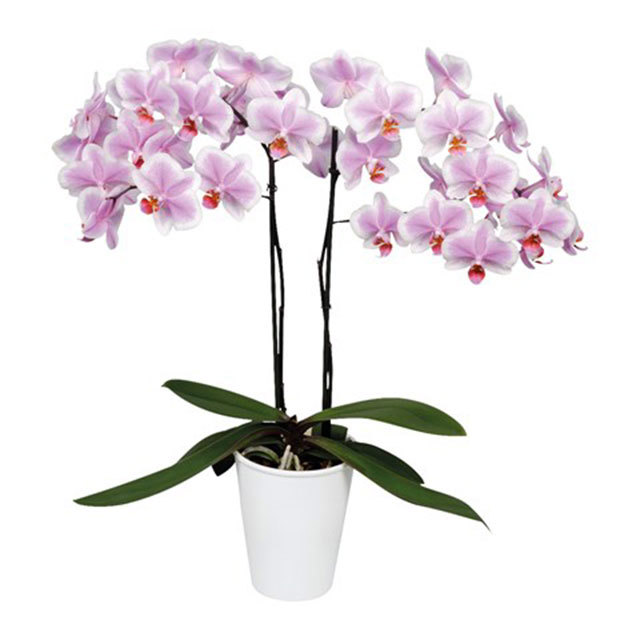
Phalaenopsis Amsterdam Sticky Leaves
eco Sticky Leaves

Phalaenopsis Amsterdam – Sticky Leaves

Why does your Phalaenopsis Amsterdam have sticky leaves? Diagnose the cause and fix it with our step-by-step guide.

search Possible Causes

error

Scale Insect Infestation

Scale insects attach themselves to the leaves of Phalaenopsis orchids and secrete honeydew, a sticky substance used for energy excretion. This residue can coat the foliage, potentially leading to secondary sooty mold growth.

Very Common
lightbulb
How to confirm: Inspect the underside of leaves and leaf axils for small, brown, or tan bumps that are firmly attached to the plant tissue.
build How to fix it
shopping_cart Recommended Products
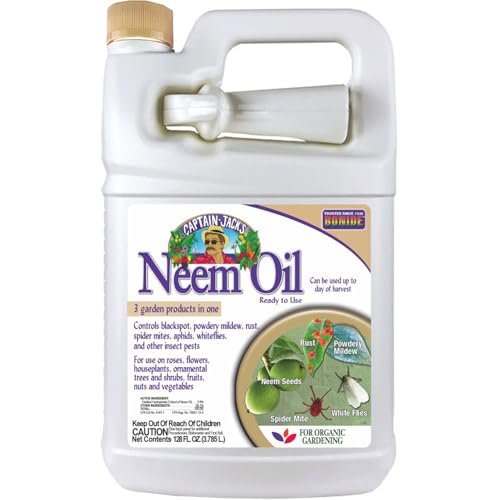
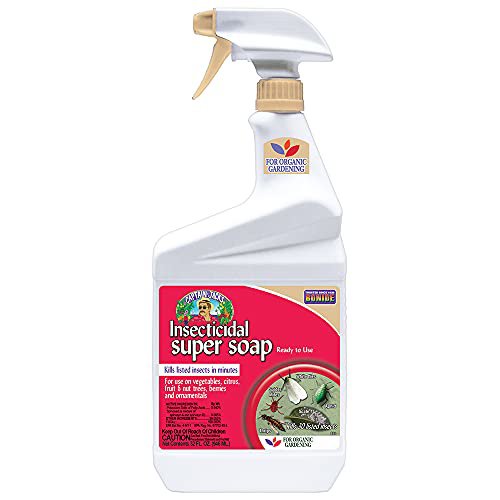
1 Treat the orchid with an organic insecticide to eliminate the scale insects and stop the production of honeydew.
2 Gently wipe the sticky residue and any visible scale insects off the leaves using a soft cloth and insecticidal soap or neem oil.
3 Improve air circulation around the plant to prevent the development of secondary sooty mold on the leaves.
error

Mealybug Infestation

Mealybugs produce honeydew as they feed on the orchid's sap, resulting in a sticky film on the leaves. They tend to hide in the crevices of the flower spikes and leaf junctions.

Very Common
lightbulb
How to confirm: Look for tiny, white, cotton-like clusters nestled in the leaf joints or near the base of the plant.
build How to fix it
shopping_cart Recommended Products
1 Treat the infestation immediately with an organic insecticide to kill existing mealybugs and larvae.
2 Inspect the crevices of flower spikes and leaf junctions, manually removing visible pests with a cotton swab dipped in isopropyl alcohol.
3 Wipe the sticky honeydew residue off the leaves using a soft cloth and water to prevent fungal growth.
warning

Aphid Attack

Aphids are soft-bodied insects that pierce Phalaenopsis leaves to suck sap, excreting sticky honeydew in the process. They are particularly common on tender new growth and developing flower buds.

Common
lightbulb
How to confirm: Check for small, pear-shaped insects (often green or black) clustered on the newest leaf tips or emerging flower stalks.
build How to fix it
shopping_cart Recommended Products
1 Immediately treat the orchid with an organic insecticide to eliminate the aphid population and stop the production of honeydew.
2 Gently wipe the sticky residue from the leaves using a soft cloth dampened with water or a mild insecticidal soap to prevent fungal growth.
3 Inspect new growth and flower buds closely, and if an infestation is found, use a targeted spray to ensure the underside of leaves are covered.
warning

Extrafloral Nectar Secretion

Certain physiological stressors or specific orchid varieties may exhibit increased nectar production, which is naturally sugary and sticky. This is less common for a systemic issue but can occur during rapid growth phases.

Common
lightbulb
How to confirm: Observe if the stickiness is localized to specific glands and if there are no visible insect bodies present on the plant.
build How to fix it
shopping_cart Recommended Products
1 Gently wipe the sticky residue from the leaves using a soft cloth dampened with water or a very diluted isopropyl alcohol solution to prevent secondary fungal growth.
2 Monitor the plant for any signs of pests like aphids or scale, which are often attracted to nectar; use a targeted spray if insects are found.
3 Ensure the orchid is in a stable environment with consistent humidity and light to minimize physiological stress during this growth phase.

Other Phalaenopsis Amsterdam problems

Your plant might also be experiencing one of these issues:

local_hospital All symptoms eco All plants with sticky leaves
favorite