Phalaenopsis Bahia Blanca Drooping Leaves
eco Drooping Leaves

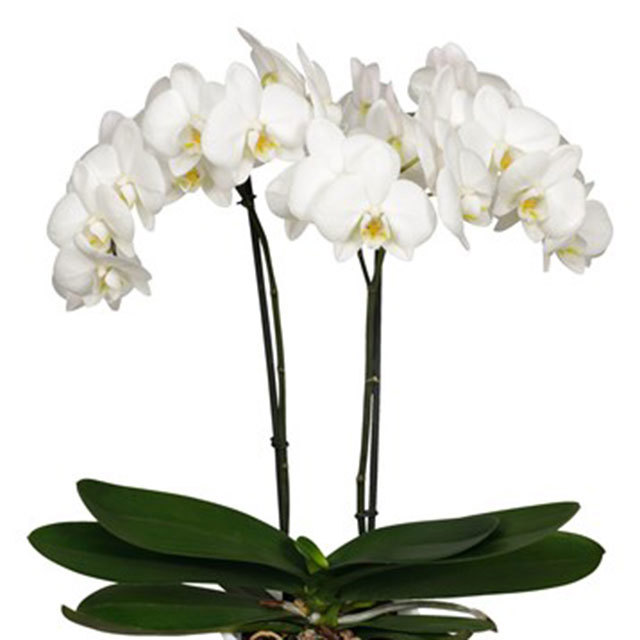
Phalaenopsis Bahia Blanca – Drooping Leaves

Why does your Phalaenopsis Bahia Blanca have drooping leaves? Diagnose the cause and fix it with our step-by-step guide.

pets Pet Friendly

search Possible Causes

error

Root Rot (Overwatering)

Excessive moisture in the orchid bark or sphagnum moss leads to anaerobic conditions, causing the roots to decay. Once roots rot, they can no longer transport water to the leaves, resulting in a lack of turgor pressure and drooping.

Very Common
lightbulb
How to confirm: Gently lift the plant from its pot to check if the roots are black, slimy, or hollow instead of firm and green/white.
build How to fix it
shopping_cart Recommended Products
1 Immediately remove the orchid from its current container and carefully trim away all mushy, black, or slimy roots using sterilized shears.
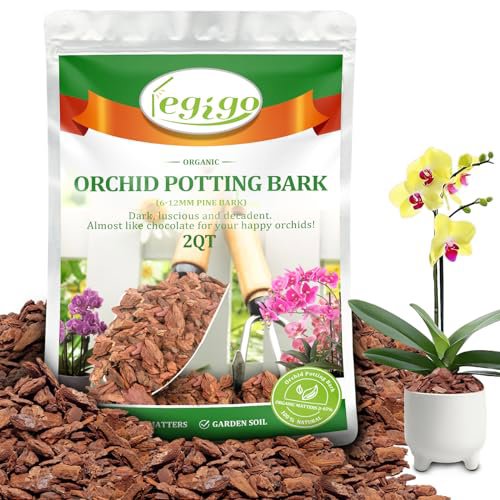
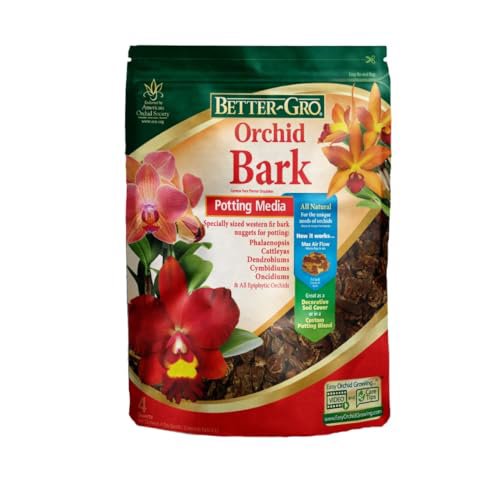
2 Repot the orchid in a fresh, well-draining medium specifically designed for epiphytes, such as Legigo Organic Orchid Potting Bark (ID: 712) or SuperMoss Orchid Potting Bark (ID: 720), to ensure proper aeration.
3 Use a moisture meter to monitor the substrate, ensuring you only water when the medium is nearly dry to prevent future anaerobic conditions.
error

Dehydration (Underwatering)

Phalaenopsis orchids require consistent humidity and moisture; if the substrate has dried out completely, the pseudobulbs (or base) cannot maintain leaf rigidity. This is common when using aged bark that no longer retains water effectively.

Very Common
lightbulb
How to confirm: Check the weight of the pot; a significantly light pot usually indicates the medium is bone dry.
build How to fix it
shopping_cart Recommended Products
1 Immediately soak the orchid's substrate in water for 15-20 minutes to ensure the core of the root mass is fully rehydrated.
2 Check the moisture levels of the substrate regularly using a moisture meter to prevent the medium from drying out completely in the future.
3 Repot the orchid in fresh, moisture-retentive orchid bark to replace aged substrate that has lost its water-holding capacity.
warning

Temperature Shock

Sudden drops in temperature or exposure to cold drafts can cause physiological stress in Phalaenopsis. This metabolic disruption often manifests as a loss of leaf tension and eventual wilting.

Common
lightbulb
How to confirm: Observe if the plant is located near an air conditioning vent, a drafty window, or a cold exterior wall.
build How to fix it
shopping_cart Recommended Products
1 Immediately move the orchid away from cold drafts, windows, or air conditioning vents to a stable, warm environment.
2 Monitor the soil moisture levels closely to ensure the plant is not also suffering from dehydration during this period of stress.
3 To support recovery and strengthen the plant's metabolic resilience, apply a diluted liquid seaweed fertilizer.
warning

Bacterial Soft Rot (Erwinia)

Pathogenic bacteria can enter through wounded leaf tissue, particularly in high humidity. As the bacteria consume plant tissue, the leaves lose structural integrity and begin to droop or turn mushy.

Common
lightbulb
How to confirm: Inspect the base of the drooping leaves for any dark, water-soaked lesions or a foul odor.
build How to fix it
shopping_cart Recommended Products
1 Immediately prune away any mushy, blackened, or soft leaf tissue using sterilized shears to prevent the bacteria from spreading to healthy parts of the orchid.
2 Apply a fungicide to the affected area to combat bacterial spread and ensure the plant is in a well-ventilating area with low humidity to dry out the wound.
3 Repot the orchid into a fresh, well-draining medium like orchid bark to eliminate any bacteria residing in the old, damp substrate.

Other Phalaenopsis Bahia Blanca problems

Your plant might also be experiencing one of these issues:

local_hospital All symptoms eco All plants with drooping leaves
favorite