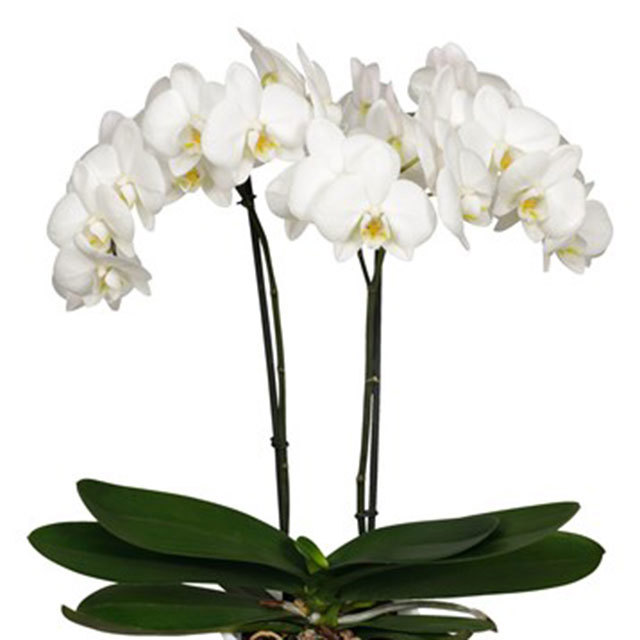
Phalaenopsis Bahia Blanca Fine Webbing
eco Fine Webbing

Phalaenopsis Bahia Blanca – Fine Webbing

Why does your Phalaenopsis Bahia Blanca have fine webbing? Diagnose the cause and fix it with our step-by-step guide.

pets Pet Friendly

search Possible Causes

error

Spider Mites (Tetranychidae)

The presence of fine webbing is the classic hallmark of spider mite infestations, which thrive in the low-humidity environments often found with Phalaenopsis orchids. These microscopic pests pierce plant cells to suck out sap, leading to stippling and chlorosis on the leaves.

Very Common
lightbulb
How to confirm: Hold a white piece of paper underneath a leaf and tap it sharply to see if tiny moving dots fall onto the paper.
build How to fix it
shopping_cart Recommended Products
1 Immediately treat the orchid with an organic insecticide to eliminate the spider mite population and kill existing eggs and larvae.
2 Increase local humidity around the orchid to make the environment less hospitable for spider mites, which thrive in dry conditions.
3 Gently wipe the leaves with a damp cloth to physically remove webbing and any remaining mites from the plant surface.
warning

Cheeseman Spider Mites (specialized Orchid Mites)

Certain mite species specifically target orchid foliage, creating silk webs that can encase entire leaf clusters. This is especially common in Phalaenopsis when air circulation is stagnant and temperatures are warm.

Common
lightbulb
How to confirm: Inspect the undersides of leaves and the axils (where leaves meet the stem) for dense silk patches or tiny moving organisms.
build How to fix it
shopping_cart Recommended Products
1 Apply an organic miticide/insecticide spray to the foliage to eliminate the spider mite population and destroy the silk webbing.
2 Increase air circulation around the orchid by using a small fan to prevent the stagnant, warm conditions that mites thrive in.
3 Gently wipe the leaves with a damp cloth to physically remove remaining webs and mite eggs from the leaf clusters.
warning

High Humidity with Dust Accumulation

While not a biological pest, heavy dust buildup in high-humidity environments can sometimes create a structural 'webbed' appearance when combined with sticky residue from plant secretions. This is less likely to be true silk but can mimic the visual symptom.

Common
lightbulb
How to confirm: Wipe a leaf with a damp cloth; if the webbing disappears and leaves no microscopic movement, it is likely just debris.
build How to fix it
shopping_cart Recommended Products
1 Gently wipe the orchid leaves with a soft, damp cloth to remove dust and any sticky residue that may be mimicking webbing.
2 Improve airflow around the plant to prevent dust from settling and to reduce the risk of actual spider mite infestations.
3 Monitor the plant closely with a moisture meter to ensure the high humidity isn't leading to stagnant, overly wet conditions.

Other Phalaenopsis Bahia Blanca problems

Your plant might also be experiencing one of these issues:

local_hospital All symptoms eco All plants with fine webbing
favorite