Philodendron bipinnatifidum Leggy Stems
eco Leggy Stems

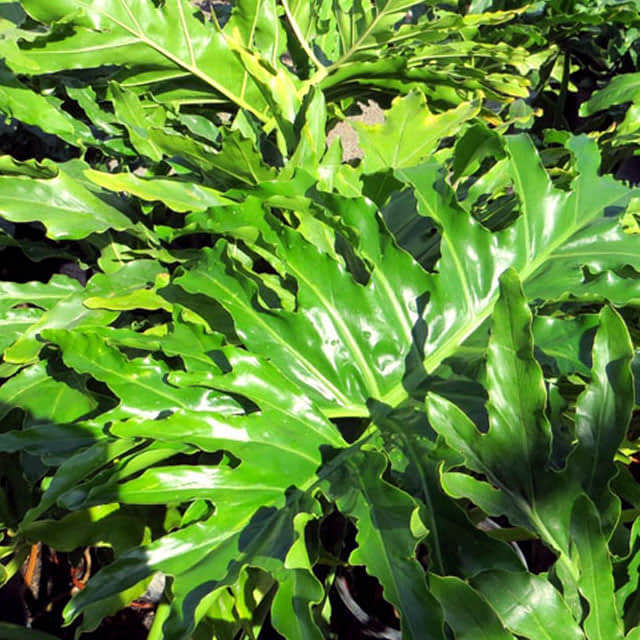
Philodendron bipinnatifidum – Leggy Stems

Why does your Philodendron bipinnatifidum have leggy stems? Diagnose the cause and fix it with our step-by-step guide.

search Possible Causes

error

Insufficient Light Intensity

Philodendron bipinnatifidum is a hemi-epiphyte that naturally grows toward light sources. When light levels are too low, the plant undergoes etiolation, stretching its petioles and internodes to search for brightness.

Very Common
lightbulb
How to confirm: Observe if the new leaves are significantly smaller or paler than older foliage and check if stems are leaning heavily toward a window.
build How to fix it
shopping_cart Recommended Products
1 Move your Philodendron to a location with brighter, indirect light to stop the stems from stretching further.
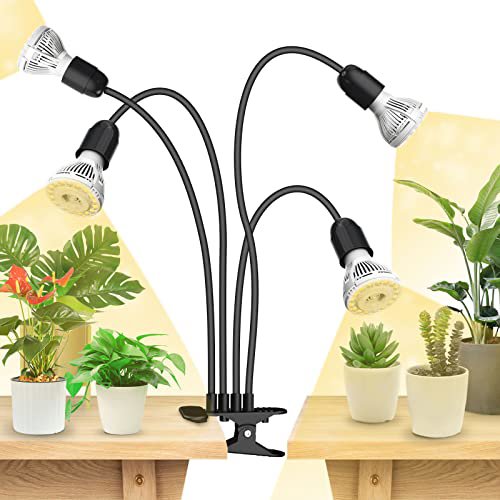
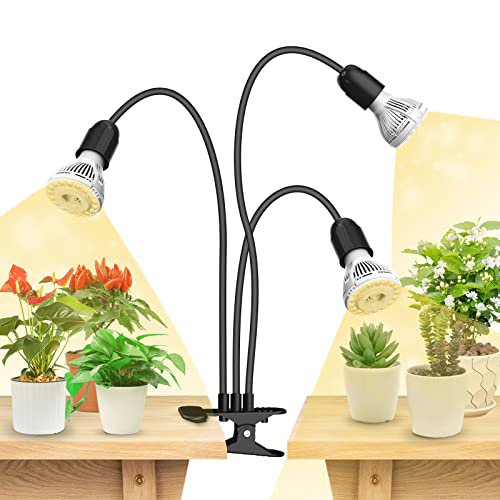
2 Supplement existing lighting with a full-spectrum grow light to provide the necessary intensity for healthy leaf development.
3 Prune the longest, weakest stems using sharp shears to encourage more compact, bushy growth.
warning

Nutrient Deficiency (Nitrogen)

A lack of essential macronutrients, particularly nitrogen, can result in weakened cell wall structures. This prevents the plant from maintaining the structural integrity needed for thick, robust stems.

Common
lightbulb
How to confirm: Inspect older leaves for chlorosis (yellowing) alongside the stretching growth patterns.
build How to fix it
shopping_cart Recommended Products
1 Apply a nitrogen-rich liquid fertilizer to boost vegetative growth and strengthen stem structure.
2 Ensure the plant is receiving adequate light to support new, robust growth and prevent further stretching.
3 Monitor soil moisture levels regularly to ensure the plant can effectively uptake the new nutrients.
warning

Inconsistent Watering Regimes

Fluctuating moisture levels can stress the plant's vascular system. Prolonged periods of drought followed by heavy watering can lead to rapid, weak cellular expansion, resulting in spindly growth.

Common
lightbulb
How to confirm: Check if the soil profile is drying out completely between waterings or staying saturated for too long.
build How to fix it
shopping_cart Recommended Products
1 Stabilize the watering schedule by checking the soil depth before each watering to ensure consistent moisture levels.
2 Apply a liquid fertilizer to provide the necessary nutrients for stronger, more robust stem development.
3 Prune the weakest, most spindly stems using sharp, clean shears to redirect energy to healthier growth.
warning

Container Size Mismatch

If the plant is root-bound, the lack of available substrate to support a larger biomass can force the plant to prioritize vertical stem extension over leaf and root development.

Common
lightbulb
How to confirm: Gently lift the plant from its pot to check if roots are circling the perimeter or pushing against the container walls.
build How to fix it
shopping_cart Recommended Products
1 Check the roots for signs of being root-bound by gently lifting the plant from its current container.
2 Repot the Philodendron into a larger container with fresh, well-draining substrate to provide more room for root expansion and nutrient access.
3 Provide supplemental lighting to encourage fuller, more compact growth and prevent further stem stretching.

Other Philodendron bipinnatifidum problems

Your plant might also be experiencing one of these issues:

local_hospital All symptoms eco All plants with leggy stems
favorite