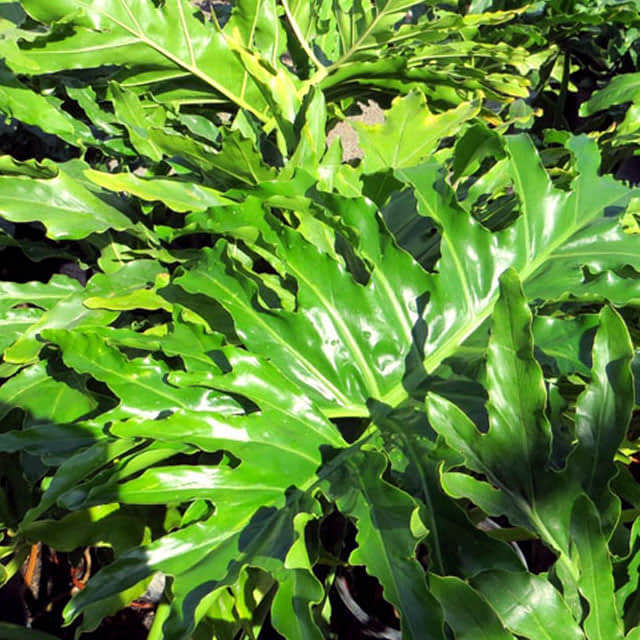
Philodendron bipinnatifidum Yellow Leaves
eco Yellow Leaves

Philodendron bipinnatifidum – Yellow Leaves

Why does your Philodendron bipinnatifidum have yellow leaves? Diagnose the cause and fix it with our step-by-step guide.

search Possible Causes

error

Overwatering and Root Rot

Philo dendron bipinnatifidum is highly susceptible to root rot if the substrate remains saturated. Excess moisture deprives roots of oxygen, leading to cellular death in leaves and subsequent yellowing.

Very Common
lightbulb
How to confirm: Stick your finger two inches into the soil; if it feels soggy or smells musty, the roots may be rotting.
build How to fix it
shopping_cart Recommended Products
1 Immediately stop watering and allow the soil to dry out completely. Use a moisture meter to monitor the substrate and ensure the root zone is not staying saturated.
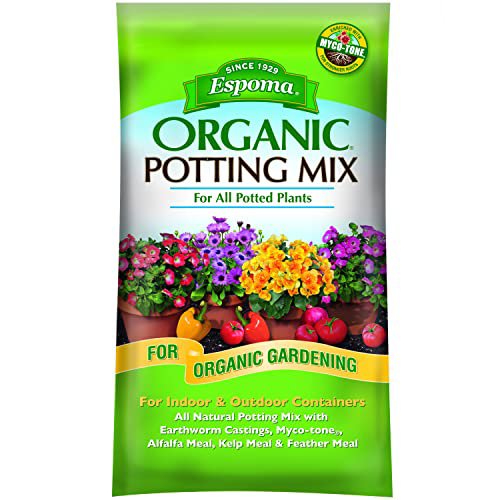
2 Repot the plant in a well-draining, fresh potting mix to replace any decayed organic matter. Incorporate perlite to improve aeration and prevent future oxygen deprivation.
3 Inspect the roots and prune away any mushy, black, or foul-smelling roots using sterilized shears. Ensure the new pot has adequate drainage to prevent water pooling.
error

Nutrient Deficiency (Nitrogen)

As a large-scale grower, this plant requires consistent nitrogen for chlorophyll production. A lack of available nitrogen causes older leaves to turn uniformly yellow before progressing to newer growth.

Very Common
lightbulb
How to confirm: Observe if the yellowing starts on the oldest, bottom leaves while new growth remains green.
build How to fix it
shopping_cart Recommended Products
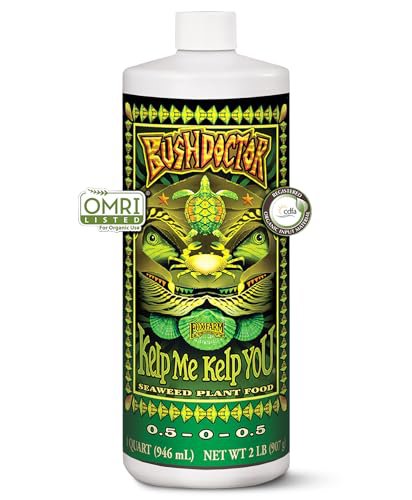
1 Apply a nitrogen-rich liquid fertilizer to boost chlorophyll production and green up the foliage.
2 Monitor the soil moisture levels regularly to ensure the nitrogen can be effectively absorbed by the roots.
3 Ensure the plant is in a well-draining potting medium to prevent root rot, which can also cause yellowing.
warning

Improper Lighting

Insufficient light prevents the plant from performing photosynthesis efficiently, causing leaves to lose chlorophyll. Conversely, intense direct sunlight can scorch leaf tissue, resulting in yellow patches.

Common
lightbulb
How to confirm: Check if the plant is placed in a dark corner or if it is receiving direct midday sun through a window.
build How to fix it
shopping_cart Recommended Products
1 Relocate your Philodendron to a spot with bright, indirect light, ensuring it avoids harsh, direct afternoon sun which can scorch the leaves.
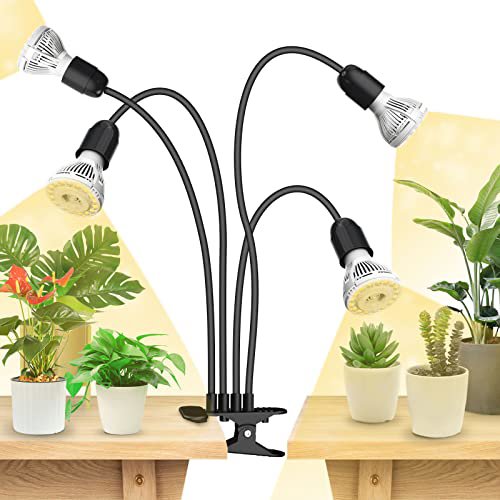
2 If your indoor space lacks sufficient natural light, supplement with a full-spectrum grow light to support efficient photosynthesis.
3 Monitor the soil moisture levels closely during this light adjustment, as plants in lower light require less frequent watering to prevent root rot.
warning

Temperature Fluctuations or Cold Stress

This tropical species thrives in consistent warmth. Exposure to drafts from air conditioners or temperatures below 55°F (13°C) can cause physiological stress and leaf yellowing.

Common
lightbulb
How to confirm: Check if the plant is positioned near a window, vent, or door that experiences significant temperature changes.
build How to fix it
shopping_cart Recommended Products
1 Relocate your Philodendron to a stable environment away from cold drafts, air conditioning vents, or windows that may drop below 55°F.
2 Monitor the soil moisture levels closely, as cold stress can slow down evaporation and lead to root rot.
3 If the plant shows signs of recovery, apply a liquid seaweed fertilizer to help boost nutrient uptake and mitigate environmental stress.

Other Philodendron bipinnatifidum problems

Your plant might also be experiencing one of these issues:

local_hospital All symptoms eco All plants with yellow leaves
favorite