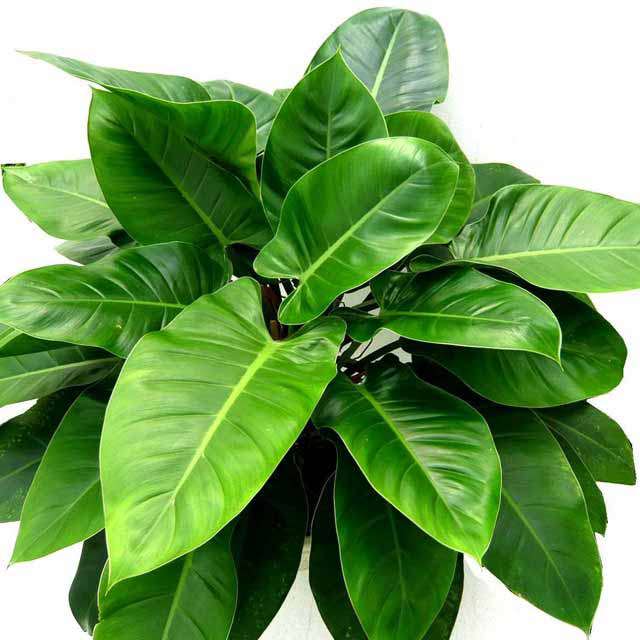
Philodendron Imperial Green Drooping Leaves
eco Drooping Leaves

Philodendron Imperial Green – Drooping Leaves

Why does your Philodendron Imperial Green have drooping leaves? Diagnose the cause and fix it with our step-by-step guide.

search Possible Causes

error

Overwatering and Root Rot

Excessive moisture in the substrate deprives roots of oxygen, leading to fungal pathogens like Phytophthora that cause root decay. As roots die, they can no longer transport water to the large imperial leaves, resulting in limp, drooping foliage.

Very Common
lightbulb
How to confirm: Stick your finger two inches into the soil; if it feels saturated or smells musty, check the roots for brown, slimy textures.
build How to fix it
shopping_cart Recommended Products
1 Immediately remove the plant from its current pot and inspect the roots for mushy, dark, or foul-smelling decay; trim away any rotted sections using sterilized tools.
2 Repot the Philodendron in a fresh, well-draining medium enriched with perlite to improve aeration and prevent future waterlogging.
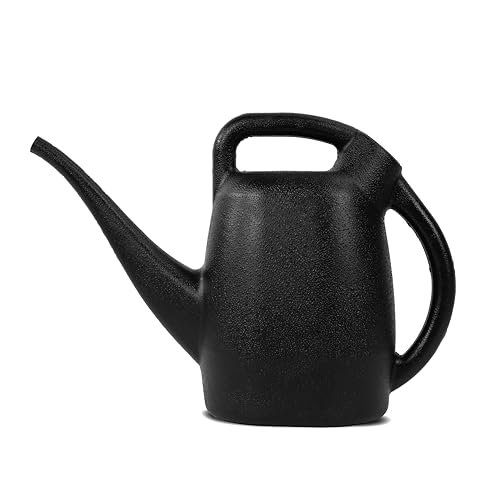
3 Transition to a more breathable container and use a moisture meter to ensure the substrate is allowed to dry out significantly before the next watering.
error

Underwatering and Desiccation

Philodendron Imperial Green requires consistent moisture to maintain turgor pressure in its large, heavy leaves. When the soil dries out completely, the plant enters a survival mode, causing the petioles to lose strength and sag.

Very Common
lightbulb
How to confirm: Check if the soil is pulling away from the edges of the pot and if the leaves feel thin or crispy at the margins.
build How to fix it
shopping_cart Recommended Products
1 Immediately check the soil moisture level using a probe to confirm the depth of dryness.
2 Thoroughly soak the soil with water until it drains from the bottom, ensuring the root ball is fully rehydrated.
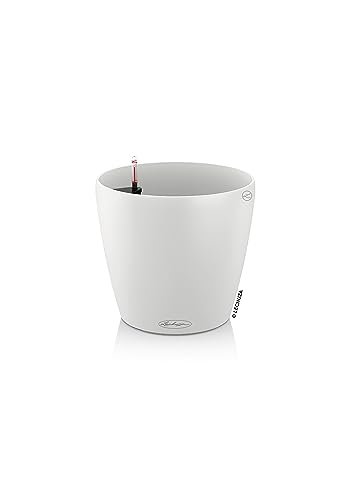
3 To prevent future desiccation, consider using a self-watering system to maintain consistent moisture levels.
warning

Temperature Shock or Cold Drafts

This tropical species is sensitive to sudden temperature drops, especially below 60°F (15°C). Exposure to cold drafts from windows or AC units can cause cellular disruption, leading to immediate leaf drooping.

Common
lightbulb
How to confirm: Observe if the drooping coincided with a change in weather or if the plant is positioned directly in front of an air vent.
build How to fix it
shopping_cart Recommended Products
1 Immediately move your Philodendron away from cold windows, doors, or AC vents to a stable environment between 65°F and 80°F.
2 Check the soil moisture with a meter to ensure the temperature drop hasn't caused the plant to stop transpiring, which can lead to root rot.
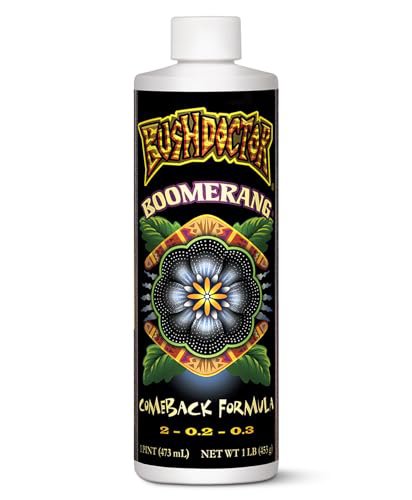
3 If the plant shows signs of recovery, apply a microbial-based fertilizer to help stimulate root zone development and stress recovery.
warning

Nutrient Deficiency (Nitrogen/Magnesium)

A lack of essential macronutrients prevents the plant from maintaining the structural integrity and chlorophyll production needed for large leaf growth. This often manifests as a loss of vigor and drooping in older leaves first.

Common
lightbulb
How to confirm: Look for pale, yellowish discoloration on the leaves alongside the drooping symptoms.
build How to fix it
shopping_cart Recommended Products
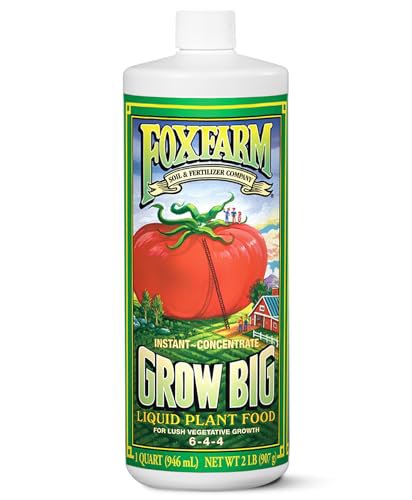
1 Apply a balanced liquid fertilizer to boost nitrogen and magnesium levels, which helps restore leaf structural integrity and chlorophyll production.
2 Supplement with a magnesium-rich additive to specifically address potential magnesium deficiencies and support healthy leaf development.
3 Monitor the soil moisture levels using an analog meter to ensure that the drooping is not actually caused by underwatering or overwatering.

Other Philodendron Imperial Green problems

Your plant might also be experiencing one of these issues:

local_hospital All symptoms eco All plants with drooping leaves
favorite