Red Cabbage Pretino F1 White Cottony Spots
eco White Cottony Spots

Red Cabbage Pretino F1 – White Cottony Spots

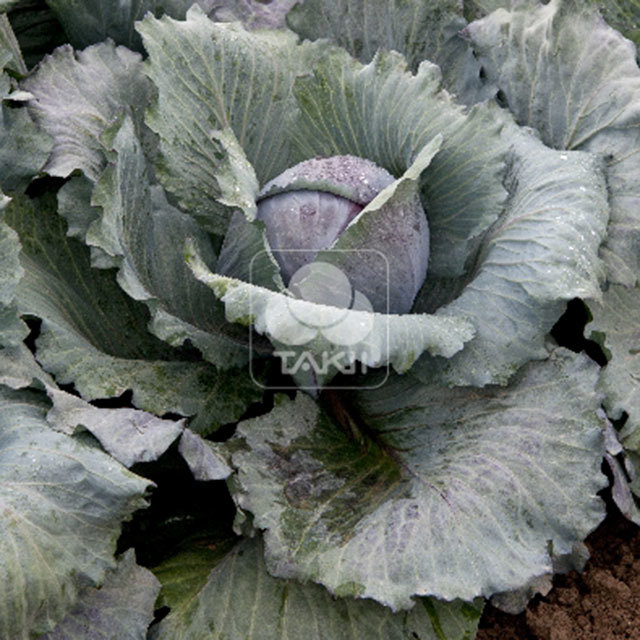
Why does your Red Cabbage Pretino F1 have white cottony spots? Diagnose the cause and fix it with our step-by-step guide.

search Possible Causes

error

Sclerotinia sclerotiorum (White Mold)

This fungal pathogen produces a characteristic white, cottony mycelium that can quickly envelop cabbage leaves and stems. In high humidity, it leads to tissue maceration and rot in Brassica species.

Very Common
lightbulb
How to confirm: Check for sunken, soft brown lesions on the stem or leaf base underneath the white fuzz.
build How to fix it
shopping_cart Recommended Products
1 Immediately remove and destroy all infected plant material and surrounding debris to prevent the fungal spores from spreading to healthy cabbage plants.
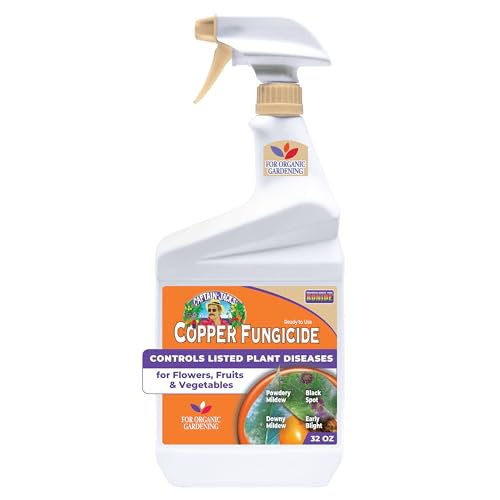
2 Apply an organic fungicide to the affected area to control the spread of the white mold mycelium.
3 Improve air circulation and reduce humidity around the plants by spacing them further apart and avoiding overhead watering.
warning

Powdery Mildew

While more common in cucurbits, certain strains can affect brassicas, presenting as white, flour-like patches on the surface of the leaves. It thrives in environments with high humidity and moderate temperatures.

Common
lightbulb
How to confirm: Observe if the white spots can be easily rubbed off with your finger without significant tissue decay.
build How to fix it
shopping_cart Recommended Products
1 Apply an organic fungicide to the affected leaves to control the spread of the powdery mildew spores.
2 Improve air circulation around the cabbage plants and reduce humidity by avoiding overhead watering.
3 Remove and dispose of heavily infected leaves to prevent the fungus from spreading to healthy parts of the plant.
warning

Mealybugs or Cottony Scale

These sap-sucking insects secrete a waxy, white substance that looks like cotton to protect themselves. They feed on the cabbage leaves, often causing yellowing (chlorosis) around the infestation sites.

Common
lightbulb
How to confirm: Use a magnifying glass to look for small, moving insects underneath the white cottony masses.
build How to fix it
shopping_cart Recommended Products
1 Isolate the plant immediately to prevent the spread of mealybugs to other greenery and treat the visible white spots with an organic insecticide spray.
2 Use a cotton swab dipped in isopropyl alcohol to manually remove individual insect clusters from the leaves and stems.
3 Monitor soil moisture levels closely, as stressed plants are more susceptible to infestations; use a moisture meter to ensure the soil remains consistently damp but not waterlogged.
warning

Botrytis cinerea (Gray Mold)

In early stages, Botrytis can appear as light-colored, fuzzy patches on cabbage foliage. As it progresses, it typically turns into a more grayish, spore-heavy mass that causes rot in the head.

Common
lightbulb
How to confirm: Inspect the tightly packed inner leaves of the cabbage head for signs of moisture and decay.
build How to fix it
shopping_cart Recommended Products
1 Remove and destroy all infected cabbage leaves and any decaying plant matter to prevent fungal spores from spreading to healthy tissue.
2 Apply an organic fungicide to the affected area to control the spread of the mold.
3 Improve air circulation around the cabbage plants and avoid overhead watering to keep the foliage dry and reduce humidity.

Other Red Cabbage Pretino F1 problems

Your plant might also be experiencing one of these issues:

local_hospital All symptoms eco All plants with white cottony spots
favorite