Rhododendron argyrophyllum Sudden Leaf Drop
eco Sudden Leaf Drop

Rhododendron argyrophyllum – Sudden Leaf Drop

Why does your Rhododendron argyrophyllum have sudden leaf drop? Diagnose the cause and fix it with our step-by-step guide.

search Possible Causes

error

Phytophthora Root Rot

This oomycete pathogen thrives in waterlogged soils, causing decay of the fine feeder roots. As the root system fails, the Silver-leafed Rhododendron can no longer support its foliage, leading to rapid, sudden defoliation.

Very Common
lightbulb
How to confirm: Inspect the base of the stems and the soil for a damp, sour odor or mushy, darkened bark.
build How to fix it
shopping_cart Recommended Products
1 Immediately reduce watering frequency and ensure the plant is in a well-draining medium to stop the spread of the pathogen.
2 Repot the plant in a fresh, highly aerated substrate to encourage new root growth and prevent further decay.
3 Prune away any mushy, darkened roots and treat the remaining healthy roots with a fungicide if necessary.
error

Environmental Shock (Temperature/Transplant)

Rhododendron argyrophyllum is sensitive to rapid shifts in temperature or sudden changes in humidity. If the plant was recently moved or exposed to a cold snap, it may drop leaves as a physiological defense mechanism.

Very Common
lightbulb
How to confirm: Check if there has been a recent change in location or an unseasonable frost event in your area.
build How to fix it
shopping_cart Recommended Products
1 Stabilize the environment by moving the plant to a location with consistent temperatures and high humidity to prevent further stress.
2 Monitor soil moisture levels closely to ensure the plant is not overwatered during this recovery phase, as shock can reduce root uptake.
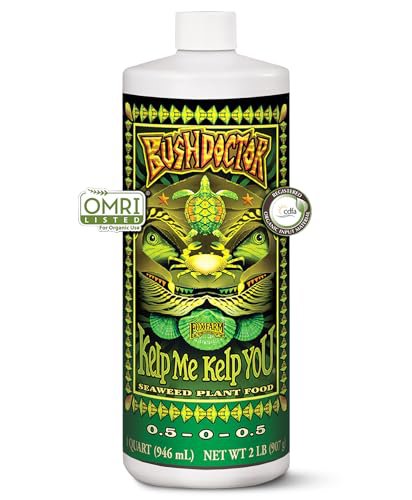
3 Apply a diluted liquid seaweed fertilizer to help the plant recover from physiological stress and boost nutrient uptake.
warning

Water Stress (Drought)

Despite being moisture-loving, extreme dehydration causes the plant to shed leaves to reduce transpiration. This is particularly common if the silver underside of the leaves cannot regulate moisture due to dry substrate.

Common
lightbulb
How to confirm: Check the depth of the soil moisture; if it is bone dry several inches down, the plant is likely dehydrated.
build How to fix it
shopping_cart Recommended Products
1 Immediately check the soil moisture level using a probe to confirm the depth of dehydration.
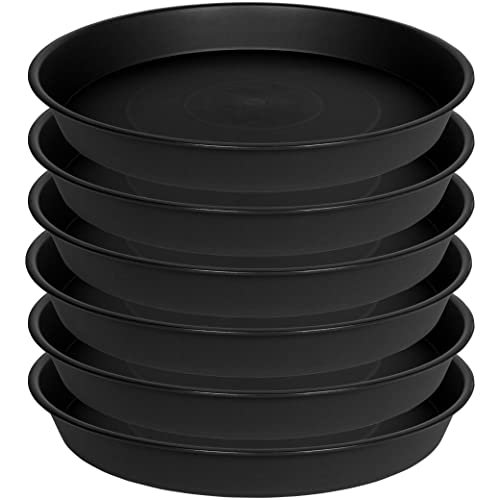
2 Deeply water the plant to ensure the entire root ball is saturated, and consider using a pebble tray or saucer to maintain humidity.
3 Apply a specialized fertilizer for acid-loving plants to help the plant recover from the stress of drought.
warning

Fungal Leaf Spot (e.g., Exobasidium)

Certain fungal pathogens can cause rapid leaf senescence and drop if conditions are excessively humid without airflow. The infection compromises the leaf tissue, signaling the plant to abscise the foliage.

Common
lightbulb
How to confirm: Examine the remaining leaves for small, dark necrotic spots or fungal fuzz before they fall.
build How to fix it
shopping_cart Recommended Products
1 Apply an organic fungicide to the affected foliage to halt the spread of the fungal pathogen and protect remaining leaves.
2 Improve air circulation around the plant and reduce humidity by pruning crowded branches and ensuring the plant is not in a stagnant environment.
3 Remove and dispose of all fallen leaves from the base of the plant to prevent the fungal spores from re-infecting the soil and healthy foliage.

Other Rhododendron argyrophyllum problems

Your plant might also be experiencing one of these issues:

local_hospital All symptoms eco All plants with sudden leaf drop
favorite