Rhododendron argyrophyllum Yellow Leaves
eco Yellow Leaves

Rhododendron argyrophyllum – Yellow Leaves

Why does your Rhododendron argyrophyllum have yellow leaves? Diagnose the cause and fix it with our step-by-step guide.

search Possible Causes

error

Iron Chlorosis

High soil pH (alkaline conditions) prevents this species from absorbing iron, leading to interveinal chlorosis where leaf veins remain green but the rest of the leaf turns yellow. This is common in Rhododendrons if the substrate is not acidic enough.

Very Common
lightbulb
How to confirm: Observe if the yellowing is specifically between the green veins and if it is most prominent on new growth.
build How to fix it
shopping_cart Recommended Products
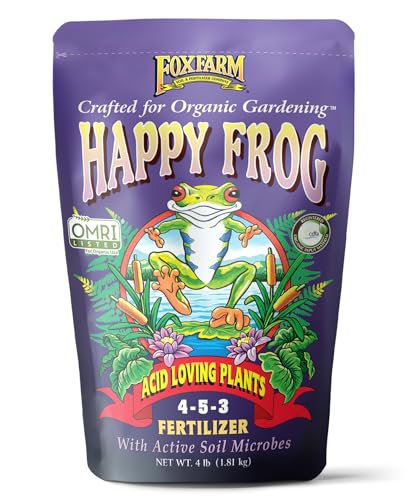
1 Lower the soil pH by applying an acidifying fertilizer specifically designed for acid-loving plants to help the roots absorb iron.
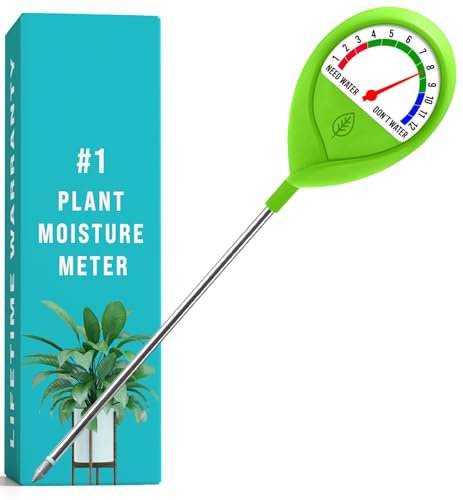
2 Check the soil moisture levels using a moisture meter to ensure the plant is not experiencing waterlogged conditions, which can also exacerbate nutrient lockout.
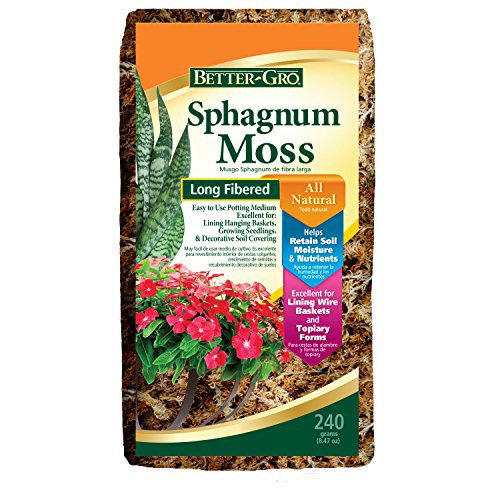
3 Repot the plant in a fresh, acidic substrate like sphagnum moss or an acid-loving mix to restore a healthy pH environment.
error

Root Rot (Phytophthora)

Excessive moisture or poor drainage in heavy soils leads to fungal pathogens attacking the root system. This inhibits water and nutrient transport, causing the characteristic yellowing of the foliage.

Very Common
lightbulb
How to confirm: Gently lift the plant from the soil to check if the roots are dark, slimy, or have a foul odor.
build How to fix it
shopping_cart Recommended Products
1 Immediately reduce watering frequency and ensure the plant is in a well-draining medium to stop the spread of Phytophthora.
2 Repot the plant into a fresh, highly aerated substrate mix containing perlite to improve oxygen to the roots.
3 Apply a fungicide treatment to protect remaining healthy tissues from further fungal attack.
warning

Nitrogen Deficiency

A lack of available nitrogen in the growing medium causes older, lower leaves to turn uniformly yellow before progressing upward. This is often due to depleted soil nutrients or leaching from heavy rainfall.

Common
lightbulb
How to confirm: Check if the yellowing began on the oldest leaves at the base of the plant first.
build How to fix it
shopping_cart Recommended Products
1 Apply a nitrogen-rich organic fertilizer to replenish the depleted soil nutrients.
2 For acid-loving plants like Rhododendron, use a specialized fertilizer to ensure nutrient availability in low pH environments.
3 Check the soil moisture levels to ensure heavy watering or rainfall isn't leaching nutrients away from the root zone.
warning

Water Stress (Drought)

While Rhododendrons prefer moisture, prolonged dry periods cause the plant to shed chlorophyll and wilt. This can lead to a pale yellow appearance followed by leaf drop.

Common
lightbulb
How to confirm: Check the moisture level of the soil several inches below the surface.
build How to fix it
shopping_cart Recommended Products
1 Immediately check the soil moisture level using a probe to confirm if the root zone is completely dry.
2 Apply a deep, thorough watering to the base of the plant, ensuring the soil is fully saturated to restore hydration.
3 Apply a specialized fertilizer for acid-loving plants to help the plant recover and restore chlorophyll production.

Other Rhododendron argyrophyllum problems

Your plant might also be experiencing one of these issues:

local_hospital All symptoms eco All plants with yellow leaves
favorite