Rhododendron bureavii Drooping Leaves
eco Drooping Leaves

Rhododendron bureavii – Drooping Leaves

Why does your Rhododendron bureavii have drooping leaves? Diagnose the cause and fix it with our step-by-step guide.

search Possible Causes

error

Water Stress (Drought or Dehydration)

As an acid-loving evergreen, Bureau's Rhododendron has shallow root systems that are highly sensitive to moisture fluctuations. If the soil substrate dries out completely, the leaves lose turgor pressure and droop rapidly.

Very Common
lightbulb
How to confirm: Insert a finger into the soil up to 2 inches deep; if it feels bone dry, the plant needs immediate-but-gentle watering.
build How to fix it
shopping_cart Recommended Products
1 Immediately check the soil moisture level at the root zone to confirm the extent of dehydration.
2 Apply a deep, slow watering to the base of the plant to ensure the shallow root system is fully rehydrated.
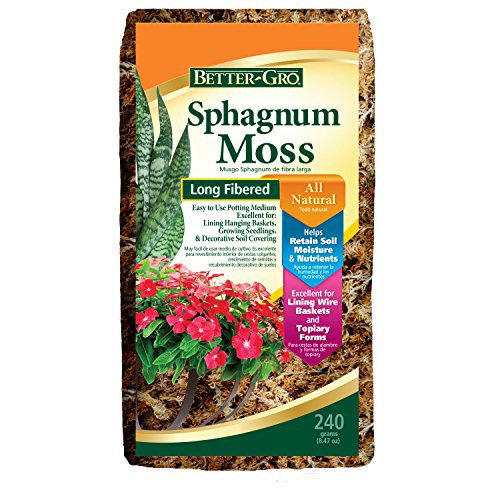
3 Apply a layer of organic mulch or sphagnum moss around the base to help retain moisture and prevent future drought stress.
error

Root Rot (Phytophthora)

Excessive moisture or poor drainage in the substrate can lead to fungal pathogens attacking the roots of this species. This prevents the plant from transporting water to the leaves, causing symptoms that paradoxically look like drought.

Very Common
lightbulb
How to confirm: Check if the soil remains soggy for days and inspect the roots for dark, slimy, or foul-smelling decay.
build How to fix it
shopping_cart Recommended Products
1 Immediately inspect the roots for mushy, dark brown decay and prune away any dead tissue using sterilized tools.
2 Repot the plant into a well-draining, airy medium specifically designed for acid-loving plants to prevent further moisture buildup.
3 Apply a fungicide treatment to combat the Phytophthora pathogen and ensure the new substrate has excellent drainage.
warning

Root Temperature Fluctuations

Rhododendron bureavii is sensitive to extreme heat or sudden cold shifts that affect the root zone. Significant temperature swings can cause physiological shock, leading to temporary leaf wilting/drooping.

Common
lightbulb
How to confirm: Observe if the drooping coincides with a recent heatwave or an unseasonable frost in the garden.
build How to fix it
shopping_cart Recommended Products
1 Insulate the root zone by applying a thick layer of organic mulch to stabilize soil temperatures and prevent sudden shifts.
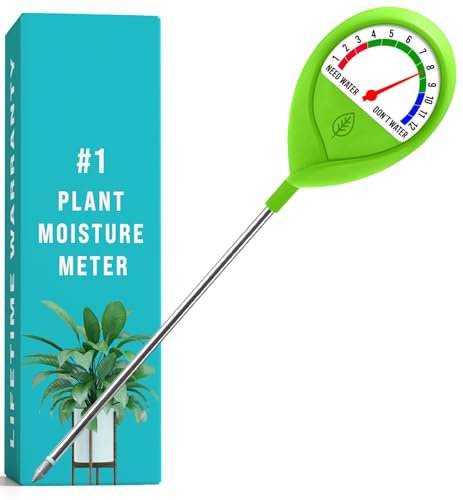
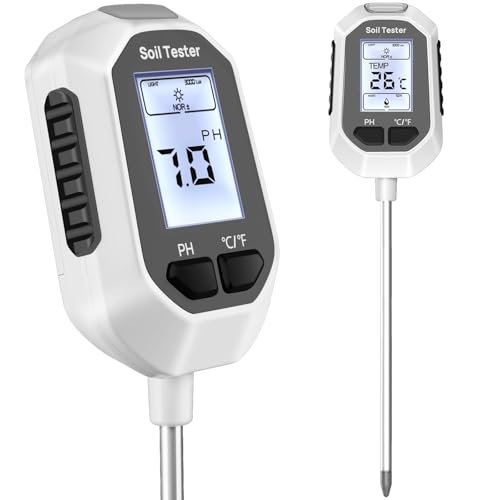
2 Monitor soil moisture levels closely using a moisture meter to ensure the plant isn't also experiencing drought stress during temperature swings.
3 If the plant is in a container, move it to a location with more consistent temperatures, such as a sheltered area or under a porch.
warning

Nutrient Deficiency (Iron Chlorosis)

If the soil pH rises above 5.5, this Rhododendron cannot effectively uptake iron. While chlorosis usually shows as yellowing, severe deficiency can weaken the plant's structural integrity and cause drooping.

Common
lightbulb
How to confirm: Check for yellow leaves with distinct green veins (interveinal chlorosis) alongside the drooping foliage.
build How to fix it
shopping_cart Recommended Products
1 Test your soil pH immediately to ensure it remains in the acidic range (ideally between 4.5 and 5.5) to allow for iron uptake.
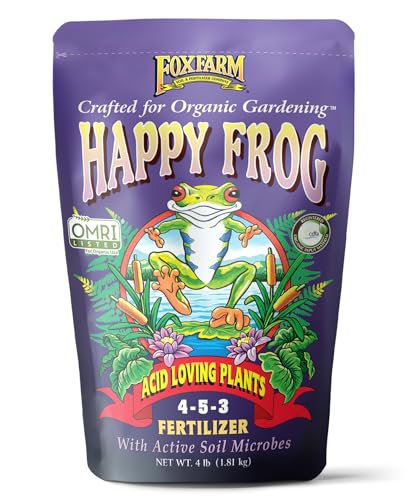
2 Apply an acid-loving plant fertilizer to provide the necessary nutrients and help lower the soil pH.
3 Amend the soil with organic matter like sphagnum moss to improve acidity and moisture retention.

Other Rhododendron bureavii problems

Your plant might also be experiencing one of these issues:

local_hospital All symptoms eco All plants with drooping leaves
favorite