Rhododendron calendulaceum Brown Leaf Tips
eco Brown Leaf Tips

Rhododendron calendulaceum – Brown Leaf Tips

Why does your Rhododendron calendulaceum have brown leaf tips? Diagnose the cause and fix it with our step-by-step guide.

search Possible Causes

error

Salt Accumulation (Salinity Stress)

Flame Azaleas are sensitive to high concentrations of salts from tap water or synthetic fertilizers. This buildup prevents the plant from regulating water uptake, leading to necrosis specifically at the leaf margins and tips.

Very Common
lightbulb
How to confirm: Check if you are using hard water or high-nitrogen fertilizers, and test the soil for salt crusting.
build How to fix it
shopping_cart Recommended Products
1 Flush the soil thoroughly with distilled or rainwater to leach accumulated mineral salts away from the root zone.
2 Switch to an acid-loving fertilizer specifically formulated for low pH environments to prevent further salt buildup.
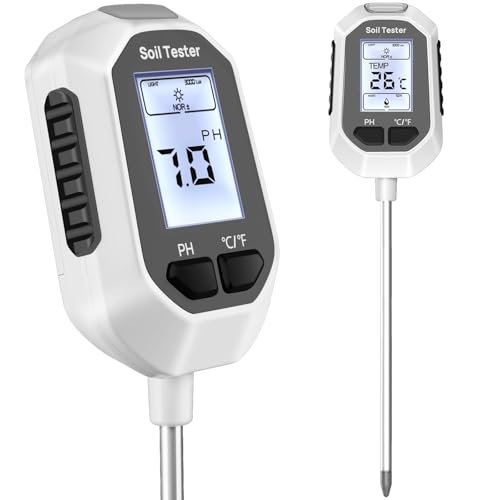
3 Monitor soil moisture levels closely using a moisture meter to ensure the plant is not being overwatered, which can exacerbate salt-induced stress.
error

Drought Stress / Inconsistent Moisture

As an acid-loving native species, R. calendulaceum requires consistent moisture to maintain turgor pressure. Dry soil spells cause the tips of the leaves to desiccate first as the plant pulls water from extremities to protect the core.

Very Common
lightbulb
How to confirm: Stick your finger 2 inches into the soil to see if it feels significantly drier than usual.
build How to fix it
shopping_cart Recommended Products
1 Check the soil moisture level immediately using a moisture meter to determine the depth of the drought stress.
2 Apply a consistent watering schedule to ensure the soil remains moist but not waterlogged, preventing future desiccation.
3 Amend the soil with an acid-loving fertilizer to support recovery and maintain the low pH required by Flame Azaleas.
warning

Root Desiccation due to Poor Soil pH

If the soil pH rises above 5.5, iron and manganese become unavailable to the Flame Azalea. This nutrient lockout can lead to physiological stress that manifests as tip burn even if water is present.

Common
lightbulb
How to confirm: Use a soil test kit to verify that your soil maintains an acidic pH between 4.5 and 5.5.
build How to fix it
shopping_cart Recommended Products
1 Apply an acidifying fertilizer to lower the soil pH and restore nutrient availability.
2 Monitor soil acidity levels regularly to ensure the pH remains in the ideal range for acid-loving plants.
3 Check soil moisture levels with a meter to ensure the roots are not experiencing actual dehydration alongside the pH stress.
warning

Fungal Leaf Spot (e.g., Exobasidium)

While usually presenting as bumps or patches, certain fungal pathogens can cause marginal necrosis in Rhododendron species when humidity is excessively high and airflow is poor.

Common
lightbulb
How to confirm: Inspect the underside of the brown tips for any signs of fungal fruiting bodies or unusual spotting.
build How to fix it
shopping_cart Recommended Products
1 Apply an organic fungicide to the affected leaves to control the spread of the fungal pathogen.
2 Improve air circulation around the plant and reduce humidity by pruning crowded foliage and avoiding overhead watering.
3 Prune and dispose of any heavily infected leaves to prevent the fungus from spreading to healthy tissue.

Other Rhododendron calendulaceum problems

Your plant might also be experiencing one of these issues:

local_hospital All symptoms eco All plants with brown leaf tips
favorite