Rhododendron calendulaceum Tiny Black Flies
eco Tiny Black Flies

Rhododendron calendulaceum – Tiny Black Flies

Why does your Rhododendron calendulaceum have tiny black flies? Diagnose the cause and fix it with our step-by-step guide.

search Possible Causes

error

Fungus Gnats

The tiny black flies are likely fungus gnat larvae or adults, which thrive in the consistently moist, organic-rich acidic soil that Flame Azaleas require. They feed on decaying organic matter and fungal mycelium in the substrate.

Very Common
lightbulb
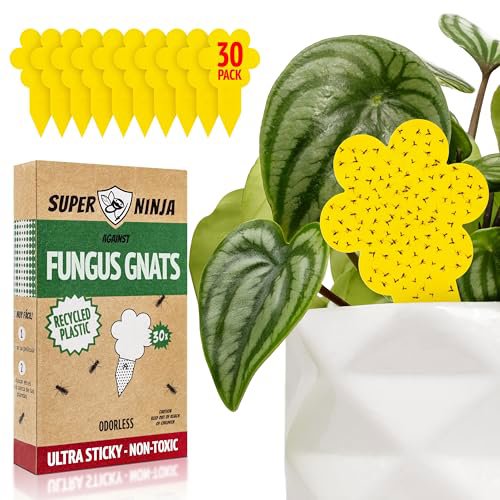
How to confirm: Set a yellow sticky trap near the base of the plant to confirm the presence of flying adults.
build How to fix it
shopping_cart Recommended Products
1 Apply a biological control method to eliminate the adult and larval stages of the fungus gnats.
2 Allow the top layer of soil to dry out more between waterings to disrupt the moist environment gnats prefer.
3 Top-dress the soil with a layer of sand or fine perlite to create a physical barrier that prevents adults from laying eggs in the organic matter.
warning

Root Rot (Pythium or Phytophthora)

While not the fly itself, root rot creates the moist, decaying environment that attracts fungus gnats. If the Rhizomatous roots of your Flame Azalea are suffocating from poor drainage, it will attract these pests.

Common
lightbulb
How to confirm: Gently lift a portion of the soil to see if the fine feeder roots appear dark, slimy, or smell foul.
build How to fix it
shopping_cart Recommended Products
1 Reduce watering frequency and allow the soil to dry out significantly to eliminate the moist, decaying environment that attracts fungus gnats.
2 Repot the plant in a well-draining, airy medium like a mix containing perlite or orchid bark to improve oxygen to the rhizomatous roots.
3 Deploy yellow sticky traps to capture the adult fungus gnats and break their reproductive cycle.
warning

Saprophagous Insects (Scavengers)

In a natural woodland setting like the habitat for R. calendulaceum, various small flies inhabit the leaf litter layer to consume decomposing forest debris.

Common
lightbulb
How to confirm: Check if the flies are only present in the mulch/leaf litter layer rather than actively attacking the plant tissue.
build How to fix it
shopping_cart Recommended Products
1 Apply an organic insecticide to eliminate the adult flies and prevent further breeding in the soil or organic matter.
2 Reduce organic debris and surface litter around the base of the plant to remove the food source for these scavenging insects.
3 Use yellow sticky traps to capture flying adults and monitor the population levels.

Other Rhododendron calendulaceum problems

Your plant might also be experiencing one of these issues:

local_hospital All symptoms eco All plants with tiny black flies
favorite