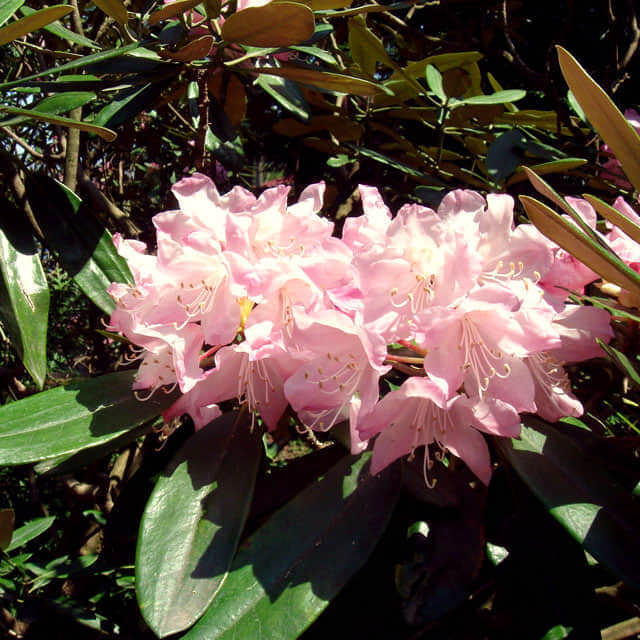
Rhododendron degronianum Brown Leaf Tips
eco Brown Leaf Tips

Rhododendron degronianum – Brown Leaf Tips

Why does your Rhododendron degronianum have brown leaf tips? Diagnose the cause and fix it with our step-by-step guide.

search Possible Causes

error

Salt Accumulation (Fertilizer Burn)

Accumulated mineral salts from fertilizers can draw moisture out of the leaf tissues through osmosis, causing characteristic browning at the distal tips. This is particularly common in Yakushima Azaleas when nitrogen-heavy fertilizers are applied to dry soil.

Very Common
lightbulb
How to confirm: Check for a white, crusty residue on the soil surface or the edges of the pot.
build How to fix it
shopping_cart Recommended Products
1 Flush the soil thoroughly with large amounts of fresh, distilled, or rainwater to leach out accumulated mineral salts from the root zone.
2 Repot the plant in fresh, well-draining soil amended with organic matter to dilute remaining salts and improve nutrient uptake.
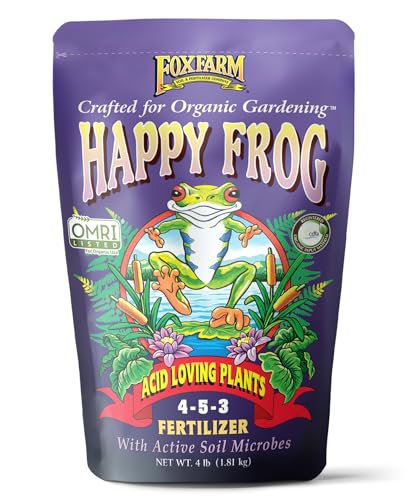
3 Avoid using high-nitrogen fertilizers for the next growing season; instead, use a specialized acid-loving fertilizer to maintain proper soil pH.
error

Water Stress (Drought/Inconsistent Moisture)

As an acid-loving species native to humid environments, R. degronianum is highly sensitive to dry soil. When moisture levels drop, the plant sacrifices the leaf tips first to conserve water in the main stem.

Very Common
lightbulb
How to confirm: Feel the soil 2cm below the surface; if it feels bone-dry despite regular watering, the roots may be dehydrated.
build How to fix it
shopping_cart Recommended Products
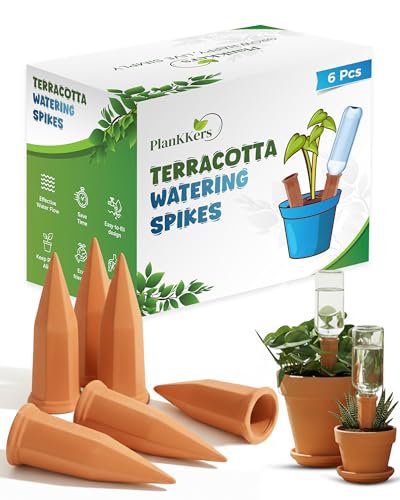
1 Check the soil moisture level immediately using a moisture meter to determine if the root zone has reached a critical dry point.
2 Establish a consistent watering schedule to prevent the soil from drying out completely, as this species requires stable humidity and moisture.
3 Apply a specialized fertilizer for acid-loving plants to help the plant recover from the stress of drought.
warning

Root Damage from Overwatering (Root Rot)

Excessive moisture leads to anaerobic conditions and fungal pathogens like Phytophthora, which damage the fine feeder roots. Once the roots cannot transport water effectively, the tips of the leaves dry out and turn brown.

Common
lightbulb
How to confirm: Gently lift the plant from its pot to check if the roots are black and slimy rather than firm and tan.
build How to fix it
shopping_cart Recommended Products
1 Immediately inspect the roots for mushy, dark, or foul-smelling decay and prune away any dead or rotting sections using sterilized tools.
2 Repot the plant in a well-draining, acidic medium specifically designed for acid-loving plants to restore oxygen to the root zone.
3 Monitor the soil moisture levels closely with a meter to ensure the substrate is allowed to dry out between waterings, preventing future anaerobic conditions.
warning

Low Humidity

R. degronianum is adapted to the high-humidity microclimates of Yakushima Island. In indoor environments or dry climates, transpiration rates exceed water uptake, leading to desiccation of the leaf margins.

Common
lightbulb
How to confirm: Observe if the browning correlates with the use of indoor heating or air conditioning.
build How to fix it
shopping_cart Recommended Products
1 Increase local humidity around the plant by using a pebble tray or a humidifier to prevent further leaf desiccation.
2 Mist the foliage regularly with a fine spray to boost ambient moisture levels.
3 Monitor soil moisture levels closely to ensure the plant remains hydrated without becoming waterlogged.

Other Rhododendron degronianum problems

Your plant might also be experiencing one of these issues:

local_hospital All symptoms eco All plants with brown leaf tips
favorite