Rhododendron degronianum Sudden Leaf Drop
eco Sudden Leaf Drop

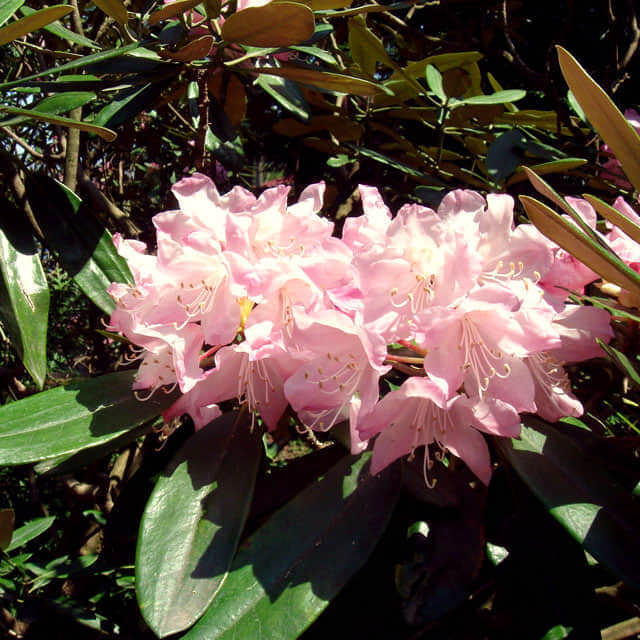
Rhododendron degronianum – Sudden Leaf Drop

Why does your Rhododendron degronianum have sudden leaf drop? Diagnose the cause and fix it with our step-by-step guide.

search Possible Causes

error

Root Rot (Phytophthora)

Excessive moisture or poor drainage in the acidic substrate can lead to fungal pathogens attacking the root system of this Yakushima native. As roots decay, the plant loses its ability to transport water, triggering an emergency leaf drop.

Very Common
lightbulb
How to confirm: Gently lift the plant from its pot to check if the roots are dark brown and slimy rather than firm and white.
build How to fix it
shopping_cart Recommended Products
1 Immediately inspect the roots for mushy, dark brown decay and prune away any dead or rotting sections using sterilized tools.
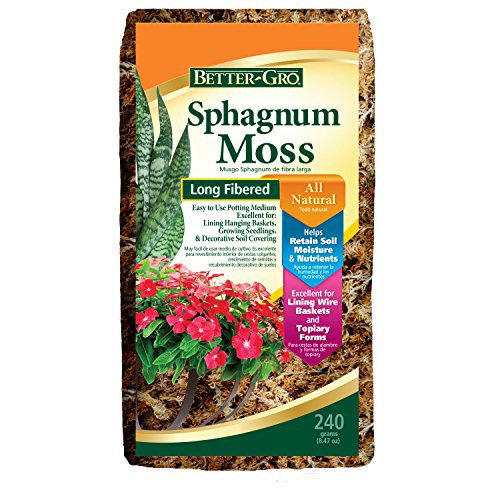
2 Repot the plant into a fresh, well-draining, acidic medium specifically designed for acid-loving plants to prevent further fungal growth.
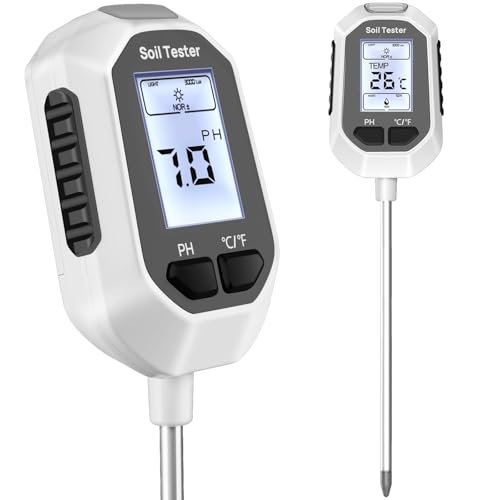
3 Ensure the new container has excellent drainage and use a moisture meter to prevent the soil from remaining waterlogged.
error

Environmental Shock (Temperature/Humidity)

Rhododendron degronianum is adapted to the humid, temperate climate of Yakushima; sudden exposure to dry air or freezing temperatures can cause physiological stress. This rapid change triggers a defense mechanism where the plant sheds leaves to conserve moisture.

Very Common
lightbulb
How to confirm: Observe if the leaf drop coincided with recent changes in indoor heating, air conditioning, or a cold snap outdoors.
build How to fix it
shopping_cart Recommended Products
1 Stabilize the environment by increasing local humidity around the plant to mimic its native temperate rainforest habitat.
2 Monitor soil moisture levels closely to ensure the plant remains hydrated without becoming waterlogged during this period of stress.
3 Avoid fertilizing the plant until new growth appears, as feeding a stressed plant can exacerbate physiological shock.
warning

Water Stress (Drought)

While they dislike waterlogging, these azaleas require consistent moisture. If the peat-based or acidic soil dries out completely, the plant will sacrifice its foliage to prevent total desiccation.

Common
lightbulb
How to confirm: Stick your finger two inches into the soil to see if it feels bone-dry and brittle.
build How to fix it
shopping_cart Recommended Products
1 Immediately check the soil moisture level using a probe to determine the depth of the drought stress.
2 Thoroughly soak the soil to restore hydration, ensuring the moisture reaches the root ball without causing waterlogging.
3 Apply a specialized fertilizer for acid-loving plants to help the plant recover from the stress and rebuild foliage.
warning

Nutrient Imbalance (Nitrogen Deficiency)

A lack of available nitrogen in acidic soils can lead to chlorosis followed by leaf abscission. This is common if the soil pH has drifted too high, making nutrients unavailable to the plant.

Common
lightbulb
How to confirm: Check if the older leaves turned pale yellow before dropping.
build How to fix it
shopping_cart Recommended Products
1 Apply an acid-loving fertilizer to restore nitrogen levels and lower soil pH to the required acidic range.
2 Check the soil pH and moisture levels to ensure the environment remains acidic and stable for nutrient uptake.
3 Mulch the base of the plant with organic matter to help maintain soil acidity and moisture retention.

Other Rhododendron degronianum problems

Your plant might also be experiencing one of these issues:

local_hospital All symptoms eco All plants with sudden leaf drop
favorite