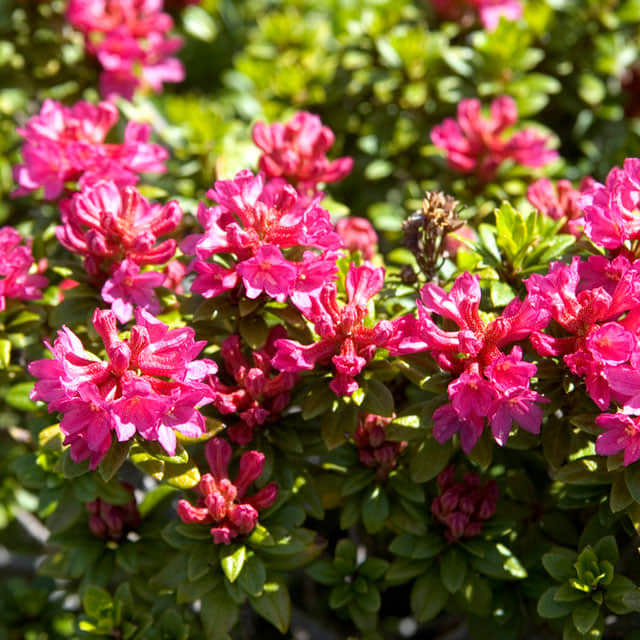
Why does your Rhododendron ferrugineum have drooping leaves? Diagnose the cause and fix it with our step-by-step guide.
As an alpine species, Rhododendron ferrugineum requires consistent moisture but is highly sensitive to anaerobic conditions. Drooping occurs when roots are either too dry to support turgor pressure or too saturated, causing root asphyxiation.
In poorly draining alpine soils, fungal pathogens can attack the root system of the Alpine Rose. This prevents the plant from transporting water to the leaves, resulting in permanent wilting or drooping even when soil is wet.
Rhododendron ferrugineum is adapted to cool alpine climates. Sudden exposure to high temperatures or intense direct sunlight in non-native environments causes rapid transpiration that the plant cannot keep up with.
If the soil pH rises above 5.5, this species cannot uptake essential micronutrients like iron. While primary symptoms are yellowing leaves, severe deficiency can lead to weakened cell structure and drooping.
Your plant might also be experiencing one of these issues:

 English
 Italiano