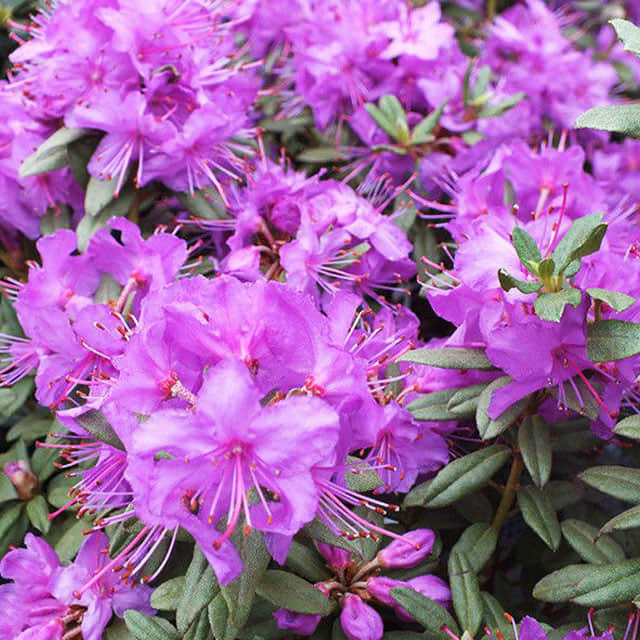
Rhododendron hippophaeoides Sudden Leaf Drop
eco Sudden Leaf Drop

Rhododendron hippophaeoides – Sudden Leaf Drop

Why does your Rhododendron hippophaeoides have sudden leaf drop? Diagnose the cause and fix it with our step-by-step guide.

search Possible Causes

error

Water Stress (Drought or Waterlogging)

Rhododendrons require consistent moisture but are highly sensitive to soil saturation. Sudden leaf drop is a common defense mechanism when the roots are either desiccated by drought or suffocating due to anaerobic conditions from overwatering.

Very Common
lightbulb
How to confirm: Insert your finger 2 inches into the soil; if it is bone dry, the plant needs water; if it is muddy/soggy, drainage is insufficient.
build How to fix it
shopping_cart Recommended Products
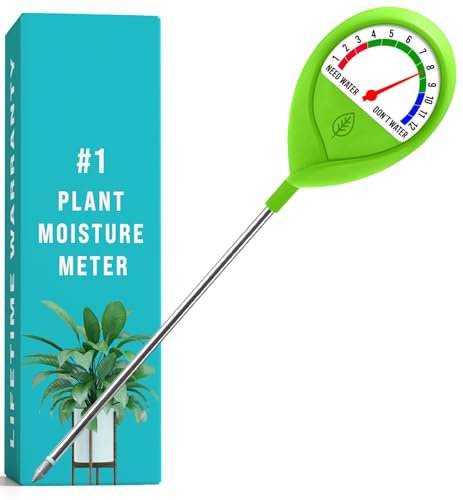
1 Check the soil moisture level immediately using a moisture meter to determine if the soil is bone-dry or completely saturated.
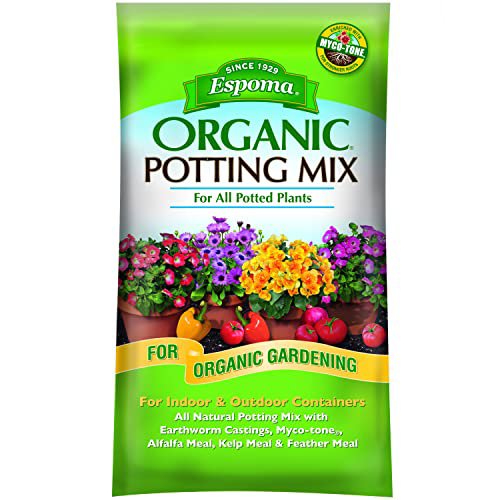
2 If the soil is waterlogged, repot the plant in a well-draining medium like Espoma Organic Potting Soil Mix to prevent root rot.
3 If the soil is desiccated, implement a consistent watering schedule and consider using a moisture-retaining amendment like Back to the Roots Organic Coconut Coir to stabilize hydration.
error

Phytophthora Root Rot

This soil-borne oomycete thrives in the cool, damp conditions often preferred by Rhododendron species. It attacks the root system, physically preventing the plant from supporting its foliage, leading to rapid wilting and leaf abscission.

Very Common
lightbulb
How to confirm: Gently lift a portion of the soil around the root zone to check for dark, slimy, or foul-smelling roots.
build How to fix it
shopping_cart Recommended Products
1 Immediately reduce watering frequency and ensure the plant is in a well-draining environment to stop the spread of the pathogen.
2 Repot the plant into a fresh, sterile medium with improved aeration, incorporating perlite to prevent future waterlogging.
3 Prune away any mushy, darkened roots and treat the remaining healthy root zone with a fungicide if necessary.
warning

Temperature Shock

Rhododendron hippophaeoides is hardy, but rapid fluctuations between extreme frost and sudden warmth can trigger a stress response. Sudden drops in temperature during bud break or unexpected heat waves cause the plant to shed leaves to conserve energy.

Common
lightbulb
How to confirm: Check recent local weather patterns for sudden temperature swings or unseasonable frost events.
build How to fix it
shopping_cart Recommended Products
1 Move the plant to a sheltered location or provide a frost blanket to protect it from further extreme temperature fluctuations.
2 Apply a mulch layer around the base of the plant to insulate the root zone and stabilize soil temperatures.
3 Monitor soil moisture levels closely to ensure the plant is not experiencing drought stress alongside the temperature shock.
warning

Nutrient Deficiency (Nitrogen/Magnesium)

While nutrient deficiency usually causes chlorosis (yellowing) first, extreme depletion in acidic-loving plants can lead to premature leaf senescence and drop. This is particularly common in depleted or highly alkaline soils.

Common
lightbulb
How to confirm: Examine the older leaves for yellowing between veins; if present, a specialized acid-loving fertilizer may be needed.
build How to fix it
shopping_cart Recommended Products
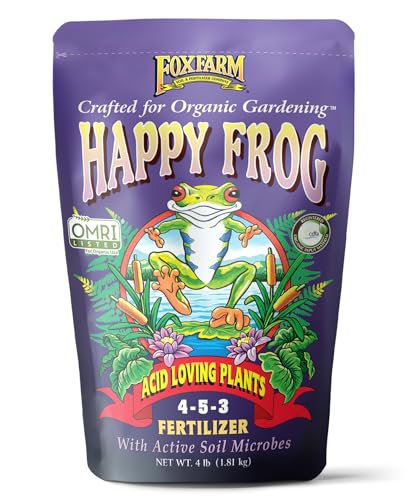
1 Apply an acid-loving plant fertilizer to restore essential nutrients and stabilize soil pH.
2 Supplement with a magnesium-rich fertilizer to address potential magnesium depletion and prevent further leaf drop.
3 Monitor soil moisture levels using an analog meter to ensure the plant is not experiencing drought stress alongside the deficiency.

Other Rhododendron hippophaeoides problems

Your plant might also be experiencing one of these issues:

local_hospital All symptoms eco All plants with sudden leaf drop
favorite