Rhododendron impeditum Brown Leaf Tips
eco Brown Leaf Tips

Rhododendron impeditum – Brown Leaf Tips

Why does your Rhododendron impeditum have brown leaf tips? Diagnose the cause and fix it with our step-by-step guide.

search Possible Causes

error

Salt Accumulation (Fertilizer Burn)

Rhododendrons are sensitive to high concentrations of salts in soil. Excess fertilizer buildup leads to osmotic stress, causing moisture to be pulled out of the leaf margins, resulting in crisp brown tips.

Very Common
lightbulb
How to confirm: Check if you have recently applied a high-nitrogen or granular fertilizer and look for white crusty deposits on the soil surface.
build How to fix it
shopping_cart Recommended Products
1 Flush the soil thoroughly with large amounts of fresh, low-mineral water to leach out accumulated fertilizer salts from the root zone.
2 Repot the plant in fresh, acid-loving soil amended with organic matter to restore a healthy pH and nutrient balance.
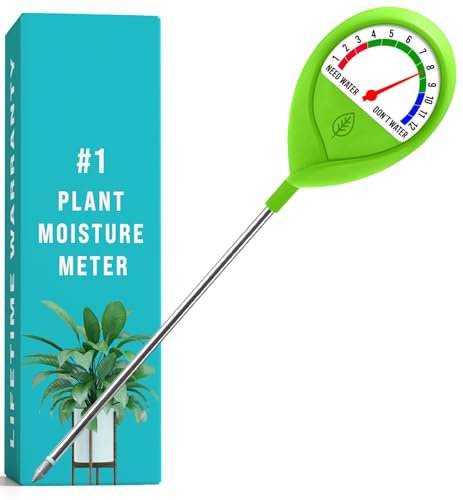
3 Monitor soil moisture levels closely using a moisture meter to ensure the plant remains hydrated without overwatering during recovery.
error

Improper Watering (Drought Stress)

As a dwarf cultivar, R. impeditum has a shallow root system that is highly susceptible to drying out. When the substrate dries completely, the plant cannot transport enough water to the leaf extremities.

Very Common
lightbulb
How to confirm: Stick your finger one inch into the soil; if it is bone dry, the plant is likely suffering from dehydration.
build How to fix it
shopping_cart Recommended Products
1 Immediately check the soil moisture level at the root zone to assess the severity of the drought stress.
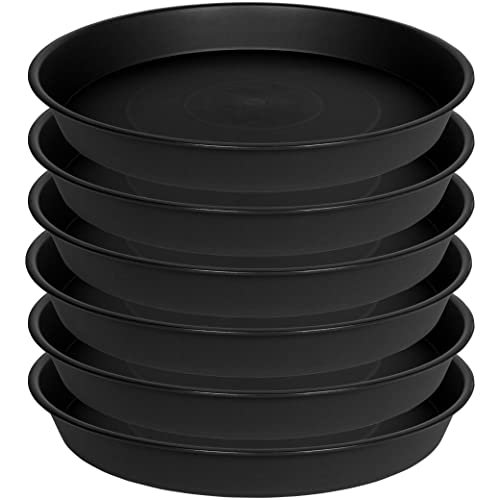
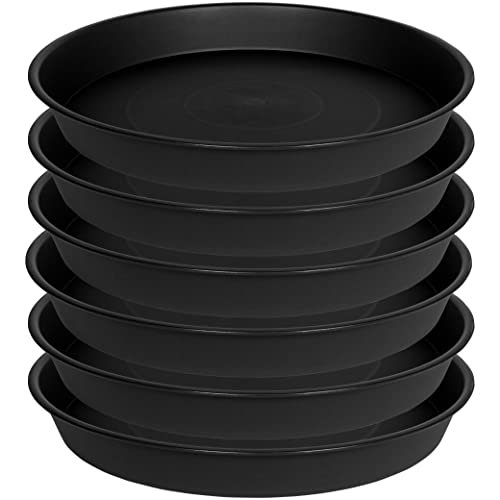
2 Apply a deep, thorough watering to ensure the shallow root system is fully saturated, and consider using a pebble tray or saucer to maintain humidity.
3 For acid-loving plants like Rhododendrons, ensure the soil remains slightly acidic and enriched with organic matter to improve water retention.
warning

Low Humidity / Dry Air

Dwarf rhododendums prefer consistent moisture in the air. In low-humidity environments or near heat sources, transpiration exceeds water uptake, leading to necrotic leaf edges.

Common
lightbulb
How to confirm: Observe if the browning is more pronounced during periods of indoor heating use or low seasonal humidity.
build How to fix it
shopping_cart Recommended Products
1 Increase local humidity around the plant by using a pebble tray or a humidifier to prevent further leaf desiccation.
2 Mist the foliage regularly with a fine spray to provide immediate moisture to the leaf surfaces.
3 Monitor soil moisture levels closely to ensure the plant remains hydrated, as dry air can accelerate soil drying.
warning

Root Rot (Phytophthora)

While brown tips often suggest drought, if the soil remains waterlogged, root decay prevents the plant from absorbing water. This paradoxically causes the leaves to look scorched or dried out.

Common
lightbulb
How to confirm: Gently lift the edge of the plant to check if the roots are dark, slimy, or emitting an unpleasant odor.
build How to fix it
shopping_cart Recommended Products
1 Inspect the soil moisture levels immediately using a moisture meter to confirm if the root zone is waterlogged.
2 Repot the Rhododendron into a well-draining medium and ensure the container has adequate drainage to prevent further root rot.
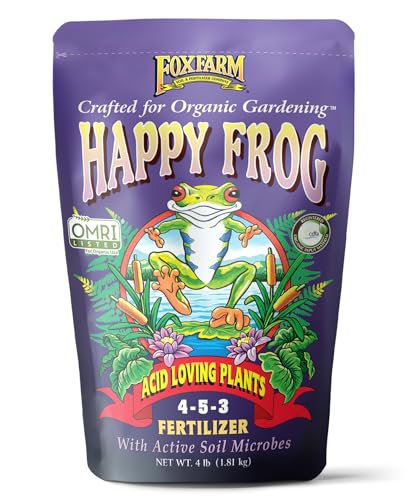
3 Apply a specialized fertilizer for acid-loving plants to help the plant recover from the stress of root decay.

Other Rhododendron impeditum problems

Your plant might also be experiencing one of these issues:

local_hospital All symptoms eco All plants with brown leaf tips
favorite