Rhododendron impeditum Sudden Leaf Drop
eco Sudden Leaf Drop

Rhododendron impeditum – Sudden Leaf Drop

Why does your Rhododendron impeditum have sudden leaf drop? Diagnose the cause and fix it with our step-by-step guide.

search Possible Causes

error

Phytophthora Root Rot

As a dwarf variety, R. impeditum is highly susceptible to soil-borne Oomycetes when drainage is poor. The pathogen attacks the root system, leading to a sudden inability to transport water to the foliage, resulting in rapid leaf abscission.

Very Common
lightbulb
How to confirm: Check if the base of the stems or the roots feel soft, slimy, or appear dark brown/black.
build How to fix it
shopping_cart Recommended Products
1 Immediately prune away any mushy, darkened, or dead roots and repot the plant in a highly aerated, well-draining medium to stop the spread of the pathogen.
2 Ensure the plant is in a container with excellent drainage and use a saucer to prevent water from pooling around the base of the stem.
3 Monitor soil moisture levels closely using a moisture meter to ensure the substrate remains damp but never waterlogged, preventing further root suffocation.
error

Water Stress (Drought or Waterlogging)

Extreme fluctuations in soil moisture can trigger a stress response in dwarf rhododendrons. Sudden leaf drop often occurs when the plant enters survival mode to prevent transpiration loss during drought, or when suffocated by anaerobic conditions from overwatering.

Very Common
lightbulb
How to confirm: Insert your finger 2 inches into the soil to check if it is bone-dry or saturated/muddy.
build How to fix it
shopping_cart Recommended Products
1 Check the soil moisture level at the root zone using a moisture meter to determine if the plant is suffering from drought or waterlogging.
2 If the soil is bone dry, provide a deep, slow watering; if the soil is saturated, ensure the pot has excellent drainage and consider repotting in a well-aerated medium containing perlite.
3 Apply a balanced organic fertilizer to help the plant recover from the stress once moisture levels have stabilized.
warning

Temperature Shock / Frost Damage

R. impeditum can be sensitive to rapid temperature swings, especially late spring frosts or extreme summer heatwaves. Sudden drops in temperature can damage leaf tissue, causing the plant to shed leaves to protect its core structure.

Common
lightbulb
How to confirm: Review recent weather logs for any sudden frost events or temperatures exceeding 90°F (32°C).
build How to fix it
shopping_cart Recommended Products
1 Protect the plant from further temperature fluctuations by covering it with a frost blanket or burlap during cold snaps.
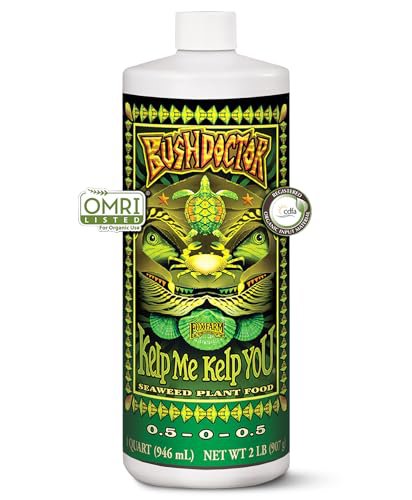
2 Apply a liquid seaweed fertilizer to help the plant recover from environmental stress and boost nutrient uptake.
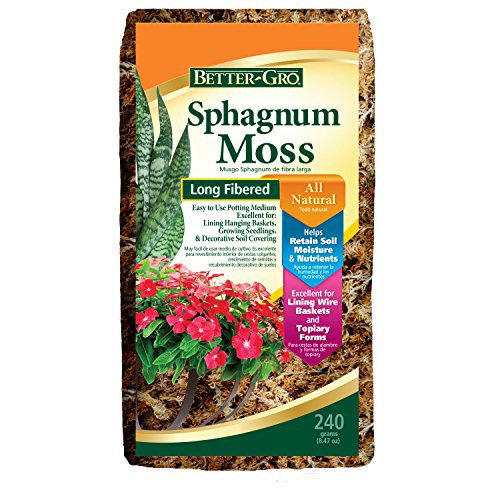
3 Mulch the base of the plant with organic matter to insulate the root zone against extreme temperature swings.
warning

Root Bound/Container Constriction

If grown in a small pot, the root mass may have become so dense that it can no longer support the foliage. This lack of rhizosphere space prevents nutrient and water uptake, leading to sudden senescence and leaf drop.

Common
lightbulb
How to confirm: Gently lift the plant from its container to see if roots are circling tightly around the inside of the pot.
build How to fix it
shopping_cart Recommended Products
1 Gently remove the plant from its current container to inspect the root mass for circling or dense root mats.
2 Repot the Rhododendron into a larger container with a fresh, well-draining medium to provide more rhizosphere space.
3 Use an acid-loving fertilizer to help the plant recover and support new growth in its new environment.

Other Rhododendron impeditum problems

Your plant might also be experiencing one of these issues:

local_hospital All symptoms eco All plants with sudden leaf drop
favorite