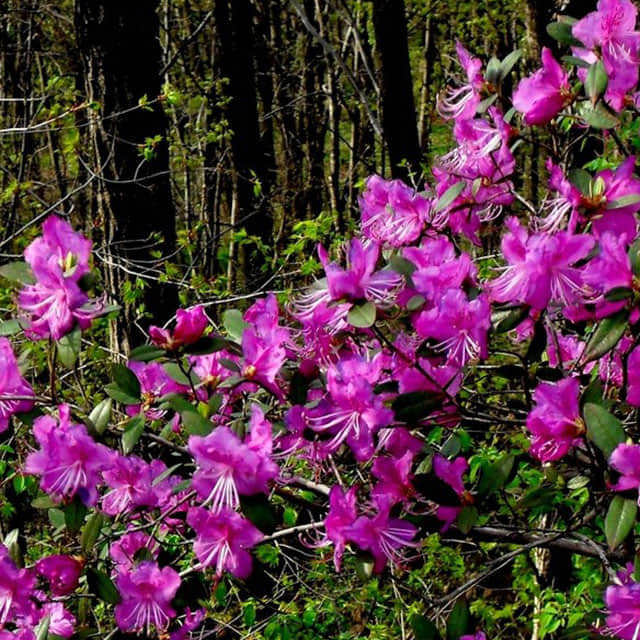
Rhododendron kaempferi Fine Webbing
eco Fine Webbing

Rhododendron kaempferi – Fine Webbing

Why does your Rhododendron kaempferi have fine webbing? Diagnose the cause and fix it with our step-by-step guide.

search Possible Causes

error

Two-Spotted Spider Mite Infestation

Spider mites thrive in the warm, dry conditions often experienced by Rhododendron kaempferi. They pierce plant cells to suck out contents, leaving behind fine silken webs and stippled appearance on the leaves.

Very Common
lightbulb
How to confirm: Hold a white piece of paper under a leaf and tap the leaf to see if tiny crawling dots fall onto the paper.
build How to fix it
shopping_cart Recommended Products
1 Apply an organic miticide to eliminate the spider mite population and destroy eggs, larvae, and adults.
2 Increase humidity around the plant and ensure the soil remains moist, as spider mites thrive in dry environments.
3 Prune and dispose of heavily infested or dead foliage to prevent the mites from spreading to healthy parts of the plant.
error

Tetranychus urticae (European Red Spider Mite)

A specific, highly aggressive subspecies of spider mite that is particularly common in ornamental azaleas. It causes rapid yellowing and dense webbing that can eventually lead to leaf drop.

Very Common
lightbulb
How to confirm: Inspect the undersides of the leaves for tiny reddish or orange dots moving among the webs.
build How to fix it
shopping_cart Recommended Products
1 Apply an organic miticide or insecticide to eliminate the spider mite population and destroy eggs/larvae.
2 Increase humidity around the plant by misting the foliage regularly, as spider mites thrive in dry conditions.
3 Prune and dispose of heavily infested or dead leaves to prevent the mites from spreading to healthy parts of the plant.
warning

Edema (Physiological Stress)

While not a direct cause of webbing, extreme fluctuations in moisture in Pincushion Azaleas can cause cells to burst. This tissue damage can sometimes trap dust or debris that resembles fine web-like patterns on the leaf surface.

Common
lightbulb
How to confirm: Look for small, raised, corky bumps or blisters on the leaf edges alongside the webbing.
build How to fix it
shopping_cart Recommended Products
1 Stabilize moisture levels by ensuring consistent soil hydration and avoiding extreme fluctuations between bone-dry and waterlogged conditions.
2 Inspect the undersides of leaves for actual pests like spider mites, which are the primary cause of true webbing; if pests are found, treat with an organic insecticide.
3 For acid-loving plants like Rhododendrons, ensure the soil pH remains low and use a specialized fertilizer to support plant resilience.

Other Rhododendron kaempferi problems

Your plant might also be experiencing one of these issues:

local_hospital All symptoms eco All plants with fine webbing
favorite