Rhododendron kaempferi Yellow Leaves
eco Yellow Leaves

Rhododendron kaempferi – Yellow Leaves

Why does your Rhododendron kaempferi have yellow leaves? Diagnose the cause and fix it with our step-by-step guide.

search Possible Causes

error

Iron Chlorosis

Azaleas are acid-loving plants; if the soil pH rises above 5.5, the plant cannot absorb iron, leading to interveinal yellowing while veins remain green. This is the most common cause of yellowing in Rhododendron kaempferi.

Very Common
lightbulb
How to confirm: Check if the newest leaves are turning yellow while the veins stay dark green.
build How to fix it
shopping_cart Recommended Products
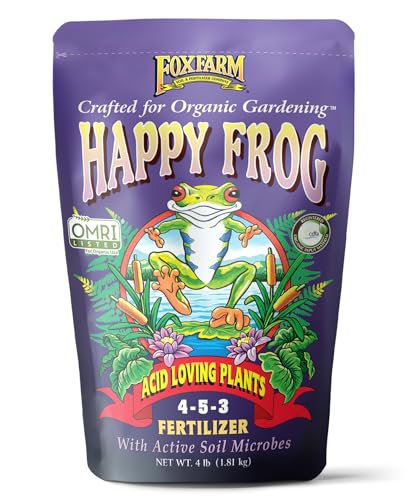
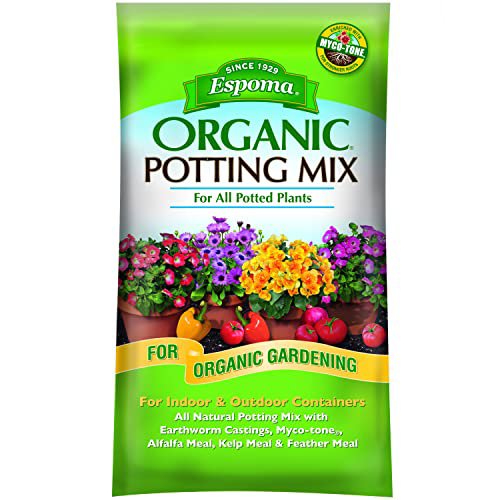
1 Apply an acid-loving fertilizer to lower the soil pH and provide necessary nutrients for iron uptake.
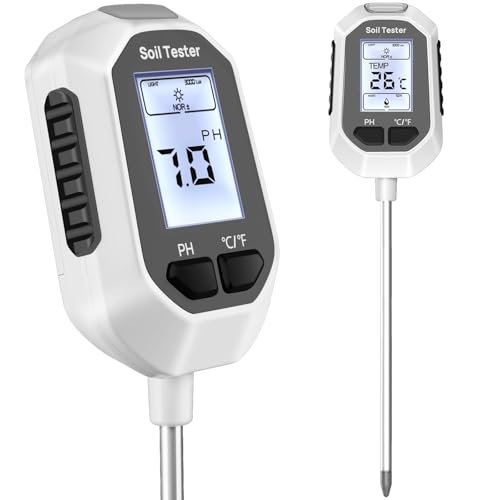
2 Check the soil pH regularly using a meter to ensure it remains in the acidic range (between 4.5 and 5.5) for optimal iron availability.
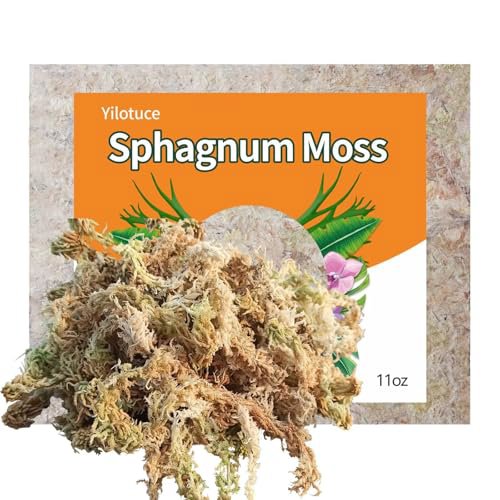
3 Amend the soil with organic matter like sphagnum moss to help maintain acidity and moisture levels.
error

Overwatering and Root Rot

Rhododendrons have shallow, fibrous root systems that are highly susceptible to suffocation. Excessive moisture leads to Phytophthora or Pythium infections, causing leaves to turn yellow and eventually drop.

Very Common
lightbulb
How to confirm: Inspect the roots for a dark brown, slimy texture and check if the soil stays saturated for long periods.
build How to fix it
shopping_cart Recommended Products
1 Immediately stop watering and allow the soil to dry out significantly to prevent further root suffocation.
2 Repot the plant in a well-draining, acidic medium and consider adding perlite to improve aeration and prevent future rot.
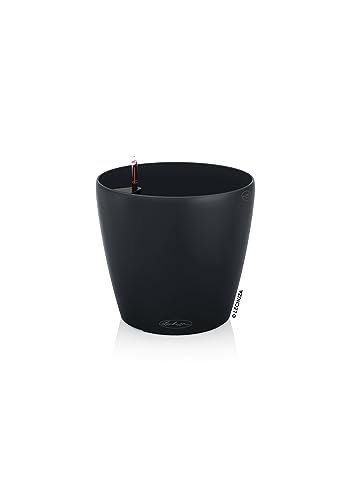
3 Prune away any mushy, blackened roots and replace the existing pot with one that has superior drainage, such as a Lechuza self-watering planter with a drainage plug.
warning

Nitrogen Deficiency

A lack of nitrogen prevents the production of chlorophyll, resulting in a uniform yellowing of older leaves. This often occurs in depleted or highly leached acidic soils used for container-grown azaleas.

Common
lightbulb
How to confirm: Observe if the yellowing starts on the oldest leaves at the base of the plant first.
build How to fix it
shopping_cart Recommended Products
1 Apply a nitrogen-rich organic fertilizer to replenish the soil nutrients and restore chlorophyll production.
2 Amend the existing soil with a specialized acid-loving fertilizer to maintain the low pH required by Rhododendrons.
3 Check the soil moisture levels to ensure that nitrogen is not being leached away by overwatering.
warning

Root Bound Stress

If planted in a container that is too small, the dense root mass prevents water and nutrient infiltration. This physiological stress manifests as general chlorosis and stunted growth in Pincushion Azaleas.

Common
lightbulb
How to confirm: Gently lift the plant from its pot to see if the roots are circling tightly around the interior walls.
build How to fix it
shopping_cart Recommended Products
1 Repot the plant into a larger container to provide room for root expansion and prevent further constriction.
2 Use a fresh, high-quality potting medium enriched with organic matter to ensure nutrient availability.
3 Gently loosen the dense root mass during repotting and ensure the new pot has excellent drainage to prevent waterlogging.

Other Rhododendron kaempferi problems

Your plant might also be experiencing one of these issues:

local_hospital All symptoms eco All plants with yellow leaves
favorite