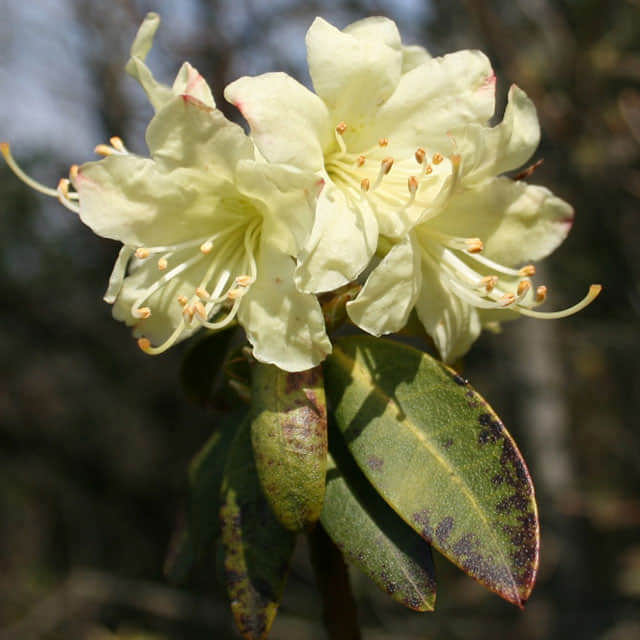
Rhododendron keiskei Drooping Leaves
eco Drooping Leaves

Rhododendron keiskei – Drooping Leaves

Why does your Rhododendron keiskei have drooping leaves? Diagnose the cause and fix it with our step-by-step guide.

search Possible Causes

error

Root Rot (Phytophthora)

Excessive moisture in the substrate causes oxygen deprivation to the roots, leading to fungal infection. This prevents the plant from transporting water to the foliage, resulting in wilting despite wet soil.

Very Common
lightbulb
How to confirm: Gently lift the plant from its pot to check if the roots are dark brown and slimy rather than firm and white.
build How to fix it
shopping_cart Recommended Products
1 Immediately remove the plant from its current container and prune away any mushy, black, or foul-smelling roots caused by the Phytophthora infection.
2 Repot the Rhododendron in a highly aerated, well-draining substrate to restore oxygen to the root zone; a mix containing perlite or orchid bark is ideal.
3 Ensure the new container has excellent drainage and use a moisture meter to prevent future overwatering by only watering when the top inch of soil is dry.
error

Water Stress (Drought)

Rhododendron keiskei thrives in consistently moist, acidic environments. If the soil dries out completely, the plant loses turgor pressure, causing the leaves to lose their structure and droop.

Very Common
lightbulb
How to confirm: Stick your finger an inch into the soil to determine if the medium has become desiccated or hydrophobic.
build How to fix it
shopping_cart Recommended Products
1 Immediately check the soil moisture level using a moisture meter to confirm the depth of the drought.
2 Thoroughly water the plant until water drains from the bottom, ensuring the root ball is fully saturated.
3 Apply a specialized acid-loving fertilizer to help the plant recover from the stress of dehydration.
warning

Temperature Stress (Heat Scorch)

High ambient temperatures can cause rapid transpiration that exceeds the plant's ability to absorb water. This is particularly common if the plant is in direct, intense sunlight during midday.

Common
lightbulb
How to confirm: Check if the drooping is accompanied by browning or crispy edges on the leaf margins.
build How to fix it
shopping_cart Recommended Products
1 Move the plant to a shaded or cooler location to reduce transpiration and protect leaves from intense midday sun.
2 Monitor soil hydration levels closely to ensure the plant can replace water lost to heat; use a moisture meter to prevent dehydration.
3 Apply a mulch layer or use a moisture-retaining substrate like sphagnum moss around the base to help keep the root zone cool.
warning

Nutrient Deficiency (Iron Chlorosis)

In high pH soils, Rhododendron keiskei cannot uptake essential micronutrients like iron. While primarily characterized by yellowing leaves, severe deficiency can lead to overall reduced vigor and drooping.

Common
lightbulb
How to confirm: Examine the leaves for interveinal chlorosis (yellow leaves with green veins) alongside the wilting.
build How to fix it
shopping_cart Recommended Products
1 Lower the soil pH by applying an acid-loving fertilizer to ensure iron availability.
2 Check soil moisture levels with a meter to ensure the drooping isn't actually caused by drought or waterlogging.
3 Amend the soil with organic matter to improve nutrient uptake and soil structure.

Other Rhododendron keiskei problems

Your plant might also be experiencing one of these issues:

local_hospital All symptoms eco All plants with drooping leaves
favorite