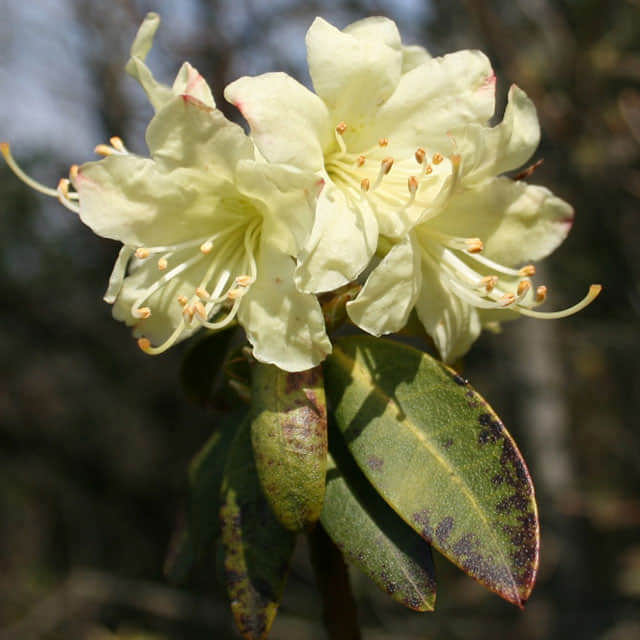
Why does your Rhododendron keiskei have sudden leaf drop? Diagnose the cause and fix it with our step-by-step guide.
Rhododendron keiskei requires well-draining, acidic soil; prolonged saturation leads to waterlogging and fungal pathogens that destroy the fine feeder roots. This sudden loss of root function prevents water transport, causing the plant to shed leaves rapidly to conserve moisture.
As an alpine-leaning species, sudden exposure to extreme heat or intense direct afternoon sun can cause physiological stress. Rapid changes in ambient temperature or a sudden move from shade to full sun trigger a defense mechanism resulting in abscission.
While they dislike soggy feet, Rhododendrons have shallow root systems that are highly susceptible to drying out completely. A period of severe drought causes the plant to shed older leaves to reduce transpiration surface area.
A lack of available nitrogen, particularly in overly alkaline soils where uptake is inhibited, can cause chlorosis and subsequent leaf drop. This is often accompanied by leaves turning pale yellow before falling.
Your plant might also be experiencing one of these issues:

 English
 Italiano