Rhododendron molle Drooping Leaves
eco Drooping Leaves

Rhododendron molle – Drooping Leaves

Why does your Rhododendron molle have drooping leaves? Diagnose the cause and fix it with our step-by-step guide.

search Possible Causes

error

Water Stress (Drought or Overwatering)

Rhododendron molle requires consistent moisture but is highly susceptible to root hypoxia. Drooping occurs either because the soil is too dry for transpiration or because the roots have rotted due to saturated soil, preventing water uptake.

Very Common
lightbulb
How to confirm: Stick your finger two inches into the soil; if it is bone dry, the plant needs water, but if it is soggy and smells sour, you are overwatering.
build How to fix it
shopping_cart Recommended Products
1 Check the soil moisture level at least 2 inches deep using a moisture meter to determine if the plant is suffering from drought or root rot.
2 If the soil is bone dry, thoroughly water the plant; if the soil is saturated, allow it to dry out and ensure the pot has excellent drainage to prevent further root hypoxia.
3 If overwatering is confirmed, repot the Rhododendron in a well-aerated medium like a mix containing perlite or orchid bark to improve oxygen to the roots.
error

Phytophthora Root Rot

This soil-borne oomycete specifically targets the root systems of Rhododendrons in poorly draining soils. As the vascular system fails, the leaves lose turgor pressure and begin to wilt even when soil moisture is adequate.

Very Common
lightbulb
How to confirm: Gently lift the edge of the root ball to check if the roots are dark, slimy, or decaying instead of being firm and white.
build How to fix it
shopping_cart Recommended Products
1 Immediately prune away any mushy, darkened, or dead roots and stems to prevent the spread of the pathogen.
2 Repot the plant in a highly aerated, well-draining medium to reduce moisture retention around the root zone.
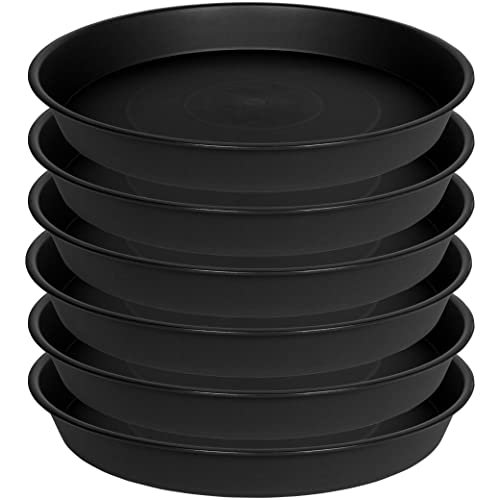
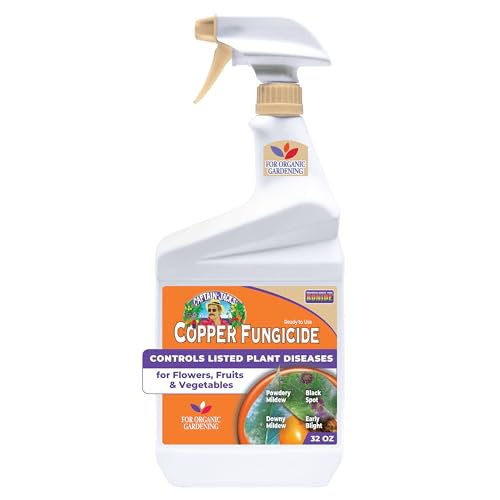
3 Apply a fungicide treatment and ensure the plant is in a container with excellent drainage, such as a Root & Vessel pot with an integrated tray.
warning

Root Injury or Transplant Shock

Soft-leaved Rhododendrons have relatively shallow, sensitive root systems. Recent movement or disturbance to the root architecture can disrupt the plant's ability to transport water to the canopy.

Common
lightbulb
How to confirm: Check if the plant was recently repotted or if heavy digging occurred near its base in the last few weeks.
build How to fix it
shopping_cart Recommended Products
1 Minimize further stress by avoiding heavy fertilization or repotting until new growth appears and the plant stabilizes.
2 Maintain consistent moisture levels without waterlogging the soil; use a moisture meter to ensure the root zone stays damp but not saturated.
3 Apply a microbial-based liquid fertilizer to support root zone recovery and stimulate new root development.
warning

Extreme Temperature Fluctuations

Rhododendron molle can experience physiological wilting during sudden heat waves or intense direct afternoon sun, especially if the soil temperature rises too quickly.

Common
lightbulb
How to confirm: Observe if the drooping recovers overnight when temperatures drop and humidity rises.
build How to fix it
shopping_cart Recommended Products
1 Provide immediate relief by moving the plant to a shaded area or a location with more stable, cooler temperatures to prevent further physiological wilting.
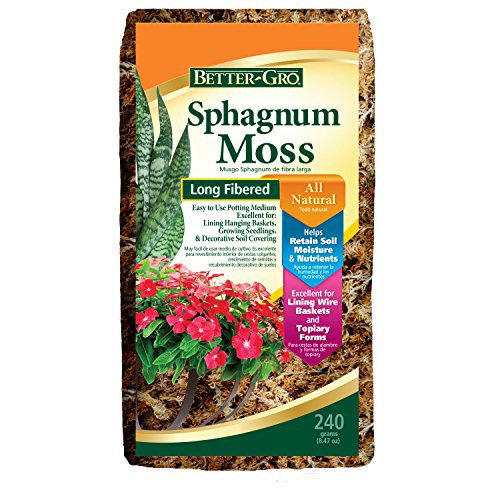
2 Apply a layer of organic mulch around the base of the plant to insulate the root zone and prevent rapid soil temperature spikes.
3 Monitor soil moisture levels closely using a moisture meter to ensure the plant remains hydrated during heat waves without becoming waterlogged.

Other Rhododendron molle problems

Your plant might also be experiencing one of these issues:

local_hospital All symptoms eco All plants with drooping leaves
favorite