Rhododendron molle Sudden Leaf Drop
eco Sudden Leaf Drop

Rhododendron molle – Sudden Leaf Drop

Why does your Rhododendron molle have sudden leaf drop? Diagnose the cause and fix it with our step-by-step guide.

search Possible Causes

error

Root Rot (Phytophthora)

Excessive moisture or poorly draining soil can trigger Phytophthora species, which are particularly devastating to Rhododendrons. This fungal pathogen destroys the fine feeder roots, causing the plant to shed leaves rapidly as it loses the ability to transport water.

Very Common
lightbulb
How to confirm: Gently lift a small area of soil around the root ball to check for dark, mushy, or foul-smelling roots.
build How to fix it
shopping_cart Recommended Products
1 Immediately inspect the root system for mushy, dark brown roots and prune away any decayed tissue using sterilized tools.
2 Repot the plant in a highly aerated, well-draining medium specifically designed for acid-loving plants, incorporating perlite to prevent future waterlogging.
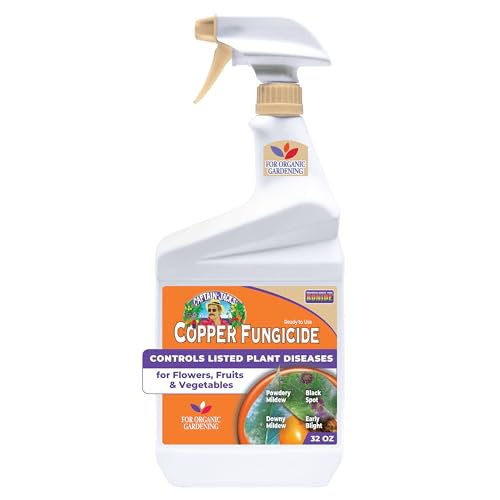
3 Apply a fungicide treatment to protect remaining healthy tissues and ensure the plant is in a well-ventilated area to reduce humidity.
error

Extreme Drought Stress

Rhododendron molle has thinner leaves compared to other species, making it highly susceptible to transpiration loss. If the soil dries out completely, the plant will drop leaves as a survival mechanism to reduce surface area and conserve moisture.

Very Common
lightbulb
How to confirm: Check the soil depth at least 2 inches down; if it is bone dry and leaves feel brittle, drought is likely.
build How to fix it
shopping_cart Recommended Products
1 Immediately check the soil moisture level at the root zone to confirm the extent of the drought.
2 Deeply water the plant to saturate the root ball, ensuring water reaches the bottom of the container or root system.
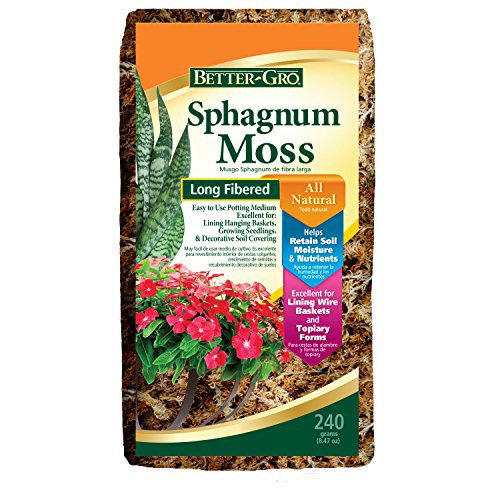
3 Apply a mulch layer or use a moisture-retaining substrate like sphagnum moss to help prevent future rapid evaporation.
warning

Temperature Fluctuations (Cold Shock or Heat Stress)

Rapid changes in temperature, such as a late spring frost or an unexpected heatwave, can cause physiological shock. This disrupts the plant's metabolic processes, leading to premature leaf abscission.

Common
lightbulb
How to confirm: Review local weather patterns over the last 72 hours for sudden spikes or drops in temperature.
build How to fix it
shopping_cart Recommended Products
1 Stabilize the plant's environment by moving it to a sheltered location away from direct drafts, frost, or intense heat waves.
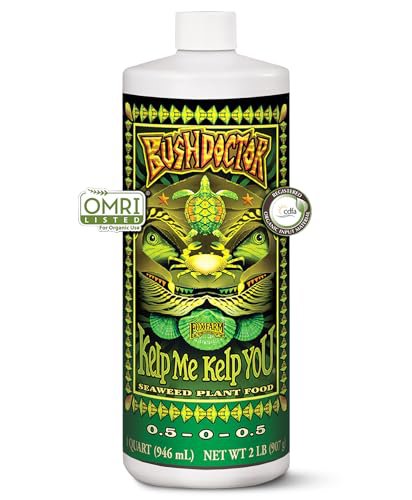
2 Apply a liquid seaweed fertilizer to help the plant recover from physiological stress and boost metabolic resilience.
3 Mulch the base of the plant with organic matter to insulate the root zone against future temperature swings.
warning

Nutrient Deficiency (Nitrogen)

A lack of available nitrogen prevents the plant from maintaining chlorophyll and healthy leaf tissue. While usually a slower process, severe deficiency during active growth periods can lead to significant leaf loss.

Common
lightbulb
How to confirm: Observe if the older leaves turned pale yellow before dropping, which is a classic sign of nitrogen deficiency.
build How to fix it
shopping_cart Recommended Products
1 Apply a nitrogen-rich organic fertilizer to boost chlorophyll production and support new leaf growth.
2 Ensure the plant is in acidic soil, as Rhododendrons require a low pH to effectively absorb nutrients like nitrogen.
3 Monitor soil moisture levels with a meter to ensure the roots are not experiencing stress from overwatering, which can mimic deficiency symptoms.

Other Rhododendron molle problems

Your plant might also be experiencing one of these issues:

local_hospital All symptoms eco All plants with sudden leaf drop
favorite