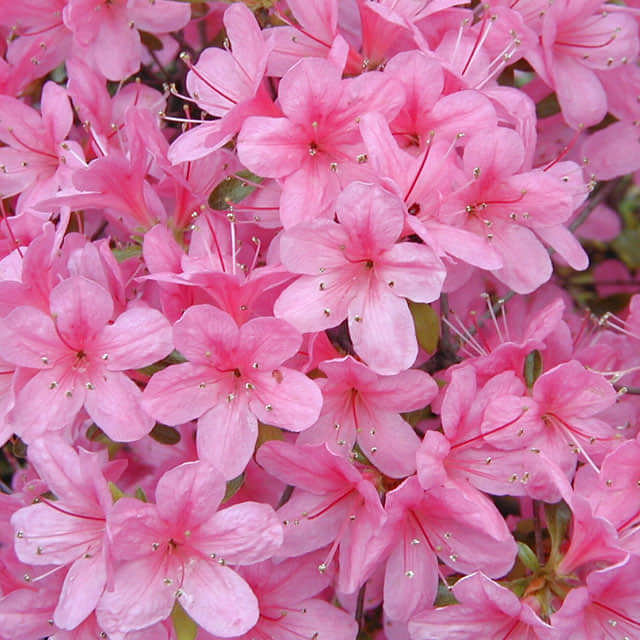
Why does your Rhododendron obtusum have sudden leaf drop? Diagnose the cause and fix it with our step-by-step guide.
Japanese Azaleas have shallow, fibrous root systems that are highly sensitive to moisture fluctuations. Rapid leaf drop is a common defense mechanism when roots suffer from dehydration or oxygen deprivation due to waterlogged soil.
Excessive moisture in acidic-loving species like R. obtusum promotes fungal pathogens that attack the fine feeder roots. As the root system fails, the plant cannot support foliage, leading to sudden wilting and abscission.
Sudden shifts in ambient temperature, particularly late spring frosts or intense heat waves, can trigger a stress response. This causes the plant to shed leaves to conserve moisture and energy during extreme environmental changes.
While less 'sudden' than water stress, a lack of available nitrogen in acidic soils can lead to chlorosis and eventual leaf drop. This is common if the soil pH has drifted too high, making nutrients unavailable to the azalea.
Your plant might also be experiencing one of these issues:

 English
 Italiano