Why does your Rhododendron obtusum have yellow leaves? Diagnose the cause and fix it with our step-by-step guide.
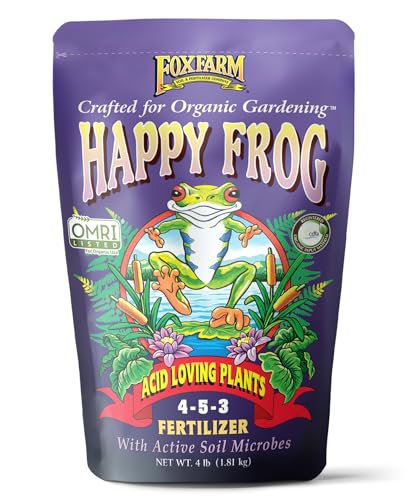
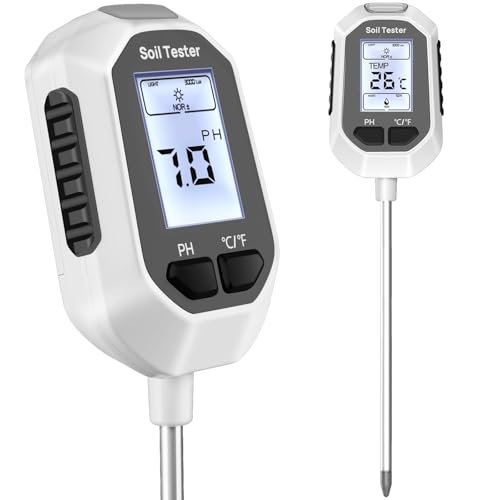
Japanese Azaleas are acid-loving plants; if the soil pH rises above 5.5, they cannot absorb iron. This results in interveinal chlorosis where leaves turn yellow while veins remain dark green.
Rhododendron obtusum requires well-draining, organic-rich soil. Constant moisture leads to anaerobic conditions in the root zone, causing foliage to turn pale yellow and eventually drop.
A lack of nitrogen in the potting medium prevents the formation of chlorophyll. Unlike iron chlorosis, this typically causes a uniform yellowing starting from the older, bottom leaves first.
Fungal pathogens like Phytophthora thrive in heavy, wet soils typical of poorly drained azalea beds. This destroys the fine feeder roots, leading to systemic yellowing and wilting.
Your plant might also be experiencing one of these issues:

 English
 Italiano