Rhododendron periclymenoides Fine Webbing
eco Fine Webbing

Rhododendron periclymenoides – Fine Webbing

Why does your Rhododendron periclymenoides have fine webbing? Diagnose the cause and fix it with our step-by-step guide.

search Possible Causes

error

Spider Mites (Tetranychidae)

Spider mites thrive in the warm, dry conditions often experienced by Pinxterbloom Azaleas, feeding on the undersides of leaves and injecting toxins. This activity creates the characteristic fine silk webbing used for movement and protection across the foliage.

Very Common
lightbulb
How to confirm: Hold a white piece of paper under a leaf and tap it to see if tiny specks begin to crawl.
build How to fix it
shopping_cart Recommended Products
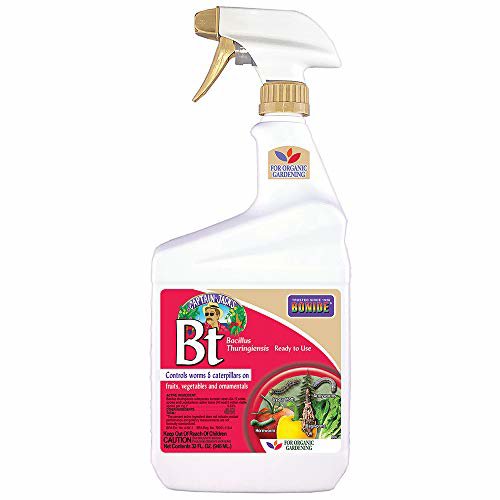
1 Apply an organic insecticide/miticide spray to the plant, ensuring you thoroughly coat the undersides of the leaves where mites reside.
2 Increase local humidity around the plant and avoid leaving it in hot, dry air, as spider mites thrive in arid conditions.
3 Prune and dispose of heavily infested or dead foliage to prevent the mites from spreading to healthy parts of the plant.
error

Two-Spotted Spider Mite Infestation

A specific subset of mites that often target Ericaceous plants like Rhododendron when humidity levels drop. They cause stippling (small yellow dots) on the leaves in addition to the webbing.

Very Common
lightbulb
How to confirm: Inspect the leaf undersides for tiny, moving reddish or yellowish dots near the webbing.
build How to fix it
shopping_cart Recommended Products
1 Apply an organic miticide/insecticide spray to the plant to eliminate the spider mite population and destroy eggs.
2 Increase ambient humidity around the plant to make the environment less hospitable for spider mites.
3 Gently wipe the leaves with a damp cloth to physically remove webbing and any remaining mites.
warning

Webbing Moths/Caterpillar Silk

Certain lepidoptera larvae create silk structures to protect themselves while feeding on tender new growth of Rhododendron. Unlike mite webbing, this is often thicker and accompanied by visible chewed leaf edges.

Common
lightbulb
How to confirm: Gently pull the web apart to check for the presence of small green or brown caterpillars inside.
build How to fix it
shopping_cart Recommended Products
1 Inspect the plant for visible caterpillars or larvae and manually remove them from the foliage to stop immediate feeding damage.
2 Apply an organic insecticide to target any remaining larvae and prevent further silk structure formation.
3 Prune away heavily chewed or silk-covered stems to prevent the infestation from spreading to healthy new growth.

Other Rhododendron periclymenoides problems

Your plant might also be experiencing one of these issues:

local_hospital All symptoms eco All plants with fine webbing
favorite