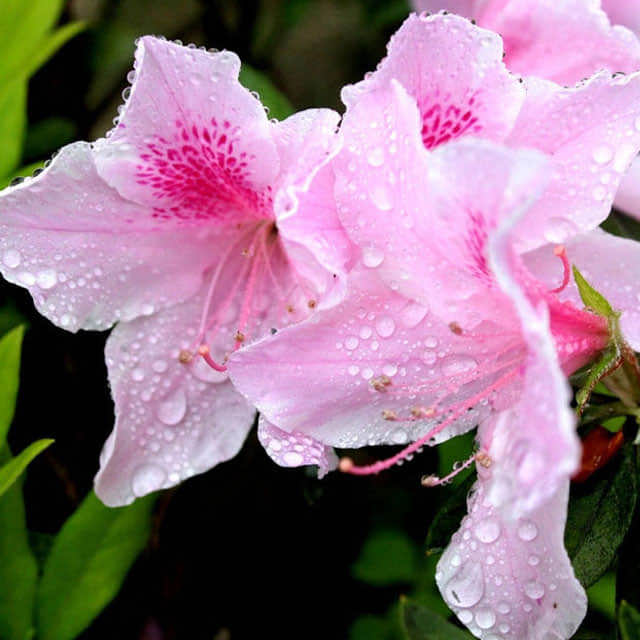
Why does your Rhododendron periclymenoides have tiny black flies? Diagnose the cause and fix it with our step-by-step guide.
The tiny black flies are likely fungus gnat larvae or adults, which thrive in the consistently moist, organic-rich soil that Rhododendrons prefer. The adults emerge to mate, while the larvae feed on fungal mycelium and can occasionally damage delicate pinxterbloom root hairs.
Overwatering or poor drainage in the acidic substrate creates an ideal breeding ground for dipteran pests. If the peat-heavy mix stays saturated, it promotes both fungal growth and gnat populations.
An excess of decomposing leaf litter or uncomposted mulch around the base of the Azalea can host high populations of soil-dwelling insects. These flies are attracted to the nitrogenous breakdown occurring in the surface layer.
Your plant might also be experiencing one of these issues:

 English
 Italiano