Rhododendron ponticum Drooping Leaves
eco Drooping Leaves

Rhododendron ponticum – Drooping Leaves

Why does your Rhododendron ponticum have drooping leaves? Diagnose the cause and fix it with our step-by-step guide.

search Possible Causes

error

Phytophthora Root Rot

Oomycete pathogens like Phytophthora species attack the root system of R. ponticum, causing the plant to lose its ability to transport water to the foliage. This results in sudden or progressive drooping even when soil moisture is present.

Very Common
lightbulb
How to confirm: Inspect the base of the stem and roots for dark, water-soaked lesions or a foul odor in the soil.
build How to fix it
shopping_cart Recommended Products
1 Immediately prune away any heavily decayed or mushy roots and stems to prevent the spread of the pathogen.
2 Repot the plant in a highly aerated, well-draining medium to reduce moisture retention around the roots.
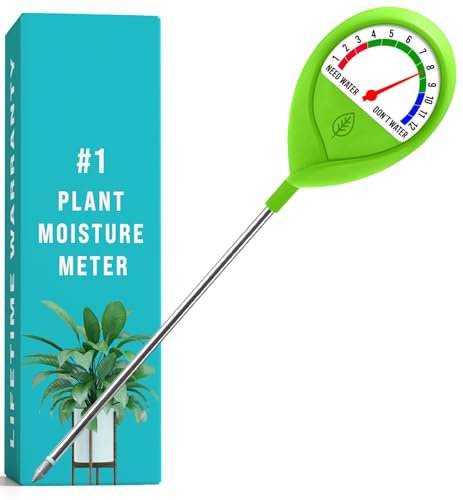
3 Apply a fungicide treatment and ensure the soil is not waterlogged; use a moisture meter to monitor and prevent overwatering.
error

Drought Stress

As an evergreen shrub with relatively shallow root systems, R. ponticum is highly sensitive to dry spells. Lack of consistent moisture leads to loss of turgor pressure in the leaves, causing them to wilt and droop.

Very Common
lightbulb
How to confirm: Check the depth of moisture in the soil around the root ball during a period of drooping.
build How to fix it
shopping_cart Recommended Products
1 Immediately check the soil moisture level at the root zone to confirm the depth of the drought.
2 Apply a deep, slow watering to the base of the plant to ensure moisture reaches the shallow root system.
3 Apply a layer of organic mulch around the base to help retain soil moisture and regulate temperature.
warning

Root Desiccation from Transplant Shock

If recently moved, the fine feeder roots of R. ponticum may have been damaged, preventing effective water uptake. This physiological stress manifests as wilting of the upper canopy.

Common
lightbulb
How to confirm: Evaluate if the drooping coincided with recent movement or heavy digging near the plant's root zone.
build How to fix it
shopping_cart Recommended Products
1 Apply a liquid seaweed fertilizer to stimulate root development and help the plant recover from transplant stress.
2 Monitor soil moisture levels closely with a moisture meter to ensure the root zone remains consistently damp but not waterlogged.
3 Mulch the base of the plant with organic matter to help retain soil moisture and regulate temperature around the recovering roots.
warning

Excessive Soil Alkalinity

Rhododendrons are acid-loving plants; high soil pH prevents the uptake of essential micronutrients like iron. While typically causing chlorosis, extreme nutrient lockout can lead to overall plant vigor loss and drooping.

Common
lightbulb
How to confirm: Test the soil pH to ensure it remains in the acidic range (typically 4.5 to 5.5).
build How to fix it
shopping_cart Recommended Products
1 Apply an acidifying soil amendment to lower the pH level, specifically targeting the root zone to facilitate nutrient uptake.
2 Supplement with a specialized acid-loving fertilizer to provide essential micronutrients like iron that are currently being blocked by the high alkalinity.
3 Monitor the soil moisture levels using a meter to ensure the plant is not also suffering from water stress, which can exacerbate drooping.

Other Rhododendron ponticum problems

Your plant might also be experiencing one of these issues:

local_hospital All symptoms eco All plants with drooping leaves
favorite