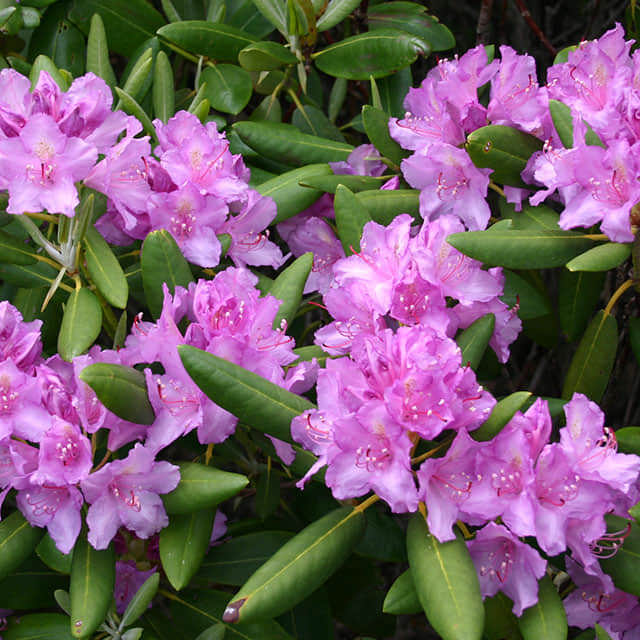
Rhododendron ponticum Sudden Leaf Drop
eco Sudden Leaf Drop

Rhododendron ponticum – Sudden Leaf Drop

Why does your Rhododendron ponticum have sudden leaf drop? Diagnose the cause and fix it with our step-by-step guide.

search Possible Causes

error

Phytophthora Root Rot

Oomycetes like Phytophthora are devastating to Rhododendrons, causing root decay that prevents water uptake, leading to rapid leaf senescence and drop. This is particularly common in heavy, poorly drained soils where the plant's roots remain saturated.

Very Common
lightbulb
How to confirm: Inspect the base of the stems for dark, water-soaked lesions or check if the soil remains muddy for extended periods.
build How to fix it
shopping_cart Recommended Products
1 Immediately improve soil drainage by repotting the plant in a highly aerated, well-draining medium to reduce root saturation.
2 Prune away any mushy, darkened, or decayed roots using sterilized tools to prevent the spread of the pathogen.
3 Apply a fungicide treatment and monitor soil moisture levels closely using a moisture meter to ensure the soil does not remain waterlogged.
error

Severe Drought Stress

As an evergreen with shallow root systems, Rhododendron ponticum is highly sensitive to moisture deficits. Sudden leaf drop is a defensive mechanism to reduce transpiration when the soil dries out completely.

Very Common
lightbulb
How to confirm: Check the deep soil moisture levels and see if the fallen leaves are brittle and dry rather than soft or slimy.
build How to fix it
shopping_cart Recommended Products
1 Immediately deep-water the plant to rehydrate the shallow root system, ensuring the water reaches the bottom of the root zone.
2 Monitor soil moisture levels closely using an analog meter to prevent future drought cycles and ensure consistent hydration.
3 Apply a mulch layer around the base of the plant to help retain soil moisture and regulate temperature.
warning

Root Injury/Compaction

Physical damage to the fine feeder roots—caused by garden tools, heavy foot traffic, or soil compaction—interrupts the plant's ability to transport nutrients. This sudden disruption often triggers an acute stress response in large-leaved species like P. ponticum.

Common
lightbulb
How to confirm: Examine the area around the root zone for signs of recent digging, construction, or compacted, hard-crusted earth.
build How to fix it
shopping_cart Recommended Products
1 Gently aerate the soil around the root zone using a hand tool to relieve compaction and allow oxygen to reach the damaged feeder roots.
2 Apply a liquid seaweed fertilizer to provide essential nutrients and help the plant recover from the physiological stress of root injury.
3 Incorporate organic matter like compost or worm castings into the top layer of soil to improve soil structure and promote new root development.
warning

Extreme Temperature Fluctuations

Sudden late spring frosts or extreme heatwaves can cause cellular damage to the leaves. This physiological shock forces the plant to shed foliage to protect its core structure.

Common
lightbulb
How to confirm: Review recent local weather patterns for sudden temperature drops below freezing or prolonged periods of intense, direct solar radiation.
build How to fix it
shopping_cart Recommended Products
1 Protect the plant from further temperature swings by applying a thick layer of organic mulch around the base to insulate the root zone.
2 Monitor soil moisture levels closely to ensure the plant remains hydrated during heatwaves without becoming waterlogged.
3 Apply a balanced, slow-release fertilizer to help the plant recover from physiological stress and rebuild foliage.

Other Rhododendron ponticum problems

Your plant might also be experiencing one of these issues:

local_hospital All symptoms eco All plants with sudden leaf drop
favorite