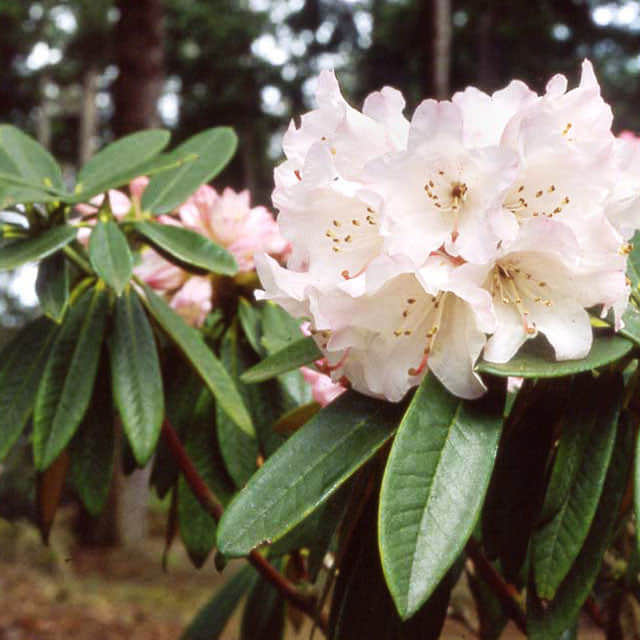
Rhododendron princeps Sudden Leaf Drop
eco Sudden Leaf Drop

Rhododendron princeps – Sudden Leaf Drop

Why does your Rhododendron princeps have sudden leaf drop? Diagnose the cause and fix it with our step-by-step guide.

search Possible Causes

error

Root Rot (Phytophthora)

Overly saturated soil or poor drainage causes Phytophthora species to attack the root system of Rhododendron princeps. As roots decay, they can no longer support the foliage, leading to rapid leaf senescence and drop.

Very Common
lightbulb
How to confirm: Check if the soil is perpetually soggy and inspect the roots for a dark, slimy, or foul-smelling texture.
build How to fix it
shopping_cart Recommended Products
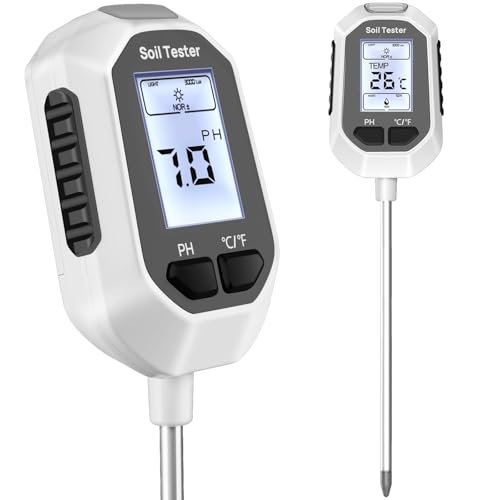
1 Immediately inspect the soil moisture levels and ensure the plant is not sitting in stagnant water; use a moisture meter to confirm the root zone is not overly saturated.
2 Repot the plant into a well-draining, airy medium specifically designed for acid-loving plants to promote oxygen to the roots.
3 Prune away any mushy, blackened, or decaying roots using sterilized tools to prevent the spread of the Phytophthora pathogen.
error

Environmental Stress (Drought/Heat)

Rhododendron princeps prefers cool, moist, and humid environments. Sudden exposure to intense heat waves or a failure in irrigation leads the plant to shed leaves to reduce transpiration and conserve moisture.

Very Common
lightbulb
How to confirm: Check if the leaf margins appear scorched or wilted before the drop occurred during a period of high temperature.
build How to fix it
shopping_cart Recommended Products
1 Immediately check the soil moisture level to ensure the root ball is not completely desiccated; use a moisture meter to detect deep dryness.
2 Apply a consistent watering schedule to maintain moist, but not waterlogged, soil, and consider using a mulch layer to retain humidity.
3 Relocate the plant to a cooler, shaded area or provide supplemental shade to protect it from intense heat waves and reduce transpiration stress.
warning

Nutrient Deficiency (Nitrogen/Iron)

In highly alkaline soils, Rhododendron princeps cannot uptake essential micronutrients like iron. While usually a slow process, severe chlorosis can eventually lead to premature leaf shedding.

Common
lightbulb
How to confirm: Observe if the leaves turned yellow while the veins remained green before the drop occurred.
build How to fix it
shopping_cart Recommended Products
1 Apply an acidifying fertilizer specifically formulated for acid-loving plants to lower soil pH and improve iron availability.
2 Monitor soil pH levels regularly to ensure the environment remains acidic enough for nutrient uptake.
3 Amend the soil with organic matter like compost or peat moss to improve nutrient retention and acidity.
warning

Root Pruning or Transplant Shock

If the plant was recently moved or if soil compaction has occurred, the delicate fine feeder roots of this species may have been damaged. This interruption in water uptake triggers an immediate defensive leaf drop.

Common
lightbulb
How to confirm: Assess if any significant repotting or heavy gardening work took place near the root zone recently.
build How to fix it
shopping_cart Recommended Products
1 Apply a liquid seaweed fertilizer to help stimulate new root development and reduce transplant stress.
2 Check the soil moisture levels to ensure the root zone is consistently moist but not waterlogged, preventing further root rot.
3 Amend the existing soil with organic perlite to improve aeration and prevent further soil compaction around the damaged roots.

Other Rhododendron princeps problems

Your plant might also be experiencing one of these issues:

local_hospital All symptoms eco All plants with sudden leaf drop
favorite