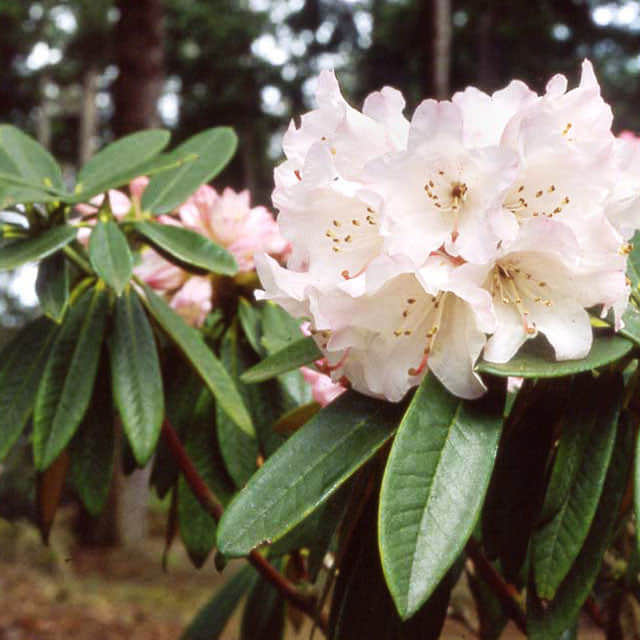
Rhododendron princeps Tiny Black Flies
eco Tiny Black Flies

Rhododendron princeps – Tiny Black Flies

Why does your Rhododendron princeps have tiny black flies? Diagnose the cause and fix it with our step-by-step guide.

search Possible Causes

error

Fungus Gnats (Sciaridae)

The presence of tiny black flies in the soil of a Rhododendron princeps is most commonly due to fungus gnats, which thrive in the consistently moist, organic-rich substrate this species requires. Their larvae feed on decaying organic matter and fine feeder roots, potentially causing root damage if populations explode.

Very Common
lightbulb
How to confirm: Place a yellow sticky trap near the base of the plant to confirm if small flying insects are being captured.
build How to fix it
shopping_cart Recommended Products
1 Deploy yellow sticky traps to capture adult flies and break the reproductive cycle.
2 Allow the top inch of soil to dry out between waterings to make the environment less hospitable for larvae.
3 Apply a biological control or organic insecticide to target the larvae in the soil.
warning

Blackberry Fruit Fly (Drosophila species)

If there is fermenting organic matter or overripe floral parts on the Rhododendron princeps, various small flies may be attracted to the site to lay eggs. While not directly attacking the plant tissue, they indicate an environment with high humidity and decaying biomass.

Common
lightbulb
How to confirm: Check the soil surface and fallen petals for signs of fermentation or visible larvae.
build How to fix it
shopping_cart Recommended Products
1 Remove all overripe, decaying floral parts and fermenting organic matter from the soil surface to eliminate breeding sites for the flies.
2 Apply an organic insecticide spray to the plant and surrounding soil to target any remaining larvae or adult flies.
3 Reduce humidity and ensure the soil surface dries out between waterings to make the environment less hospitable for fruit flies.
warning

Soil Nutrient Deficiency leading to secondary infestation

If the Rhododendron princeps is suffering from nitrogen or micronutrient deficiencies, root senescence can occur, creating a perfect breeding ground for soil-dwelling dipterans. The flies are often a symptom of a degraded root zone rather than the primary cause of plant decline.

Common
lightbulb
How to confirm: Inspect the leaves for chlorosis (yellowing) alongside the presence of flies to see if the plant is under physiological stress.
build How to fix it
shopping_cart Recommended Products
1 Apply a biological control to eliminate the adult and larval stages of the flies in the soil.
2 Address the underlying nutrient deficiency by applying an organic acid-loving fertilizer to restore root health.
3 Monitor the soil moisture levels closely to ensure the medium is not staying too damp, which attracts fungus gnats.

Other Rhododendron princeps problems

Your plant might also be experiencing one of these issues:

local_hospital All symptoms eco All plants with tiny black flies
favorite