Rhododendron simsii Tiny Black Flies
eco Tiny Black Flies

Rhododendron simsii – Tiny Black Flies

Why does your Rhododendron simsii have tiny black flies? Diagnose the cause and fix it with our step-by-step guide.

search Possible Causes

error

Fungus Gnats

The larvae of fungus gnats feed on organic matter and fungal mycelia in moist soil, while adults are attracted to the high humidity levels preferred by Rhododendron simsii. Their presence is a strong indicator that the potting medium is staying too wet for too long.

Very Common
lightbulb
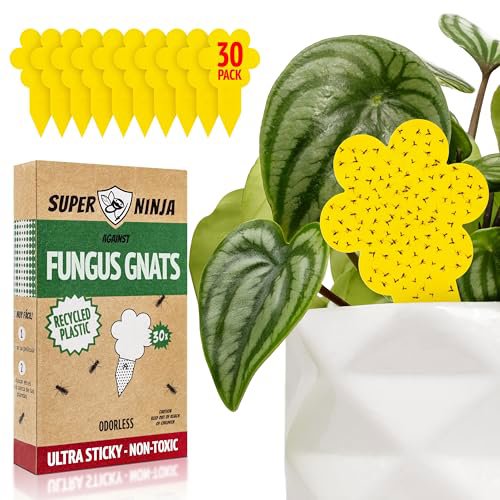
How to confirm: Set up a yellow sticky trap near the base of the plant to confirm if small, dark-winged insects are being captured.
build How to fix it
shopping_cart Recommended Products
1 Reduce watering frequency and allow the top inch of soil to dry out completely to disrupt the larvae's moist habitat.
2 Deploy yellow sticky traps to capture adult flies and prevent further egg-laying in the soil.
3 Repot the plant in a well-draining medium amended with perlite to improve aeration and prevent future moisture retention.
error

Overwatering and Soil Aeration Issues

Excessive moisture in the acidic substrate required by Indian Azaleas promotes the growth of fungi, which serves as the primary food source for fly larvae. This lack of oxygen in the root zone can lead to secondary issues like Phytophthora root rot.

Very Common
lightbulb
How to confirm: Insert your finger two inches into the soil; if it feels saturated or muddy, reduce your watering frequency immediately.
build How to fix it
shopping_cart Recommended Products
1 Reduce watering frequency and allow the top inch of soil to dry out completely before watering again to disrupt the fungus gnat life cycle.
2 Improve soil aeration by incorporating perlite into the substrate to prevent waterlogging and promote oxygen flow to the roots.
3 Apply yellow sticky traps near the soil surface to capture adult flies and prevent further breeding.
warning

Saprophytic Decay of Organic Matter

As old peat moss or bark in the azalea mix decomposes, it creates a nutrient-rich environment for decomposer insects. The tiny black flies may simply be attracted to the breakdown of organic components within the container.

Common
lightbulb
How to confirm: Check if the potting soil has become compacted or looks like fine, dark silt, which indicates advanced decomposition.
build How to fix it
shopping_cart Recommended Products
1 Apply an organic insecticide to eliminate the adult flies and larvae by targeting the organic matter where they breed.
2 Repot the Rhododendron in fresh, well-draining substrate to remove the decaying organic matter attracting the pests.
3 Use yellow sticky traps to capture adult flies and monitor the infestation levels.

Other Rhododendron simsii problems

Your plant might also be experiencing one of these issues:

local_hospital All symptoms eco All plants with tiny black flies
favorite