Rhododendron tomentosum Drooping Leaves
eco Drooping Leaves

Rhododendron tomentosum – Drooping Leaves

Why does your Rhododendron tomentosum have drooping leaves? Diagnose the cause and fix it with our step-by-step guide.

search Possible Causes

error

Water Stress (Drought or Dehydration)

As a plant native to peatlands and bogs, Rhododendron tomentosum requires consistent moisture; drying out leads to immediate loss of turgor pressure in the leaves.

Very Common
lightbulb
How to confirm: Check the substrate moisture level; if it is bone dry to the touch, the plant is likely dehydrated.
build How to fix it
shopping_cart Recommended Products
1 Immediately check the soil moisture level using a probe to determine the depth of dehydration.
2 Apply a deep, slow watering to the base of the plant to restore turgor pressure, ensuring the soil remains consistently moist like a bog environment.
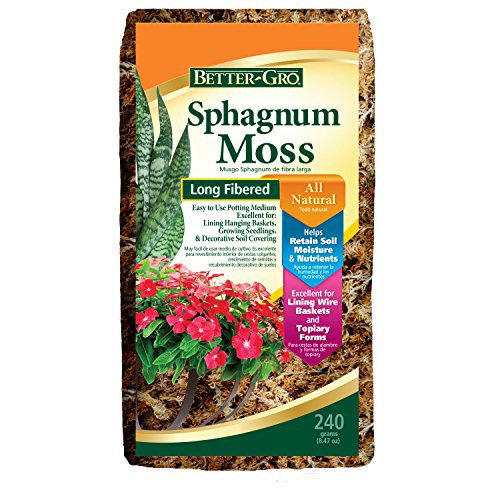
3 Apply a layer of sphagnum moss around the base of the plant to help retain moisture and mimic its natural peatland habitat.
error

Root Hypoxia (Overwatering/Soil Saturation)

While this species loves moisture, stagnant water without oxygen prevents root respiration, leading to root rot and a symptom of drooping that mimics drought.

Very Common
lightbulb
How to confirm: Inspect the roots for any sign of dark, mushy decay or an unpleasant odor from the soil.
build How to fix it
shopping_cart Recommended Products
1 Immediately check the soil moisture level using a meter to confirm if the substrate is waterlogged.
2 Repot the plant in a well-draining, airy medium by mixing in horticultural perlite to improve oxygenation and prevent future root hypoxia.
3 Ensure the plant is in a container with excellent drainage and avoid letting water sit in the saucer.
warning

Temperature Fluctuations (Heat Stress)

This is a subarctic/boreal species; exposure to high temperatures or lack of cool night periods can cause metabolic stress and wilting.

Common
lightbulb
How to confirm: Monitor if the drooping occurs specifically during peak daylight hours in warm environments.
build How to fix it
shopping_cart Recommended Products
1 Relocate the plant to a cooler, shaded area or a space with consistent temperatures to mimic its native subarctic environment and reduce metabolic stress.
2 Apply a liquid seaweed fertilizer to help the plant recover from environmental stress and boost resilience against temperature changes.
3 Monitor soil moisture closely using a moisture meter to ensure the plant remains hydrated without becoming waterlogged during heat periods.
warning

Nutrient Deficiency (Iron Chlorosis)

In high pH (alkaline) soils, this acid-loving plant cannot uptake iron, which can eventually lead to weakened stems and drooping foliage.

Common
lightbulb
How to confirm: Look for yellowing between the veins of the leaves (interveinal chlorosis) alongside the drooping.
build How to fix it
shopping_cart Recommended Products
1 Lower the soil pH by applying a specialized acid-loving fertilizer to ensure iron availability.
2 Monitor soil acidity and moisture levels regularly to prevent the soil from becoming too alkaline or dry.
3 Ensure the plant is in well-draining, acidic soil, potentially amending with organic matter like sphagnum moss.

Other Rhododendron tomentosum problems

Your plant might also be experiencing one of these issues:

local_hospital All symptoms eco All plants with drooping leaves
favorite