Rhododendron tomentosum Sudden Leaf Drop
eco Sudden Leaf Drop

Rhododendron tomentosum – Sudden Leaf Drop

Why does your Rhododendron tomentosum have sudden leaf drop? Diagnose the cause and fix it with our step-by-step guide.

search Possible Causes

error

Environmental Stress (Frost or Temperature Fluctuations)

As a subarctic/boreal species, sudden leaf drop in Rhododendron tomentosum is often a defense mechanism against rapid temperature shifts or late-spring frosts that damage the tender foliage.

Very Common
lightbulb
How to confirm: Check if there was a recent period of freezing temperatures or a sudden heatwave following a cold snap.
build How to fix it
shopping_cart Recommended Products
1 Move the plant to a sheltered, stable environment to protect it from further temperature fluctuations and frost.
2 Apply a liquid seaweed fertilizer to help the plant recover from physiological stress and boost nutrient uptake.
3 Mulch the base of the plant with organic matter to insulate the root zone against temperature swings.
error

Root Hypoxia due to Waterlogging

While this species prefers moist conditions, heavy clay soils or poor drainage lead to anaerobic conditions that cause rapid root death and subsequent leaf abscission.

Very Common
lightbulb
How to confirm: Inspect the soil depth around the root zone; if it remains saturated and smells sour/musty, drainage is the issue.
build How to fix it
shopping_cart Recommended Products
1 Immediately improve soil drainage by mixing in coarse horticultural perlite to increase aeration and prevent further root suffocation.
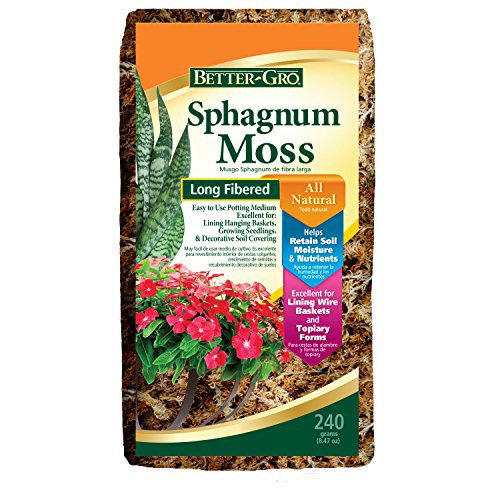
2 Repot the plant into a more porous medium, such as a blend containing organic orchid bark or sphagnum moss, to ensure oxygen reaches the root zone.
3 Monitor soil moisture levels closely with an analog meter to ensure the substrate remains moist but never waterlogged.
warning

Phytophthora Root Rot

Oomycete pathogens like Phytophthora can attack the fine feeder roots of Labrador Tea, particularly in high-moisture environments, leading to a systemic failure and sudden defoliation.

Common
lightbulb
How to confirm: Examine the base of the stems for dark, water-soaked lesions or mushy root tissue.
build How to fix it
shopping_cart Recommended Products
1 Immediately inspect the root system for mushy, dark, or foul-smelling roots and prune away any decayed tissue using sterilized tools.
2 Repot the plant in a highly aerated, well-draining medium to reduce moisture around the root zone and prevent further pathogen spread.
3 Monitor soil moisture levels closely with a meter to ensure the substrate is not staying waterlogged, which facilitates Phytophthora growth.
warning

Drought Stress

Despite being a moisture-loving plant, extreme desiccation in well-draining sandy soils can cause the plant to shed leaves to reduce transpiration surface area.

Common
lightbulb
How to confirm: Check if the substrate has become bone-dry and if the remaining leaves appear shriveled or brittle.
build How to fix it
shopping_cart Recommended Products
1 Immediately check the soil moisture level using a probe to determine the depth of desiccation.
2 Apply a deep, thorough watering to the root zone to rehydrate the plant, ensuring the soil remains consistently moist but not waterlogged.
3 Mulch the base of the plant with sphagnum moss to help retain moisture and regulate soil temperature.

Other Rhododendron tomentosum problems

Your plant might also be experiencing one of these issues:

local_hospital All symptoms eco All plants with sudden leaf drop
favorite