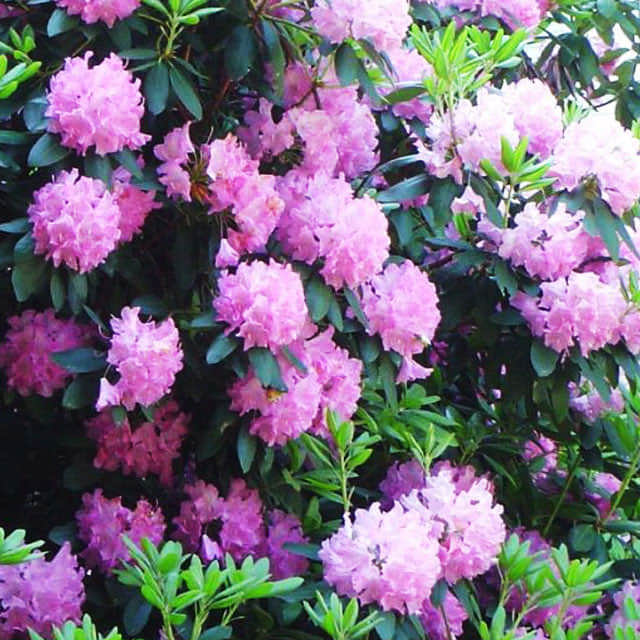
Rhododendron uvarifolium Drooping Leaves
eco Drooping Leaves

Rhododendron uvarifolium – Drooping Leaves

Why does your Rhododendron uvarifolium have drooping leaves? Diagnose the cause and fix it with our step-by-step guide.

search Possible Causes

error

Water Stress (Drought)

As an ericaceous plant with shallow root systems, R. uvarifolium is highly sensitive to moisture fluctuations. When the soil dries out too much, the plant loses turgor pressure, causing the characteristic limp, drooping foliage.

Very Common
lightbulb
How to confirm: Check the top inch of soil; if it is bone dry and the leaves feel thin/papery, the plant needs immediate deep watering.
build How to fix it
shopping_cart Recommended Products
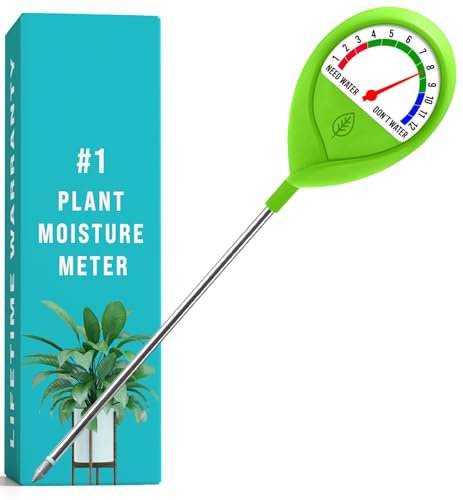
1 Immediately check the soil moisture level at the root zone to confirm the extent of the drought.
2 Deeply water the plant to ensure the shallow root system is fully hydrated, ensuring the water reaches the bottom of the pot.
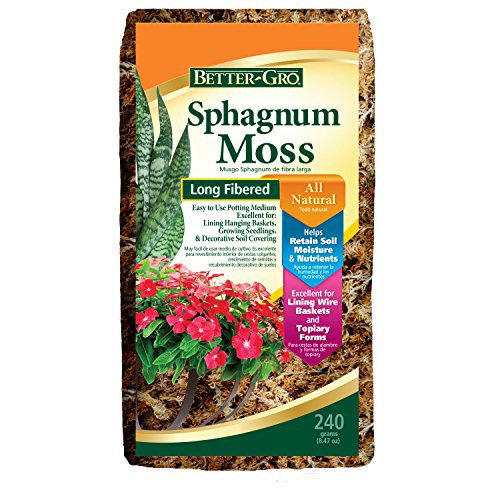
3 Apply a layer of organic mulch or sphagnum moss around the base to help retain moisture and prevent future drying.
error

Root Rot (Phytophthora)

Excessive moisture or poor drainage in acidic soils can lead to fungal pathogens attacking the roots. This prevents the plant from transporting water to the leaves, resulting in drooping that mimics drought.

Very Common
lightbulb
How to confirm: Gently lift the edge of the soil to see if the roots are dark, slimy, or foul-smelling rather than firm and white.
build How to fix it
shopping_cart Recommended Products
1 Immediately reduce watering frequency and ensure the plant is in a well-draining environment to stop the spread of Phytophthora.
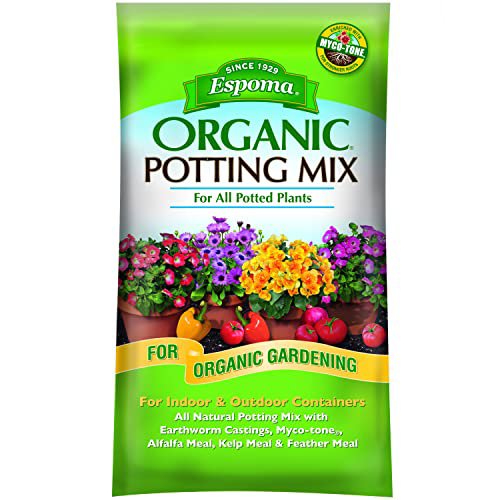
2 Repot the plant in a highly aerated, acidic medium and consider adding perlite to improve drainage and prevent future waterlogging.
3 Apply a fungicide treatment to protect the remaining healthy root tissue from further fungal attack.
warning

Root Bound / Container Constriction

If planted in a pot, R. uvarifolium's root system may have exhausted the available medium. Once roots circle the container, they cannot effectively absorb water or nutrients to support leaf uprightness.

Common
lightbulb
How to confirm: Check if roots are emerging from drainage holes or if the plant feels heavy and dense in its pot.
build How to fix it
shopping_cart Recommended Products
1 Repot the Rhododendron into a larger container to provide space for root expansion and prevent further circling.
2 Use a fresh, well-draining potting medium enriched with organic matter to ensure the new root system can access nutrients.
3 Gently loosen the circling roots during repotting and ensure the new pot has excellent drainage to prevent root rot.
warning

Nutrient Deficiency (Iron Chlorosis)

While primarily causing yellowing, severe iron deficiency in acidic-loving rhododendrons can weaken cellular structure. This lack of metabolic strength can lead to a loss of leaf rigidity and drooping.

Common
lightbulb
How to confirm: Inspect the leaves for yellowing between the veins (interveinal chlorosis) while the veins remain dark green.
build How to fix it
shopping_cart Recommended Products
1 Apply an acid-loving plant fertilizer to restore essential micronutrients and stabilize soil pH.
2 Check the soil pH and moisture levels using a meter to ensure the roots can effectively absorb iron.
3 Mulch the base of the plant with organic matter to help maintain the acidic environment rhododendrons require.

Other Rhododendron uvarifolium problems

Your plant might also be experiencing one of these issues:

local_hospital All symptoms eco All plants with drooping leaves
favorite