Rhododendron uvarifolium Sudden Leaf Drop
eco Sudden Leaf Drop

Rhododendron uvarifolium – Sudden Leaf Drop

Why does your Rhododendron uvarifolium have sudden leaf drop? Diagnose the cause and fix it with our step-by-step guide.

search Possible Causes

error

Water Stress (Drought or Waterlogging)

Rhododendrons have shallow, fibrous root systems that are highly sensitive to moisture fluctuations. Sudden leaf drop occurs when the plant enters survival mode due to either extreme soil desiccation or anaerobic conditions caused by heavy saturation.

Very Common
lightbulb
How to confirm: Check the soil moisture 2 inches below the surface; it should feel consistently moist but never saturated.
build How to fix it
shopping_cart Recommended Products
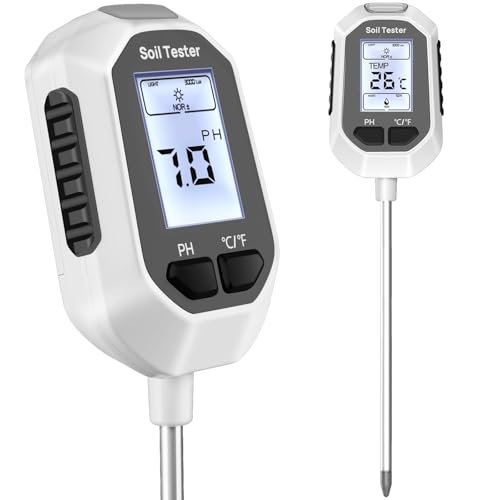
1 Check the soil moisture level immediately using a moisture meter to determine if the roots are bone-dry or sitting in stagnant water.
2 If the soil is waterlogged, ensure the pot has excellent drainage or repot into a well-aerated medium like Espoma Organic Potting Soil Mix to prevent root rot.
3 If the soil is extremely dry, apply a deep, slow watering to the root zone, ensuring the moisture reaches the shallow, fibrous root system.
error

Phytophthora Root Rot

Oomycetes like Phytophthora are common in Ericaceous plants when soil drainage is poor. The pathogen attacks the fine feeder roots of R. uvarifolium, leading to a rapid inability to transport water and subsequent leaf abscission.

Very Common
lightbulb
How to confirm: Examine the base of the stems for dark, water-soaked lesions or mushy root tissue.
build How to fix it
shopping_cart Recommended Products
1 Immediately improve soil drainage by repotting the plant in a highly aerated, acidic medium and ensure the pot has adequate drainage holes.
2 Prune away any mushy, darkened, or dead roots using sterilized shears to prevent the spread of the pathogen.
3 Monitor soil moisture levels closely with a meter to ensure the substrate is not staying waterlogged, which facilitates Phytophthora growth.
warning

Temperature Shock (Frost or Heat)

As an understory species, R. uvarifolium is sensitive to sudden environmental shifts. Rapidly rising temperatures can cause transpiration to exceed root uptake, while late spring frosts can damage new buds and foliage, triggering leaf drop.

Common
lightbulb
How to confirm: Review recent weather logs for any temperature spikes or frost events following bud break.
build How to fix it
shopping_cart Recommended Products
1 Protect the plant from further temperature extremes by applying a thick layer of organic mulch around the base to insulate the root zone.
2 Monitor soil moisture levels closely to ensure the roots are not drying out during heat waves or staying waterlogged during frost periods.
3 If the plant is in a container, move it to a sheltered location with stable temperatures to mitigate further environmental stress.
warning

Nutrient Deficiency (Nitrogen or Magnesium)

In highly acidic soils, if the pH shifts too high, essential micronutrients become unavailable. A lack of mobile nutrients often manifests as rapid leaf senescence and drop to conserve energy for the main stem.

Common
lightbulb
How to confirm: Check if the leaves turning yellow (chlorosis) before falling, particularly between the veins.
build How to fix it
shopping_cart Recommended Products
1 Test your soil pH immediately to ensure it remains in the acidic range (4.5–5.5) required for Rhododendrons to absorb nutrients.
2 Apply a specialized acid-loving fertilizer to replenish essential nutrients like nitrogen and magnesium.
3 Mulch the base of the plant with organic matter to help stabilize soil acidity and moisture levels.

Other Rhododendron uvarifolium problems

Your plant might also be experiencing one of these issues:

local_hospital All symptoms eco All plants with sudden leaf drop
favorite