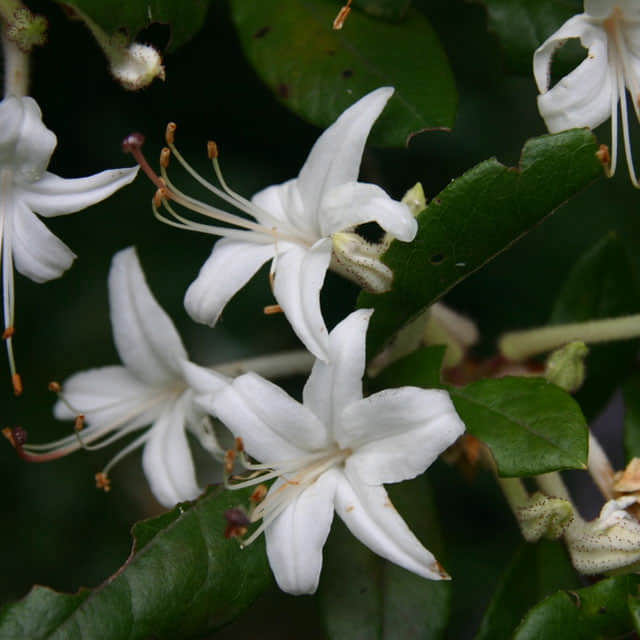
Rhododendron viscosum Sudden Leaf Drop
eco Sudden Leaf Drop

Rhododendron viscosum – Sudden Leaf Drop

Why does your Rhododendron viscosum have sudden leaf drop? Diagnose the cause and fix it with our step-by-step guide.

search Possible Causes

error

Water Stress (Drought or Waterlogging)

As a 'swamp' azalea, Rhododendron viscosum requires consistent moisture; sudden drop occurs if soil dries out completely or if the roots are suffocated by standing water. Rapid changes in soil moisture levels trigger an emergency physiological response to conserve resources.

Very Common
lightbulb
How to confirm: Check the soil moisture 2 inches below the surface and inspect for standing water or extremely cracked earth.
build How to fix it
shopping_cart Recommended Products
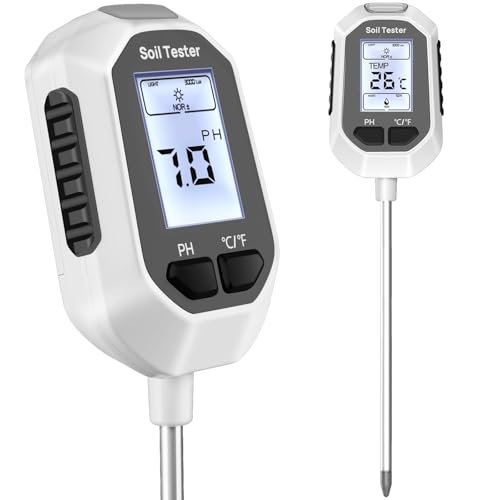
1 Check the soil moisture level immediately using a moisture meter to determine if the plant is suffering from drought or waterlogging.
2 If the soil is bone dry, provide a deep, slow watering to rehydrate the root ball; if the soil is saturated, ensure the pot has proper drainage or move it to a less wet area to prevent root rot.
3 Amend the existing soil with perlite to improve aeration and drainage, preventing future waterlogging and root suffocation.
error

Root Rot (Phytophthora)

Excessive moisture in heavy, poorly drained soils can lead to fungal pathogens like Phytophthora. This destroys the root system's ability to transport water, causing the leaves to drop as the plant enters a state of drought-like stress despite wet soil.

Very Common
lightbulb
How to confirm: Gently lift a small section of the root ball to see if the roots are dark brown and slimy rather than firm and white/tan.
build How to fix it
shopping_cart Recommended Products
1 Immediately reduce watering frequency and ensure the plant is in a well-draining environment to stop further root decay.
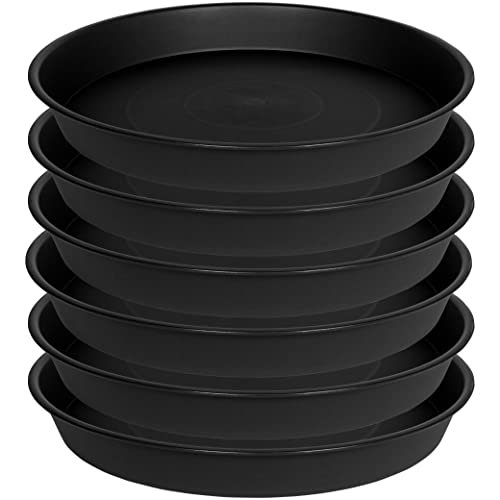
2 Repot the plant into a highly aerated, well-draining medium by mixing in horticultural perlite to prevent future waterlogging.
3 Apply a fungicide treatment to combat the Phytophthora pathogen and protect the remaining healthy root tissue.
warning

Temperature Shock

Sudden exposure to unseasonable frost or an extreme heatwave can cause R. viscosum to shed foliage to protect its core. Rapid temperature fluctuations disrupt the plant's metabolic processes and cell stability.

Common
lightbulb
How to confirm: Review local weather records for any sudden temperature drops below freezing or spikes above 90°F (32°C) in recent days.
build How to fix it
shopping_cart Recommended Products
1 Relocate the plant to a stable environment with consistent temperatures to prevent further metabolic disruption.
2 Apply a mulch layer around the base of the plant to insulate the root zone against future temperature fluctuations.
3 Monitor soil moisture closely to ensure the plant remains hydrated during the recovery period without overwatering.
warning

Nutrient Deficiency (Nitrogen/Iron)

If the soil pH rises too high, Rhododendron species cannot absorb essential micronutrients like iron. While usually a gradual process, severe deficiency can lead to chlorosis and eventual premature leaf senescence.

Common
lightbulb
How to confirm: Observe if the leaves turned yellow with green veins (interveinal chlorosis) before they fell off.
build How to fix it
shopping_cart Recommended Products
1 Test your soil pH to ensure it remains in the acidic range (4.5 to 6.0) required for Rhododendrons to absorb iron and nitrogen.
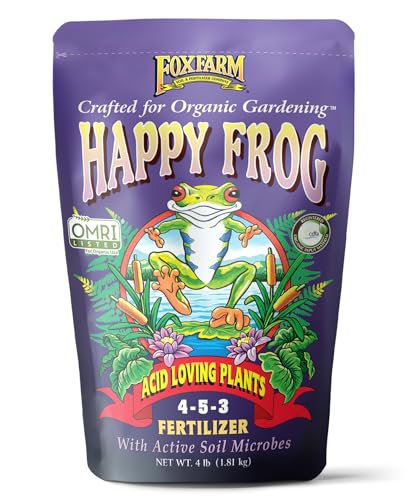
2 Apply an acid-loving plant fertilizer to replenish essential nutrients and help lower soil pH.
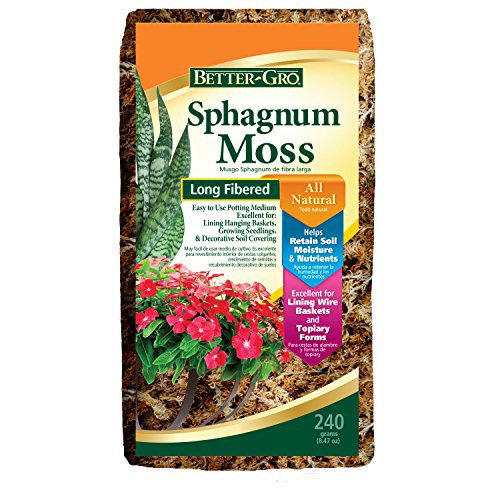
3 Mulch the base of the plant with organic matter like sphagnum moss to help retain moisture and maintain acidity.

Other Rhododendron viscosum problems

Your plant might also be experiencing one of these issues:

local_hospital All symptoms eco All plants with sudden leaf drop
favorite